
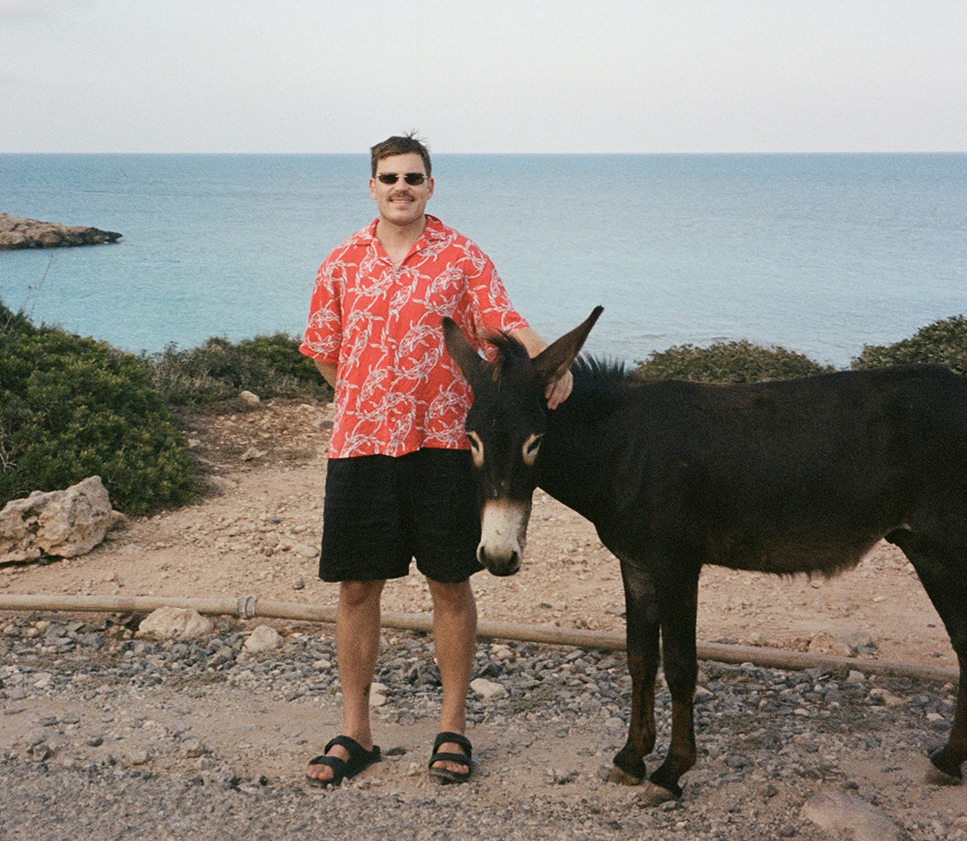
German expat film photographer takes a nostalgic journey across the island, and captures its many sides
Using analog film photography to build a nostalgic, intimate archive of Cyprus – chasing colours, light and forgotten corners of the island one frame at a time – German photographer Benedikt van Lengerich is turning what started as a personal passion into a visual guide for others to discover, or rediscover, the place he now calls home.
“I’m documenting Cyprus on film,” says Benedikt, “I’ve discovered it multiple times, over and over again”.
Benedikt moved to the island in 2018, pursuing a career in Fintech. “I was in my mid 20s, right after university, I had just finished my first job in Germany and I had a friend who had moved here (Cyprus) who told me to come take a look, and I booked a one way flight.”
At the time, the local fintech industry was looking for German speakers. “Three weeks later, I had a job here, and I stayed ever since.” He’s witnessed how much Cyprus, and in particular Limassol, has changed over the past decade.
Based in Limassol and to a lesser degree Paphos, he identifies as part of an ‘older’ community of Germans who moved to the island in the 80s who predominately worked in shipping. “Now you have a different influx of entrepreneurs, online and e-commerce business owners, a completely different community.” Born in Cologne, Benedikt moved around with his father’s business and has lived in multiple countries, including Canada where he finished his school education.
Yet Cyprus is where he has lived the longest. It’s also where he has developed his passion for taking photographs and brought analogue photography to the forefront, one of the few photographers on the island to use a once upon a time default medium as a niche, intentional choice.
Even though film photography went through an approximate two-decade decline following the rise of digital cameras, it never fully disappeared, and in recent years it has seen a genuine revival, driven in part by social media platforms such as Instagram, as well as a broader nostalgia culture, as younger people and influencers rediscover its distinct look.
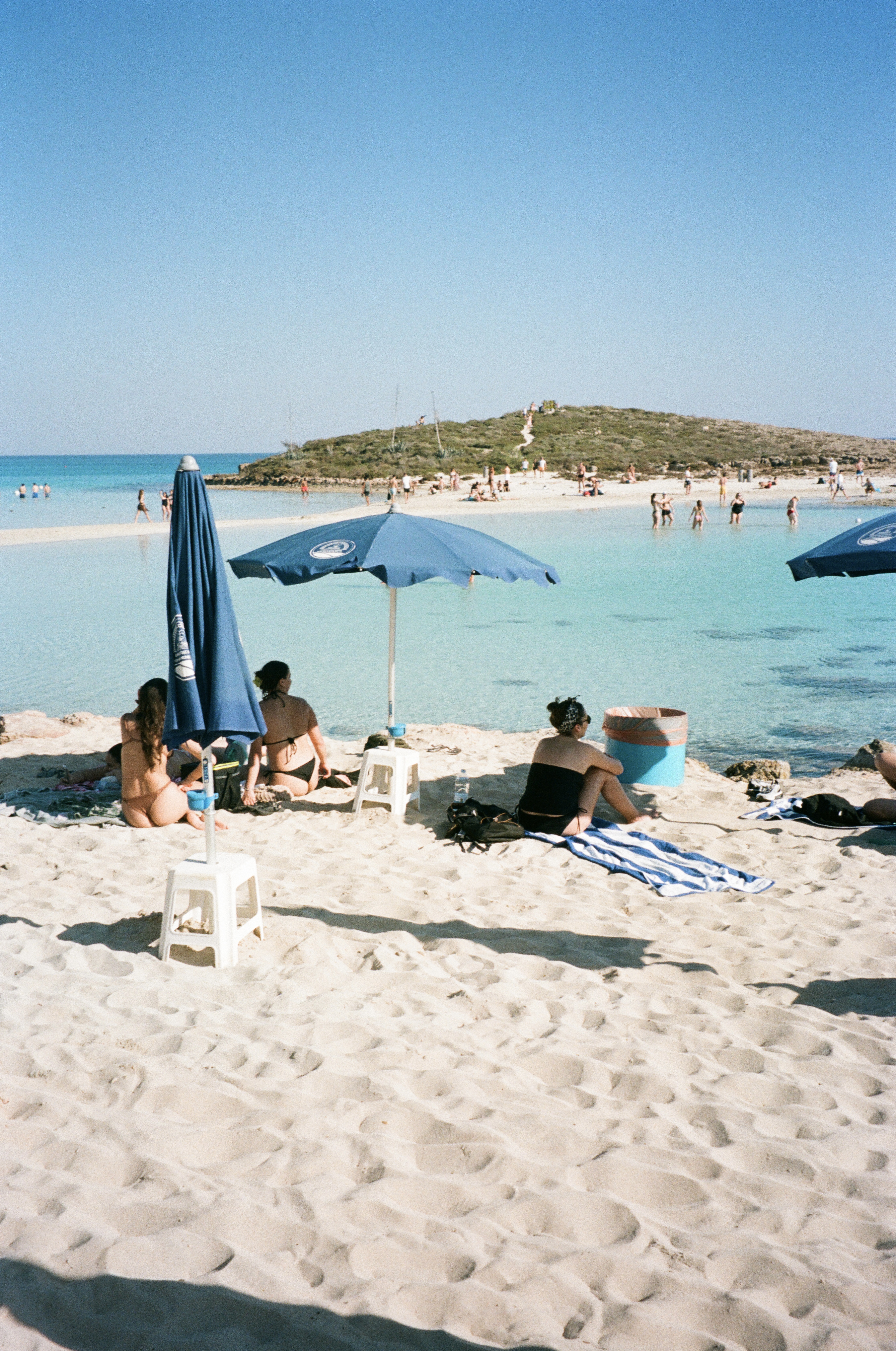
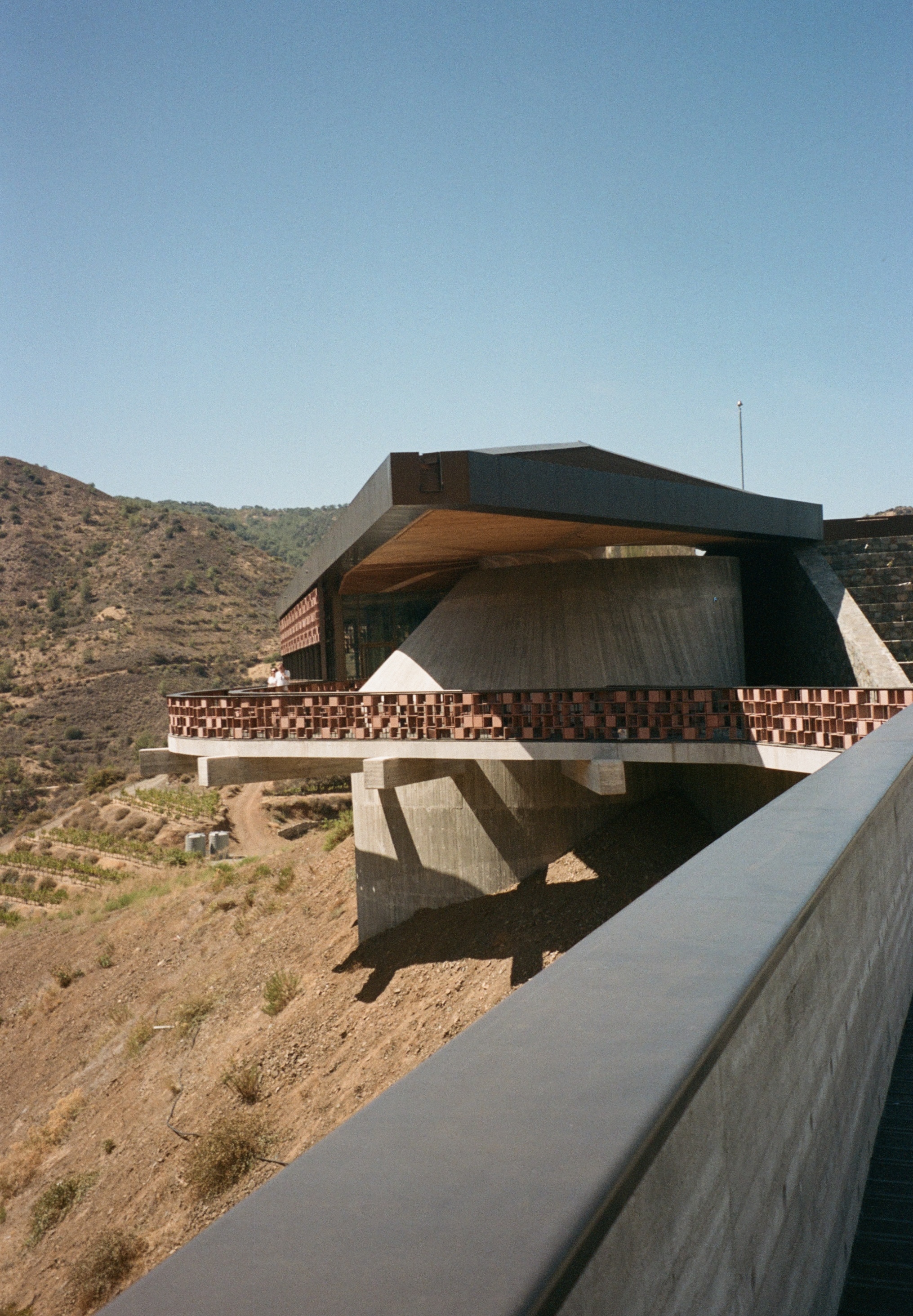
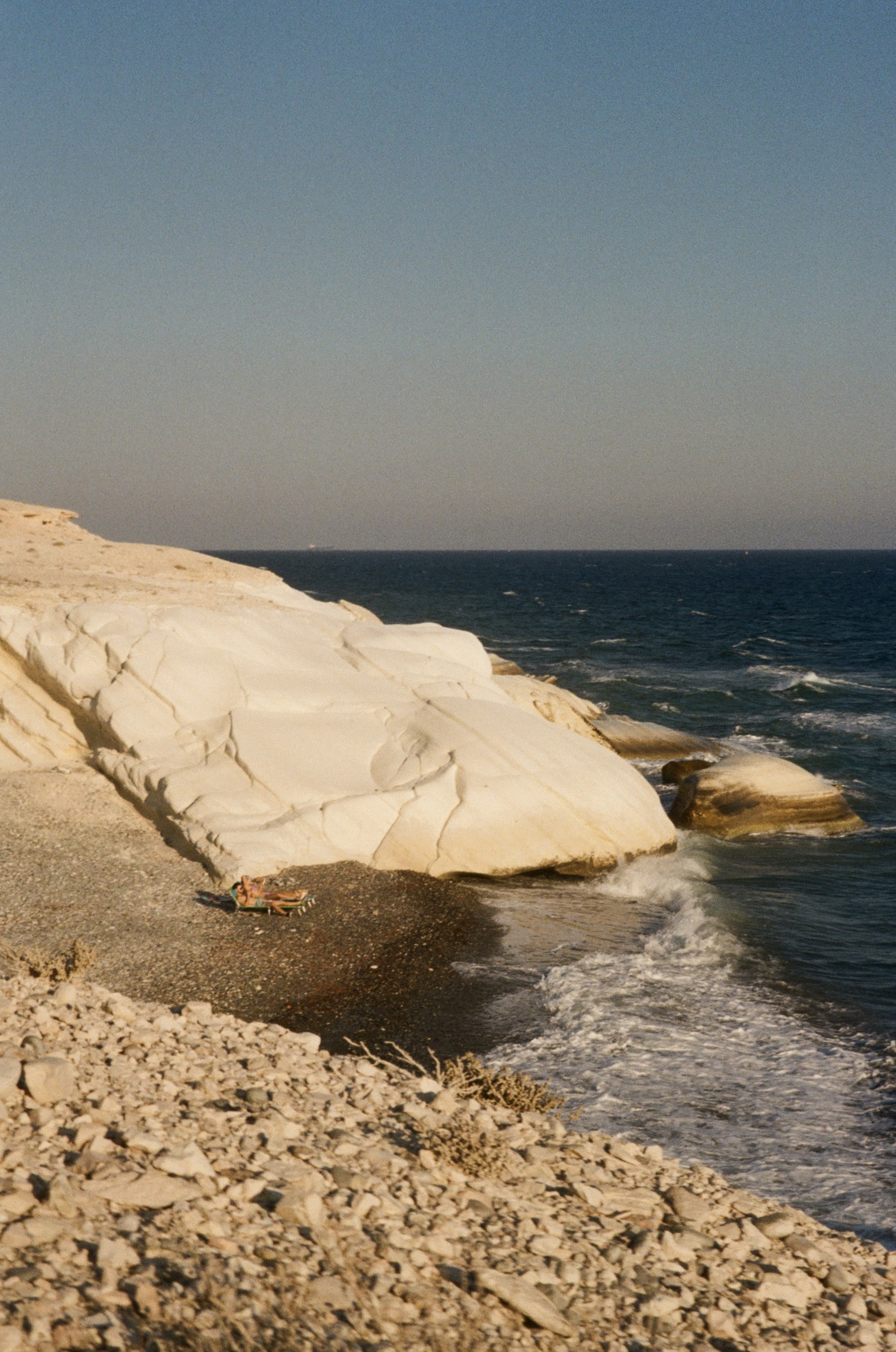
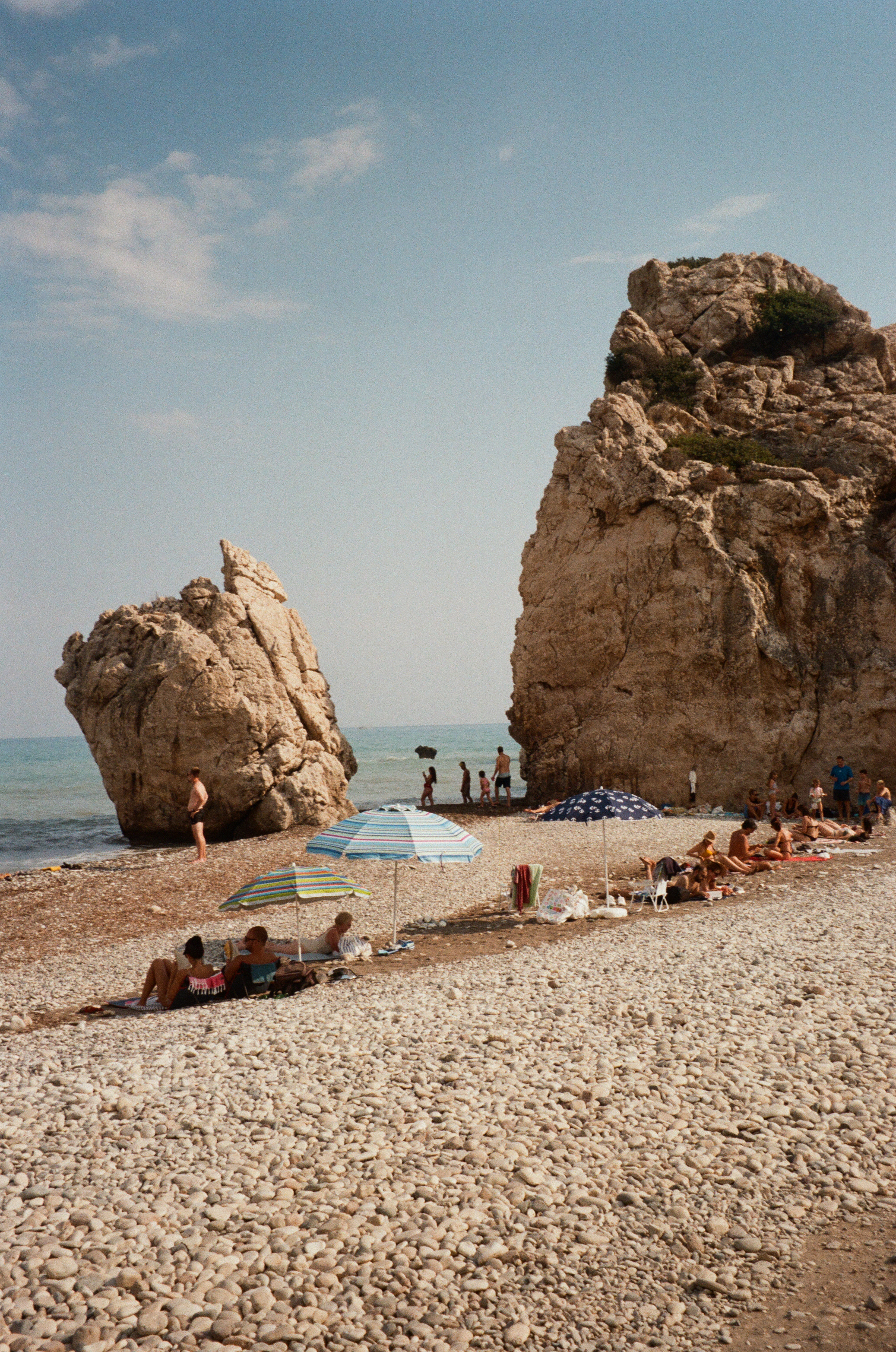
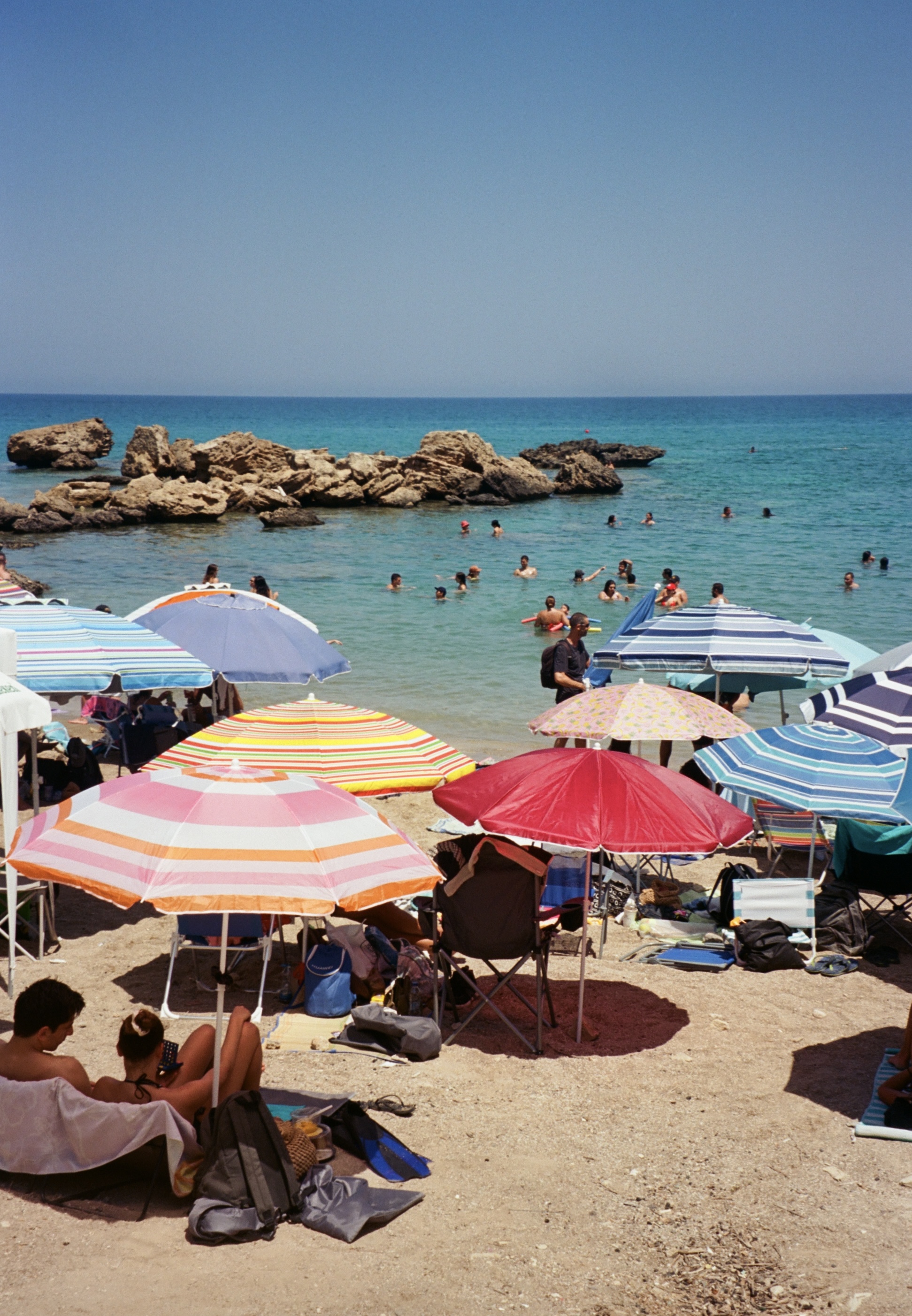
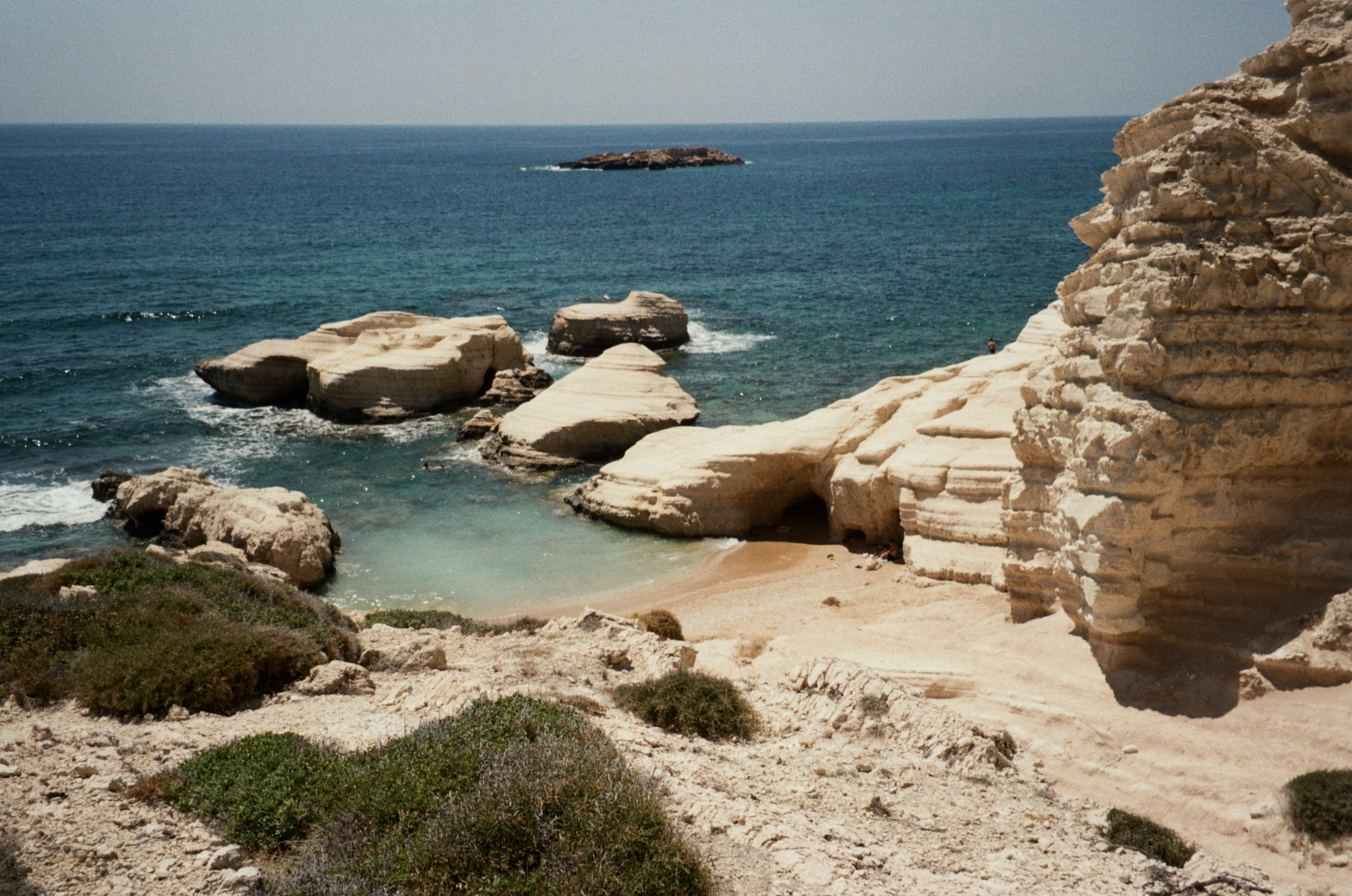
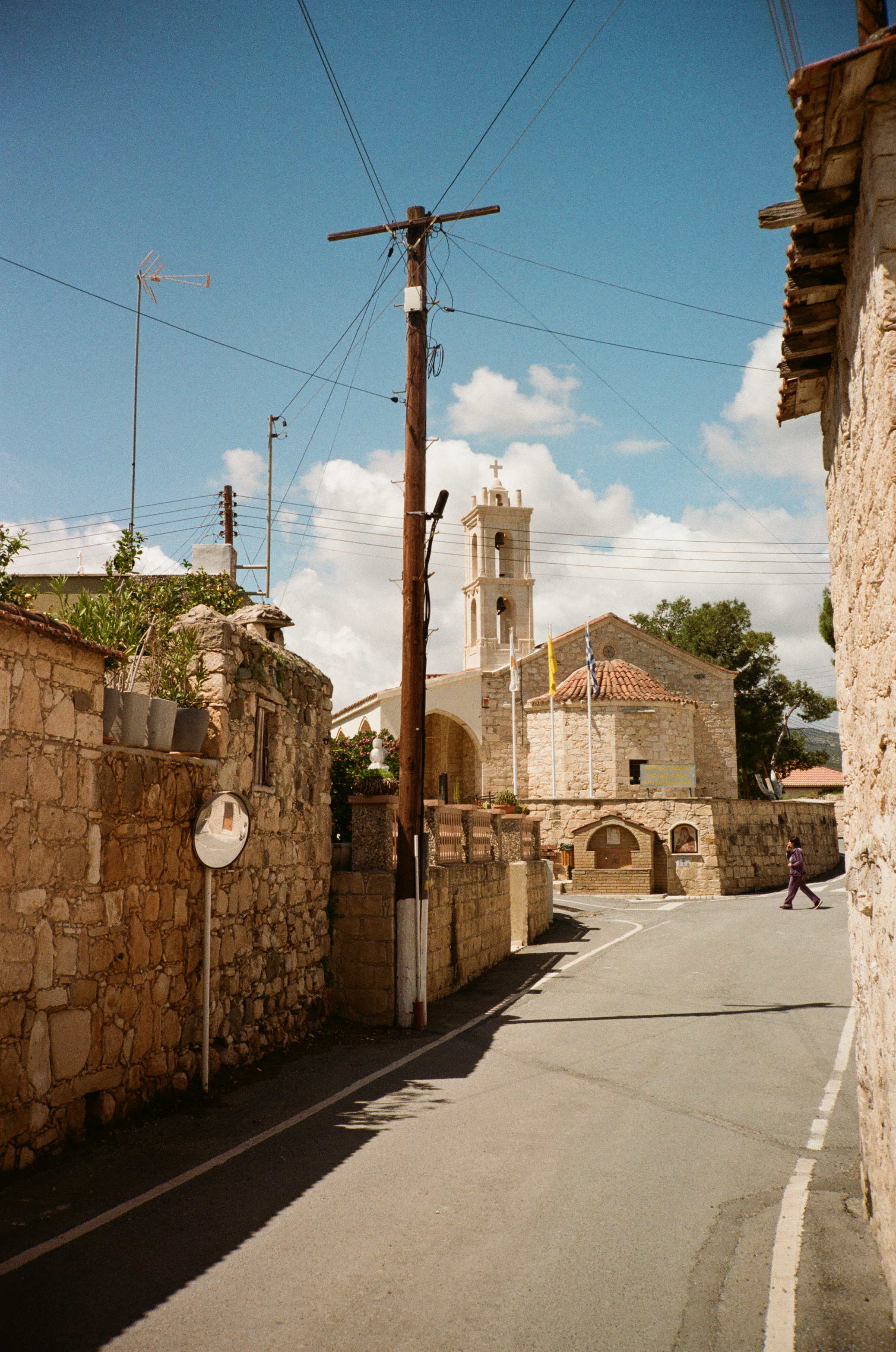
What keeps it alive isn’t just its cachet either: film offers a different lens character, colour rendering, and grain that digital cannot fully replicate, while also imposing a natural discipline, since each shot carries a real cost. As Benedikt says, it costs roughly €1 per photo once you factor in the film and development. That cost encourages more intention and presence behind the camera, rather than the snapshot, consequence-free shooting digital permits. While film is more expensive and less convenient than digital, that very impracticality is part of what now makes it feel authentic and crafted rather than outdated – much like with vinyl records in music, where digital remains dominant for convenience, but analog retains a devoted following for the texture, ritual, and connection it offers.
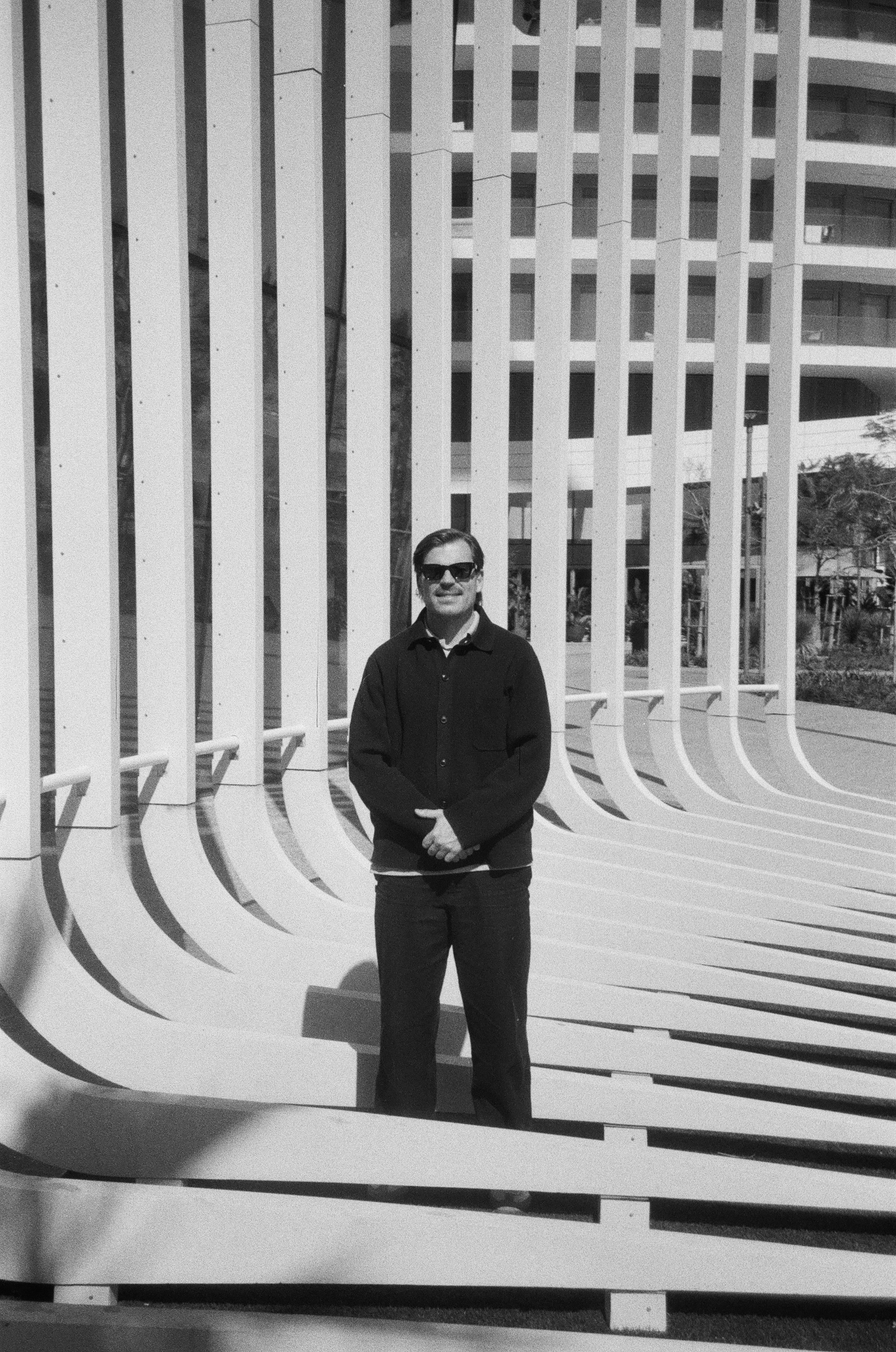
Benedikt’s photos, whether of the coastline, mountainous villages, archeological sites or the architecture of Nicosia bring about a nostalgic imagery of the island. An aesthetic that recalls a Cyprus of the 80s, a refreshing glance at the island’s beauty, one that almost needs to be revived in order to remember what really was all about. “Using film, you go through life with a different kind of awareness, because you’re always looking for a spot you think could look nice on film and you look more for colours which stand out; you want to have the contrast in the all the edges and the frames, which, maybe, with a digital camera, you would approach differently; with digital you just click away, you don’t really care.
“It’s very hard to replicate the results that you get from film photography with a digital camera; with editing you can get close to it but for multiple reasons it’s not the same: the lenses were very different on the old cameras, and they capture objects in a different way, and then you have the vividness of the colours, the contrast and the grain that you have in film images.”
And so, for the past two years, equipped with his Contax T2, which stopped being manufactured in 1999, and his favourite Kodak Gold and Kodak Portra, Benedikt has been discovering the island from behind his camera. “We’ll plan a day out, and I’ll find somewhere I’ve never been before, and I’ll shoot whatever captures my eye along the way. Cyprus has amazing colours in that regard, you have the blue sky, which always looks very crisp.”
Today, Benedikt has a huge archive of photos of places on the island. “I didn’t even realise it, because I always just took my camera and took photos, and would select the top two pictures on the film, and post them. In the last two years, I have 2,000 photos just in Cyprus. But because I was working full time, I didn’t have so much time to invest. It’s time intensive: curating the images, preparing posts.”
Using Instagram as his main platform, Benedikt regularly posts his impressions of Cyprus. “What I’ve noticed in the last six months is that people want more than just the photography, they want the context behind it as well: the names, locations. Lots of people see the image, but they don’t know where it is, and they want to go there themselves, so I started adding more locations and storytelling aspects about why I shoot film or adding calls to action and it triggers something in people to engage as well. Since I started doing that, the content has gone much more viral.
“My medium is the photography, but I want to provide more of a guide for other photographers and people coming to the island to get inspired to go out, to go to a different place, do day trips to see the mountains, different villages on the island, beaches where there’s not huge crowds. I get messages asking for recommendations.”
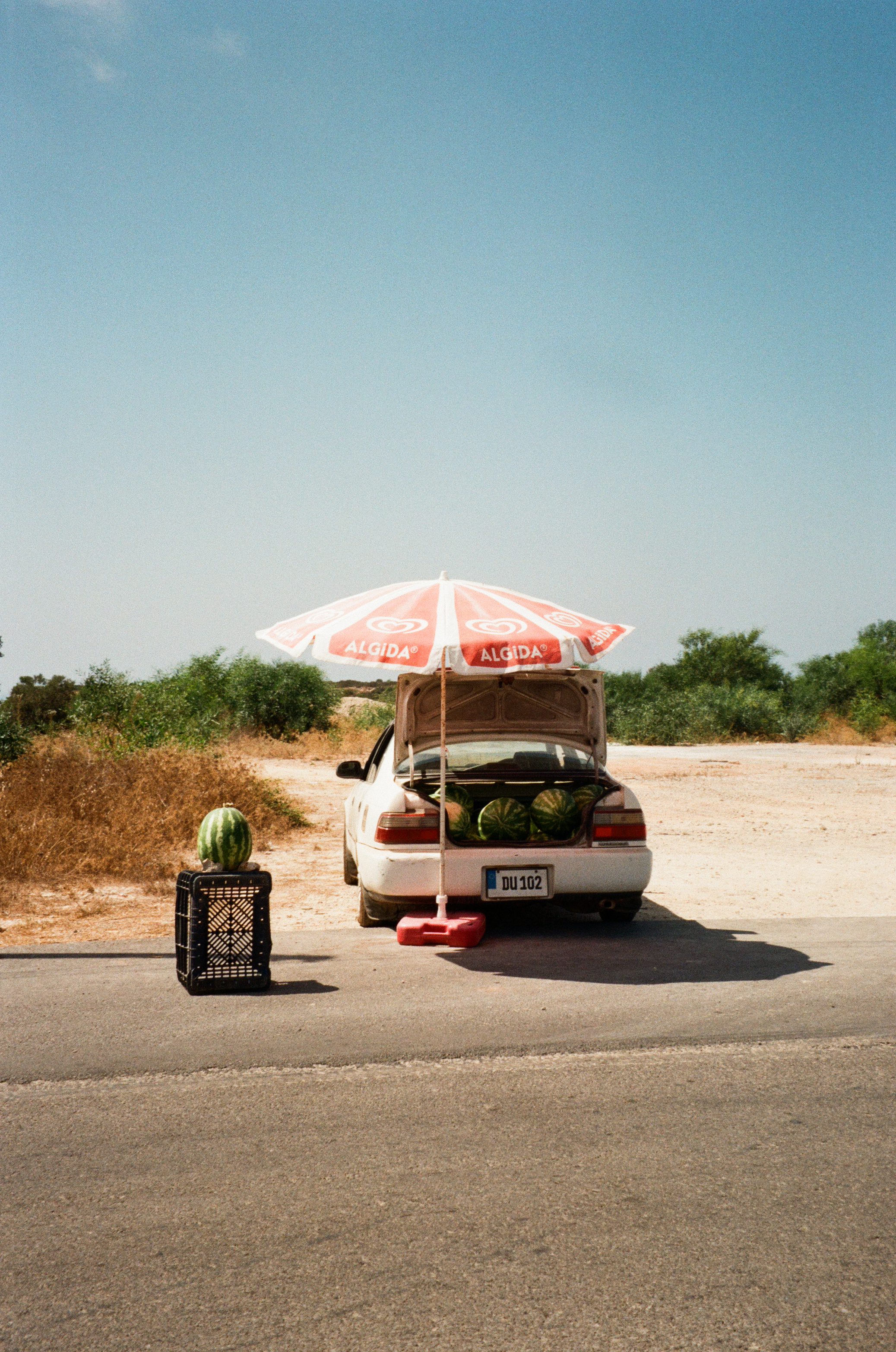
Benedikt also gets insights from locals. “I realised what a deep connection Cypriots have to Nicosia for example. Taking photos of Nicosia, my expectation was that it wasn’t going to perform, because for me Cyprus was always about beaches. When I did a series in Nicosia and its Cypriot architecture, I saw how that really resonates with Cypriots and Cypriots abroad as well.”
This is perhaps what also instigated his collaboration with the deputy ministry of tourism. “I do collaborative posts on Instagram with the ministry and share places in Cyprus with nice quotes. I’m also collaborating with some hotels who reached out to me because they like my content.”
Aware of the sensitivities of the island’s divide, Benedikt covers both sides. “My partner is Cypriot, her father is a refugee from the north, so I definitely understand the conflict and the emotional conflict. I took my girlfriend to the village where her father came from for the first time last summer, and it was a very emotional trip. Quite difficult.” Yet Benedikt appreciates the nature there too, the Karpas peninsula, Golden Beach, Kormakitis, Kyrenia.
“The island in itself is actually not so small. What I like a lot is the history. You have Greek mythology, all the ancient sites of the city kingdoms. I’ve shot Curium, I’ve shot Salamis, the Roman mosaics in Paphos, the Venetian bridges, you have Nicosia, the divided capital, the buffer zone, then you have all the monasteries, the Christian orthodox history, and then you have even super ancient settlements, it’s super interesting to dive deeper into the history of the island. I listen to interesting podcasts on the history of Cyprus… I got a lot of inspiration from that as well, the research behind it inspires me to go to the places to see for myself.”
Benedikt finds something irreplaceable in the tactile experience of film – the mechanical clicks, the feel of the camera – and underlines that, after a long time, interest in film photography has actually grown thanks to social media. His images evoke a Cyprus of yesteryear, and many mistake them for old photos; they don’t realise he doesn’t edit them but simply uses the original analog process. Tracing his inspiration to Berlin’s vibrant film photography scene, where influencers and photo-walk culture first drew him in, Benedikt openly embraces the nostalgia at the heart of his work.
Looking ahead, he’s working toward turning his work into physical products: a coffee table book, prints and eventually an exhibition. He’s also considering postcards, ideally in a format that gives the island a more modern spin – something he feels is currently missing. That aside, he still has a personal shooting list, including Kykkos Monastery, a place he’s visited before but never yet captured on film.
Find Benedikt on Instagram @benvanleng




Click here to change your cookie preferences