
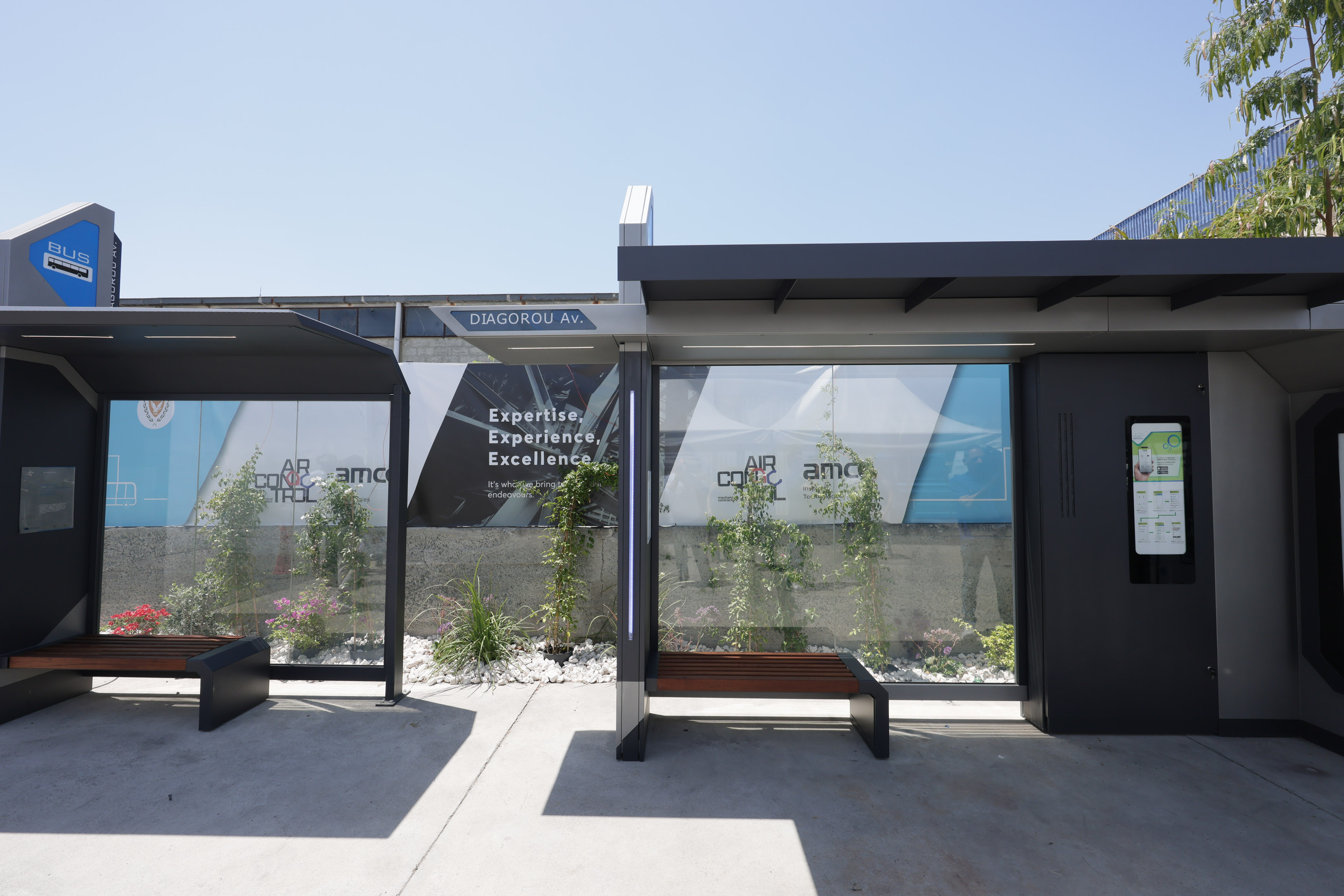
In the Fiscal Council’s 2025 report released a few days ago, there was a short but damning comment relating to the transport ministry’s 2026 budget and its planning up to 2028 vis-à-vis public transport.
It said: “The spending priority does not favour long-term solutions to worsening problems. For example, in transportation, spending continues to expand the road network, without substantial infrastructure spending or medium-term planning to strengthen public/mass transportation.”
In fact, the report alluded to the fact that the adoption and substantial expansion of public transportation was not easily identified in the spending plans.
This should come as no surprise to anyone who has no option but to use public transport. And those are the operative words here “no other option”.
Certainly, there is a case to get on a bus that travels directly from a particular neighbourhood to the town centre if that’s where a person works, but a two-hour commute with a bus change to get across town would put off any commuter even if they would actually like to use public transport.
Again, there are people who go through two-hour commutes literally because “they have no other option” not because public transport is their first choice. It could be if there were more options such as a better network or alternatives.
Take for instance the report at the end of last week about the Takata airbags replacement process. Car owners who had to immobilise their vehicle were offered a free bus pass but only 20 out of more than 10,000 eligible applicants applied for these travel cards, according to a transport ministry official. Very telling.
For all of the talk by successive governments about getting more cars off the roads, why is expanding the road network as per the Fiscal Council’s observation, more of a priority than expanding public transport? Who knows?
The latest Eurostat published last week on the state of bus transportation in the EU showed that that on average there are 1.6 buses and coaches per 1,000 in habitants across the bloc. The Cyprus figure is 3.2 per thousand buses, which might look impressive from a superficial statistical point of view.
However, most of the EU countries that hover around the 1.6 average, all have alternative means of public transport such as trams, light-rail systems or metros.
The nearest comparison to Cyprus would be Malta, which leads the EU with 4.6 per thousand buses among a population that is just over half as big as Cyprus.
To be fair, both Malta and Cyprus record large car ownership in the region of 600-700 per 1,000 but perhaps they’re just not out on the road as frequently because Malta also boasts the highest public transport usage in the EU.
Sooner or later Cyprus is going to have to get a handle on this. Even though the EU looks set to partially roll back its 2035 ban on the sale of new combustion engine vehicles, at some point in the not too distant future, public transport is going to be the only way forward.





Click here to change your cookie preferences