
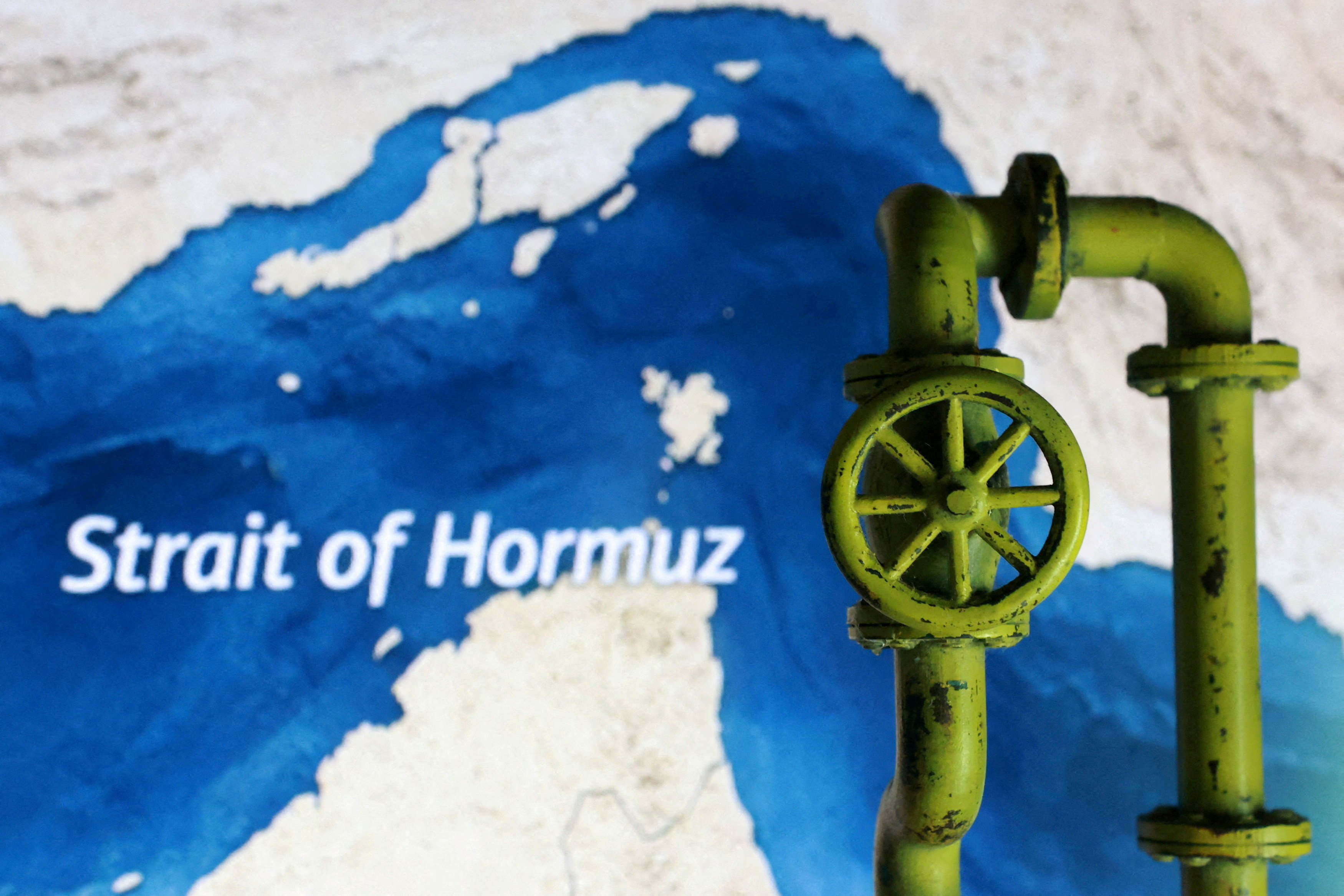
The International Monetary Fund (IMF) has warned that the global oil market is facing severe risks as crucial shock absorbers are rapidly depleting following the recent conflict in the Middle East.
Although the closure of the Strait of Hormuz cut off approximately 20 million barrels of oil and refined products daily, crude prices managed to stabilise between $90 and $100 per barrel rather than spiralling as many analysts had initially feared.
This relative stability was made possible because global supply was already running 2 million barrels a day above demand before the conflict, while countries like Saudi Arabia and the United Arab Emirates utilised alternative pipelines and ports to mitigate the shortfall.
Refined product output also suffered significantly, with diesel and jet fuel supplies hit particularly hard by the disruption in the Gulf region.
By the end of May, more than 1.1 billion barrels of crude had failed to reach the global market, a shortfall exceeding the scale of both the 1973 oil shock and the Iran-Iraq war.
A combination of demand compression in Asia, increased production from the United States, Venezuela, Guyana, and Russia, and the drawdown of commercial and strategic inventories helped the global system weather the initial blow.
However, the IMF cautions that this cushioning effect is fading as spare capacity is exhausted and global inventories continue to drop toward operational minimums.
Industry estimates indicate that even if the Strait of Hormuz were to reopen, it would take several months before oil flows returned to normal, with a risk that prolonged halts could lead to permanent output losses in underfunded wells.
The global economy is now in a much weaker position to handle further shocks than it was at the start of the conflict.
The IMF highlighted several critical lessons for leaders, noting that the ability to manoeuvre and absorb shocks has reached a breaking point.
“What cushioned the initial blow this time is that energy markets had room to manoeuvre and absorb it,” according to the IMF.
“As tensions flare again in the Strait of Hormuz, that room is now smaller and shrinking further as spare capacity has been deployed, demand has compressed, and inventories have been drawn down,” the IMF stated.
Inventories must be rebuilt urgently to prepare for future volatility, the IMF advised.
The world remains too reliant on a single chokepoint, and diversifying energy sources as well as supply routes is as important as any other policy measure to ensure long-term stability, the IMF noted.
Support for consumers should remain targeted to the most vulnerable groups and must be temporary to protect national budgets while encouraging energy efficiency, according to the IMF.
“Significant efforts are still critically needed to increase the resilience and diversification of energy supply and prevent oil shocks from destabilising the global economy,” the IMF said.





Click here to change your cookie preferences