
Cyprus authorities were caught completely unaware about the deal that saw two thirds of the shareholding in the Great Sea Interconnector (GSI), which was held by Greece’s state-owned Admie, taken over by French investment group Meridiam. Neither the energy ministry nor the energy regulator had been informed that the deal was on the cards, finding out about it on Wednesday, a few hours before the signing ceremony was scheduled to take place in Athens.
According to reports, President Nikos Christodoulides had been kept informed about what was happening by Greek Prime Minister Kyriakos Mitsotakis, presumably as a courtesy, but otherwise the Cyprus authorities had been kept in the dark. There was nothing suspicious about this, as Admie and Meridiam had entered a business agreement regarding GSI that did not require the approval of the Cyprus government, even though the project is for Cyprus’ energy security.
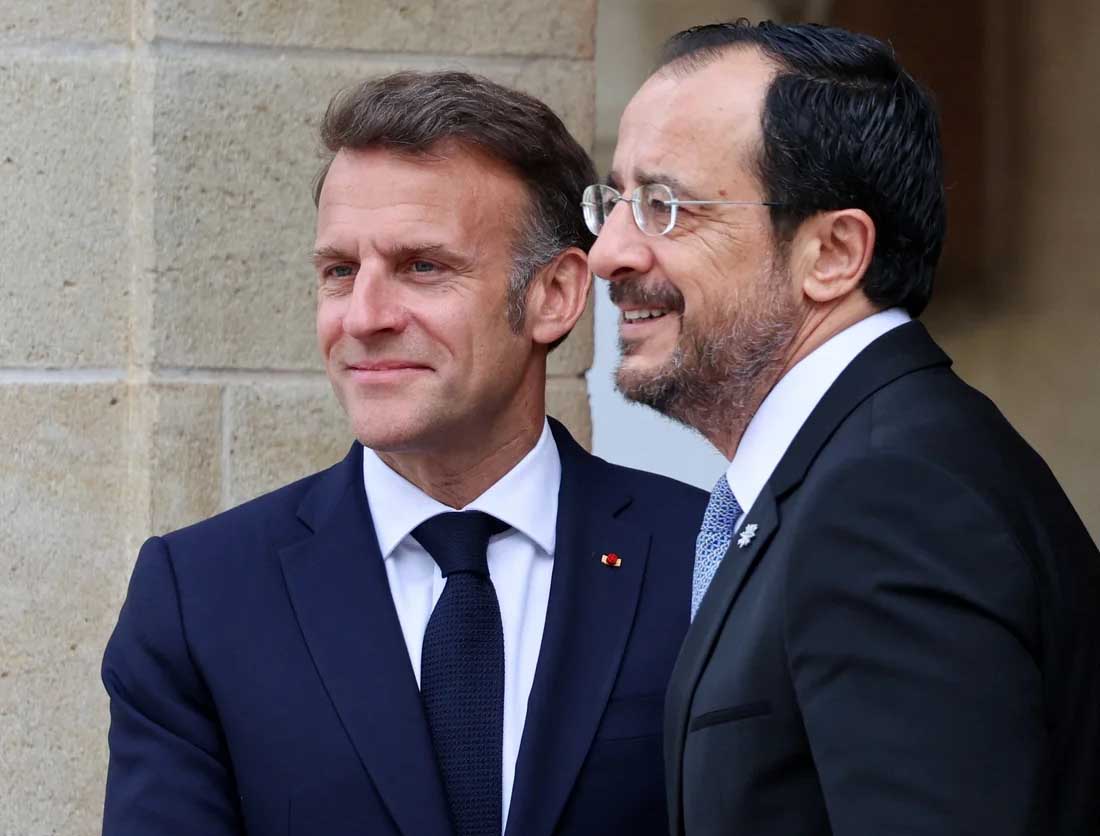
Admie will remain in charge of the project, but there is now an even bigger French stake in the project – the cables would be provided by French company Nexans. Meanwhile the shareholding of Meridiam, which specialises in big infrastructure projects, in GSI will be 66 per cent, according to news reports. The project also has the full support of French President Emmanuel Macron. At the buy-in signing ceremony, Mitsotakis said Meridiam’s investment “creates a news state of affairs for the development of the project,” which “will put an end to Cyprus energy isolation”.
The big irony is that the Cyprus government remains uncommitted to the GSI, which has the full support of France, Greece and the European Commission, which will contribute some €600 million for the project that will cost and estimated €1.9 billion. The Christodoulides government has been dragging its feet, with Finance Minister Makis Keravnos publicly opposing the project on the grounds that it was not financially viable. Former energy minister George Papanastasiou fully backed it, but he is no longer in the government.
The government has, so far, refused to commit a euro to the project, refusing to make the agreed annual payment of €25 million and demanding a new financial viability study was carried out by the European Investment Bank; this has not been completed yet. In fact, the government also fell out with the Greek government over the project, Christodoulides publicly accusing Admie, which is owned by the Greek state, of blackmailing Cyprus. In this public dispute was overcome by the two governments agreeing to commission a feasibility study.
The question is what would happen to Meridiam’s investment in GSI if the EIB study finds that the project is not financially viable? There is probably no such possibility and the EIB study, we suspect, was another delaying tactic by the Christodoulides government, which was unwilling to impose a small levy on all electricity bills to raise the €25 million it had to contribute to the project.
The good thing is that there is no turning back now. Christodoulides will not dare create problems for the implementation of the project now that it has the blessing of President Macron.




Click here to change your cookie preferences