
Israel was cleared on Thursday to enter the 2026 Eurovision Song Contest by the organiser, prompting Spain, the Netherlands, Ireland and Slovenia to withdraw over the Gaza war and plunging the competition into one of the biggest rows in its history.
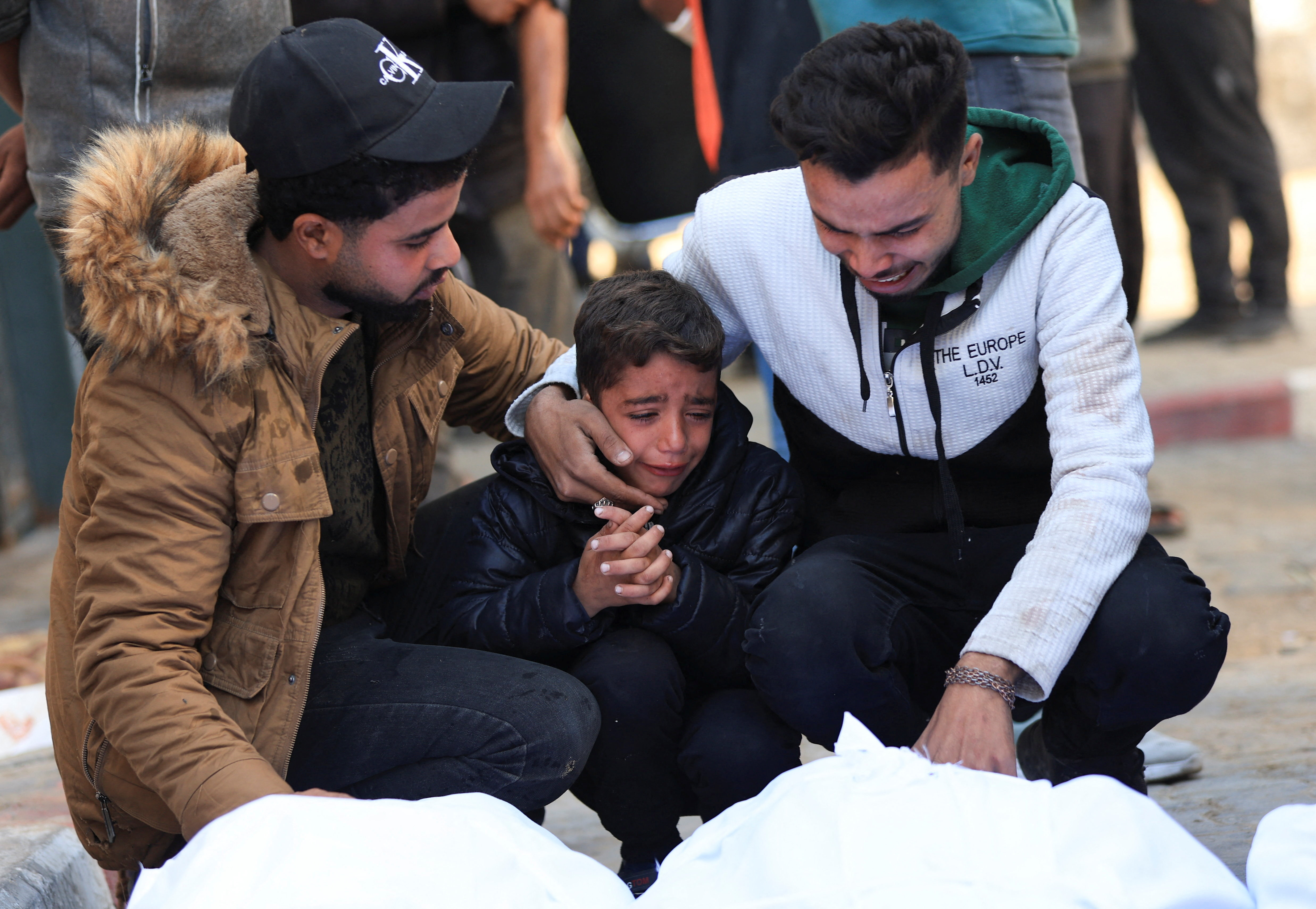
The broadcasters who had threatened to boycott the event cited the death count in Gaza and accused Israel of flouting rules meant to guard the contest’s neutrality. Israel accuses its critics of mounting a global smear campaign against it.
After a meeting in Geneva, the European Broadcasting Union decided not to call a vote on Israel’s participation, and said it had instead passed new rules aimed at discouraging governments from influencing the contest.
Right after that announcement by the contest organiser, the Dutch, Spanish and Irish broadcasters said they would withdraw from the competition, meaning singers from their countries would not compete in the contest, which draws millions of viewers worldwide.
The CEO of Israeli broadcaster KAN, Golan Yochpaz, stated during the EBU meeting that the attempt to remove Israel from the contest was a form of “cultural boycott,” according to a statement by the broadcaster.
IRELAND SAYS ITS PARTICIPATION ‘UNCONSCIONABLE’
The Eurovision Song Contest dates back to 1956 and reaches around 160 million viewers, according to the EBU – more than the almost 128 million recorded for this year’s U.S. Super Bowl, according to figures from Nielsen.
The question of Israel has sharply divided participants in the competition that has a history of entanglement in national rivalries, international issues and political voting.
Irish broadcaster RTE said it felt “Ireland’s participation remains unconscionable given the appalling loss of lives in Gaza and the humanitarian crisis there which continues to put the lives of so many civilians at risk”.
Natalija Gorscak, head of Slovenia’s national broadcaster RTV Slovenija, said her country had also withdrawn.
“We will not participate in the ESC if Israel is there. On behalf of the 20,000 children who died in Gaza,” she said.
The EBU said its members backed new rules intended to discourage governments and third parties from disproportionately promoting songs to sway voters after allegations that Israel unfairly boosted its entrant this year.
“This vote means that all EBU Members who wish to participate in the Eurovision Song Contest 2026 and agree to comply with the new rules are eligible to take part,” the EBU said.
Martin Green, director of the Eurovision Song Contest, described the outcome of the rules vote as an “emphatic result by the democratic membership, who have said that they want to protect the neutrality of the competition.”
The Dutch broadcaster said it had concluded “that under the current circumstances participation cannot be reconciled with the public values that are fundamental to our organisation.”
Israel’s President Isaac Herzog thanked his country’s supporters after the EBU’s announcement.
“I am pleased that Israel will once again participate in the Eurovision Song Contest, and I hope that the competition will remain one that champions culture, music, friendship between nations, and cross-border cultural understanding,” he said.
Germany, a major Eurovision backer, had signalled it would not take part if Israel was barred. Germany’s culture minister Wolfram Weimer told the Bild newspaper he welcomed the decision.
“Israel belongs to the Eurovision Song Contest like Germany belongs to Europe,” he told Bild.
Israel’s 2025 entrant, Yuval Raphael, was at the Nova music festival, one of the targets of the October 7, 2023 Hamas attack on Israel that triggered the Gaza war.
A total of 1,200 people were killed and 251 taken hostage in the assault by Palestinian militant group Hamas, according to Israeli tallies. More than 70,000 people have been killed in Gaza in the ensuing conflict, according to health authorities in the enclave.





Click here to change your cookie preferences