
Will half a century of state squander be rectified?
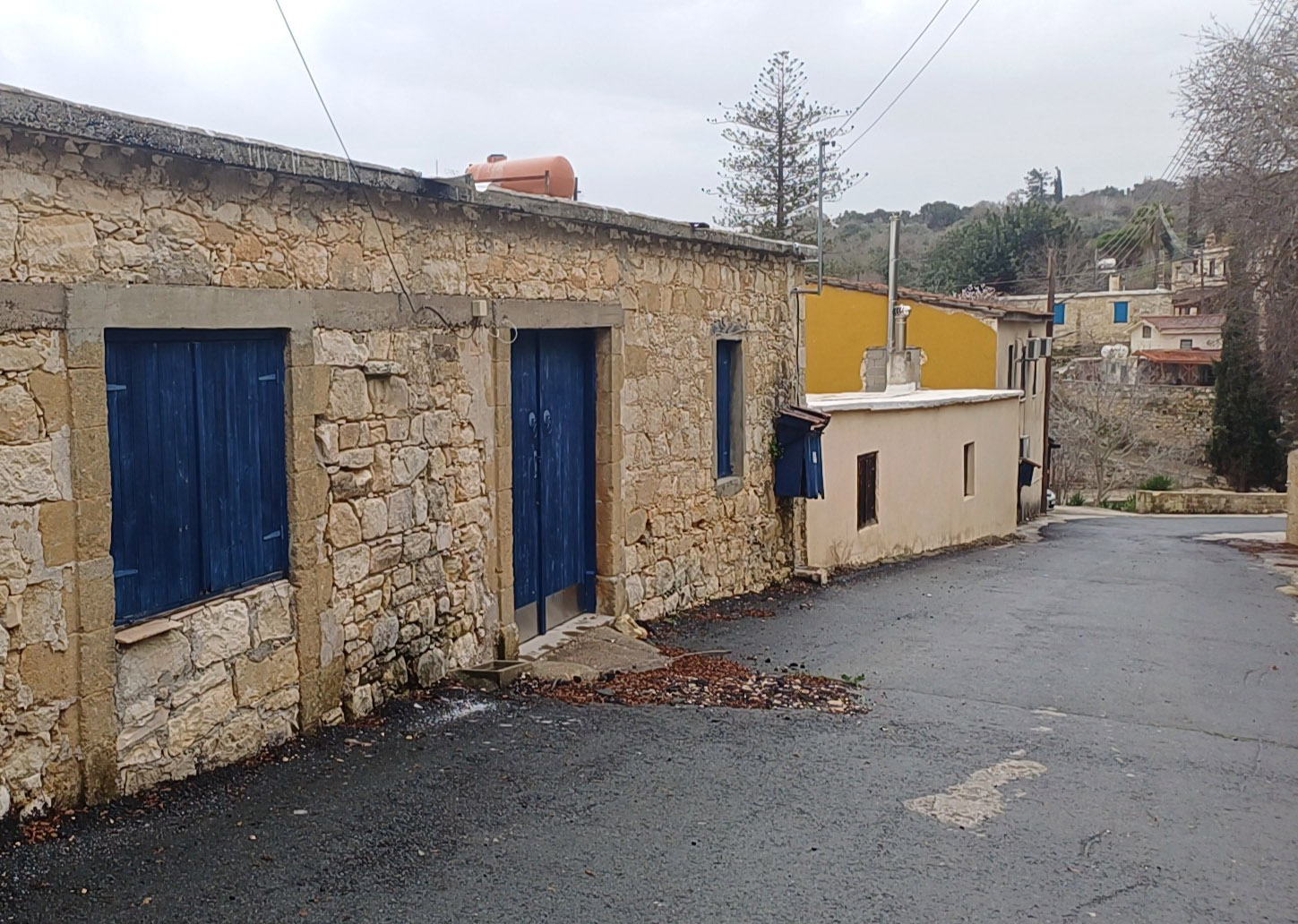
Subletting, neglect, underreporting of rental income and patronage – the allocation of Turkish Cypriot properties in the government-controlled areas has descended into a bureaucratic labyrinth prone to rampant abuse which the government is only now attempting to rectify.
The total value of these properties now exceeds €7.5 billion, with projected annual rental income for this year at around €6.56 million.
A legacy of token rents, paper contracts and inertia left the properties ripe for exploitation.
“A building worth €4 million with a market rate of €6,000 per month was being rented for only €30,” Interior Minister Constantinos Ioannou recently remarked.
Following the Turkish invasion, Turkish Cypriots’ properties and land left behind after their exodus to the north, making up over 10 per cent of government controlled territory, were placed under state guardianship.The state decided to allocate these abandoned properties to displaced persons for a nominal fee, with the caveat that they would be returned to their rightful owners should the political situation permit.
Some 17 years later, in 1991, legislation established the special administrative body, the Guardian of Turkish Cypriot properties, under the auspices of the interior ministry to manage these assets.
Yet for decades, Turkish Cypriot homes were bequeathed at the discretion of the interior ministry, often influenced by party loyalty or personal connections.
In short, both refugees and non-refugees took advantage of a broken system.
RESIDENTIAL
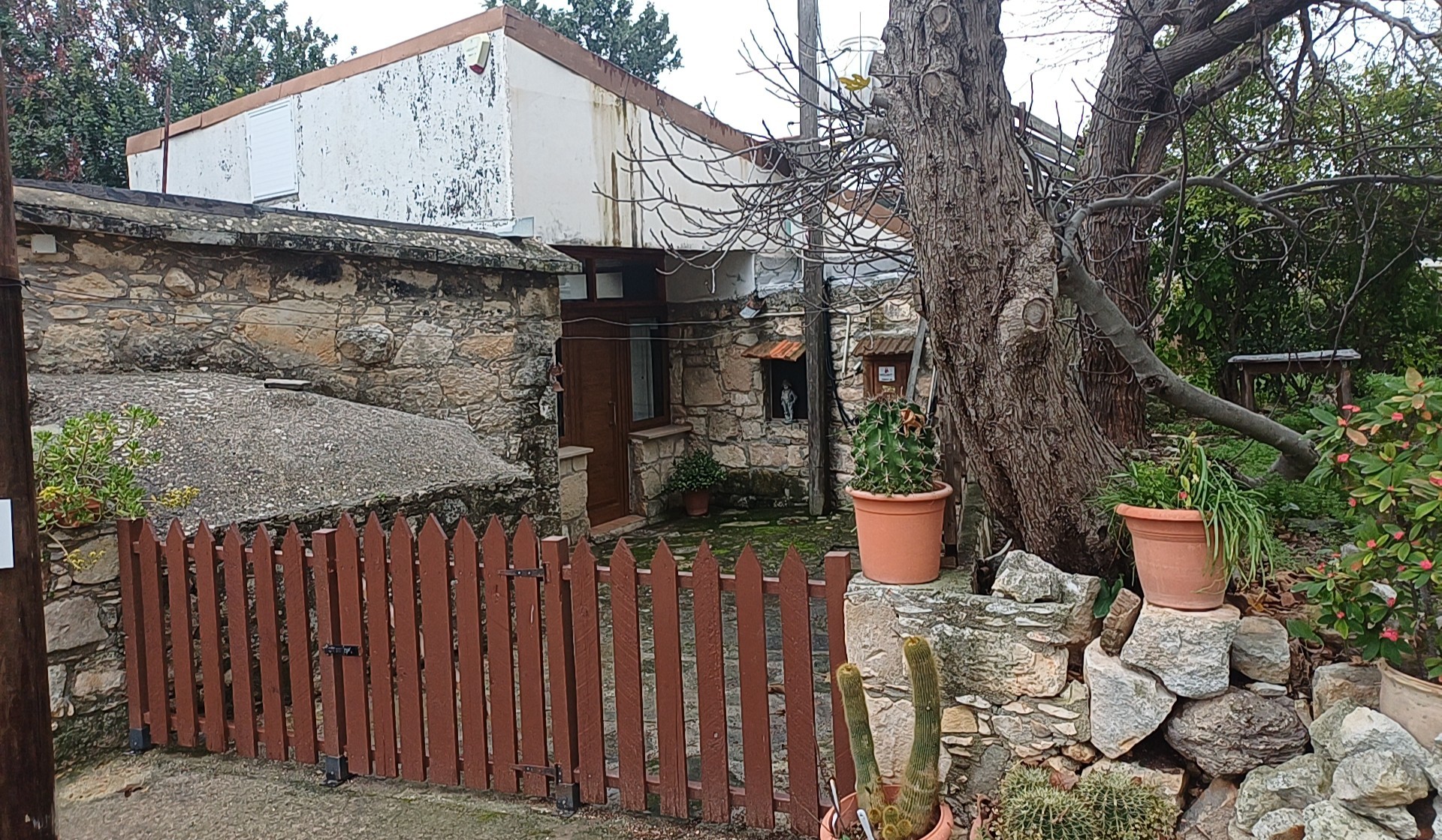
Through public tenders, properties in isolated Turkish Cypriot villages were assigned not on the basis of housing but on the ability to pay, allowing homes intended for refugees to be repurposed as holiday residences often to non-refugees.
The House refugee committee, chaired by Akel MP Nikos Kettiros, moved decisively in June 2025 to end this practice.
Turkish Cypriot houses would, for instance, no longer be allocated through bidding.
“These properties will not be given as holiday homes again,” Kettiros said unequivocally, stressing that all such properties must be used as primary residences for refugees.
The reform, however, is not retroactive, as existing contracts permitting holiday use remain valid and renewable, as revocation would prove unconstitutional.
The holiday home issue dates back to the 1990s when the government advertised Turkish Cypriot village houses to refugees and non-refugees alike, on the condition tenants paid for renovations themselves.
At the time, demand from just refugees was limited. Many Turkish Cypriot villages were economically unattractive, isolated, lacking in any amenities and the houses costly to restore. The government was not prepared to shoulder the costs of renovation itself, and the alternative for those houses was continued dereliction.
An archival document from Paphos municipality illustrates how this policy operated in practice.
In January 1995, the interior ministry formally confirmed the allocation of a residence in a Turkish Cypriot village to a non-refugee for explicit use as a holiday home.
The property, registered to a named Turkish Cypriot owner, was granted under the 1991 Turkish Cypriot properties act. The lease required the tenant to finance all repairs at personal expense, adhere to strict traditional architectural guidelines, and accept that the state could terminate the agreement at short notice, without compensation, or upon the return of the Turkish Cypriot owner. The user also pays a small monthly rent.
Commercial exploitation was prohibited and the property was signed off under a provisional lease, renewable automatically, yet terminable at any time. In practice, repossession is rare unless a significant breach occurs.
Disy MP for Kyrenia and member of House refugee committee, Rita Theodorou Superman, acknowledged the tension this creates, remarking that the committee is aware of reactions from current users who “have spent considerable amounts of money on repairing these properties while at the same time paying rent”, adding that the issue of rents and repairs will be re-examined by parliament.
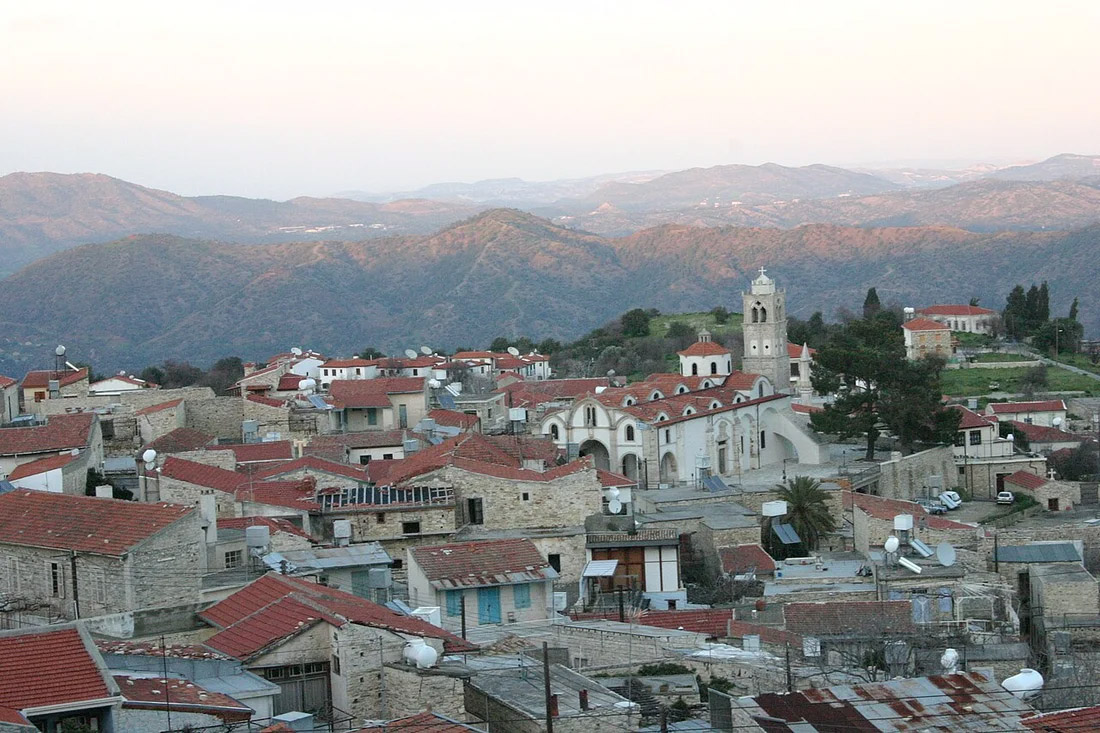
Lefkara, once a mixed village with 105 abandoned Turkish Cypriot properties, illustrates the scale of the decay many still-unused buildings face.
Mayor Sophocles Sophocleous reported on the condition of certain dilapidated structures, some listed, others abandoned since the intercommunal troubles of 1963.
“The state must take responsibility to protect them. They are collapsing day by day,” he insisted.
Recent inspections by The Guardian of Turkish Cypriot propertiesrevealed 88 properties under its management in Lefkara, those being 59 residential, 11 commercial, and 18 uninhabited.
Violations were found in 22 residential cases, mainly unpaid rents or failure to renew leases after the tenant’s death.
Three recovery notices were issued, while engineers assessed uninhabited buildings, some earmarked for demolition.
A new points-based allocation system now governs residential properties.
Points are awarded based on family size, dependents, income and property held in the north.
Income thresholds range from €30,000 for single applicants to €70,000 for families with three or more children.
The aim is to prevent arbitrary allocation and prioritise need.
Inherited use remains vexatious. Hundreds of young couples find themselves unable to access properties because they remain in the hands of deceased or elderly beneficiaries’ heirs.
“Turkish Cypriot houses are not inherited. But if only one refugee claim has ever been made, the use of the house can continue from parent to child without a formal reassessment. As long as only one refugee claim exists, the use can effectively continue”, Kettiros admitted.
“This is why young refugee couples cannot access housing. Properties remain occupied not illegally, but because the system has not reset.”
Superman drew a sharper line, saying that if relatives of the current beneficiary do not meet the criteria, the property will be reclaimed by the management service and reallocated, while cautioning that “the housing problem will not be solved with Turkish Cypriot properties” alone.
She argued that the government has a duty to support younger generations with more effective measures and that the state must pursue permanent solutions beyond the temporary redistribution of abandoned homes. Rising property prices have compounded the problem, while state housing schemes have failed to meet demand.
COMMERCIAL
Abuse has been most pronounced in commercial properties, particularly in sought after areas such as Mackenzie, where tenants paid token rents to the state while subletting for thousands.
Rents were often symbolic, such as offices in Limassol rented for €18 a month or workshops in Larnaca for €5.
Reforms introduced last year applied gradual rent increases over seven years. An office in Limassol rose from €18 to €147, while a concrete supply business increased from €7 to €1,181.
“The objective is not to make businesses non-viable, but to correct decades of distortion and ensure revenue supports refugee programmes,” the interior ministry affirmed.
Inspections of 4,032 commercial leases uncovered 512 breaches. Interior ministry audits have now expanded beyond private leases to include 275 municipal contracts, with violations found in 31 cases, and of 589 contracts signed by village councils, 47 breaches were identified. A total of five municipal contracts and three village council contracts were terminated following warnings and partial compliance efforts.
A special committee now oversees allocations, with members recusing themselves where conflicts arise. Nevertheless, many current holders benefited from discretionary allocations based on connections rather than eligibility. Subletting is prohibited, but loopholes remain. Refugees may indirectly allow non-refugees to operate businesses if they cannot do so themselves.
AGRICULTURAL
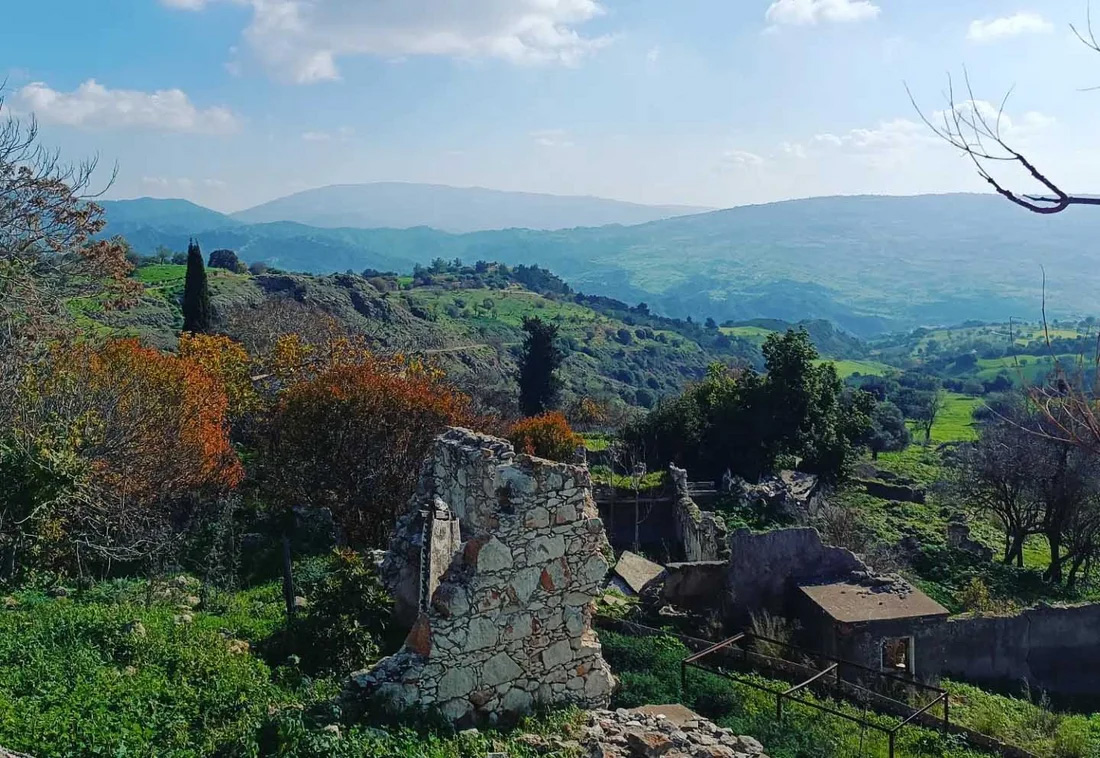
Agricultural land presents separate challenges. In areas such as Polis Chrysochous, non-refugee farmers cultivate thousands of acres of Turkish Cypriot land while receiving about €400,000 annually in subsidies from the agricultural payments organisation (Capo).
This includes land classified as scrubland or grazing areas. Absentee landholding and informal subletting is endemic.
Inheritance complicates matters further. When a refugee cultivator dies, heirs do not automatically inherit the land, leading to informal use by unrelated parties.
Kettiros cited a case where land was reallocated to a farmer’s grandson, bypassing committee recommendations.
The interior ministry, working with Capo and the EU, now requires written agreements for subsidy eligibility. Non-compliance risks loss of payments.
The management of Turkish Cypriot property proves a lamentable catalogue of state failure.
Discretionary allocations enabled politically connected individuals to secure valuable assets at negligible cost.
Subletting networks, sometimes linked to criminal elements and shell companies, converted public property into private profit.
In December 2024, Kettiros presented evidence linking underworld figures to illegal leasing. Investigations focused on 20 properties, uncovering shell companies generating millions.
Annual audits revealed further anomalies, such as leases assigned to deceased individuals. Interior minister Ioannou confirmed this week that more than 4,000 rental contracts have now been inspected in total.
The new framework abolishes ministerial discretion. All allocations must now follow measurable criteria and points systems through public calls. Three calls have covered 146 properties nationwide, with 844 applications in the latest round. Digitisation has introduced serial numbers, rankings and transparency. About 700 leases have been reviewed, with 300 terminated. Evictions are enforced for non-payment or unauthorised subletting. Reclaimed properties are reallocated based on need.
Digitisation is central to reform. Funding has been secured for a digital registry linking leases, subsidy data and death records, closing loopholes that allowed abuse to persist. Municipalities are now involved in inspections and maintenance.
Sophocleous demanded that local authorities must intervene to prevent collapse and illegal occupation.
“The plundering must stop. The rightful beneficiaries must receive the homes and live in them,” he said.
Crucially, the reforms stop short of reassessing historically valid allocations.
Existing holders retain concessions unless a breach occurs, as reopening contracts would expose the state to litigation and social upheaval.
There is no compensation framework for those disadvantaged by past allocations.
The points system improves fairness but does not address supply shortages.
To mitigate this, the government is considering allowing refugees to accept derelict properties with capped state contributions.
A proposal under discussion would allow the state to contribute up to €40,000 for repairs.
“The €40,000 contribution is not included in the current amendment,” Kettiros said. “But it is something I will insist on introducing in the next amendment.”
Kettiros disagreed with the claim that this could create “two-speed refugees”.
“It is better to give refugees the opportunity to live in a house by investing a few thousand euros than to never get a house at all,” he said.
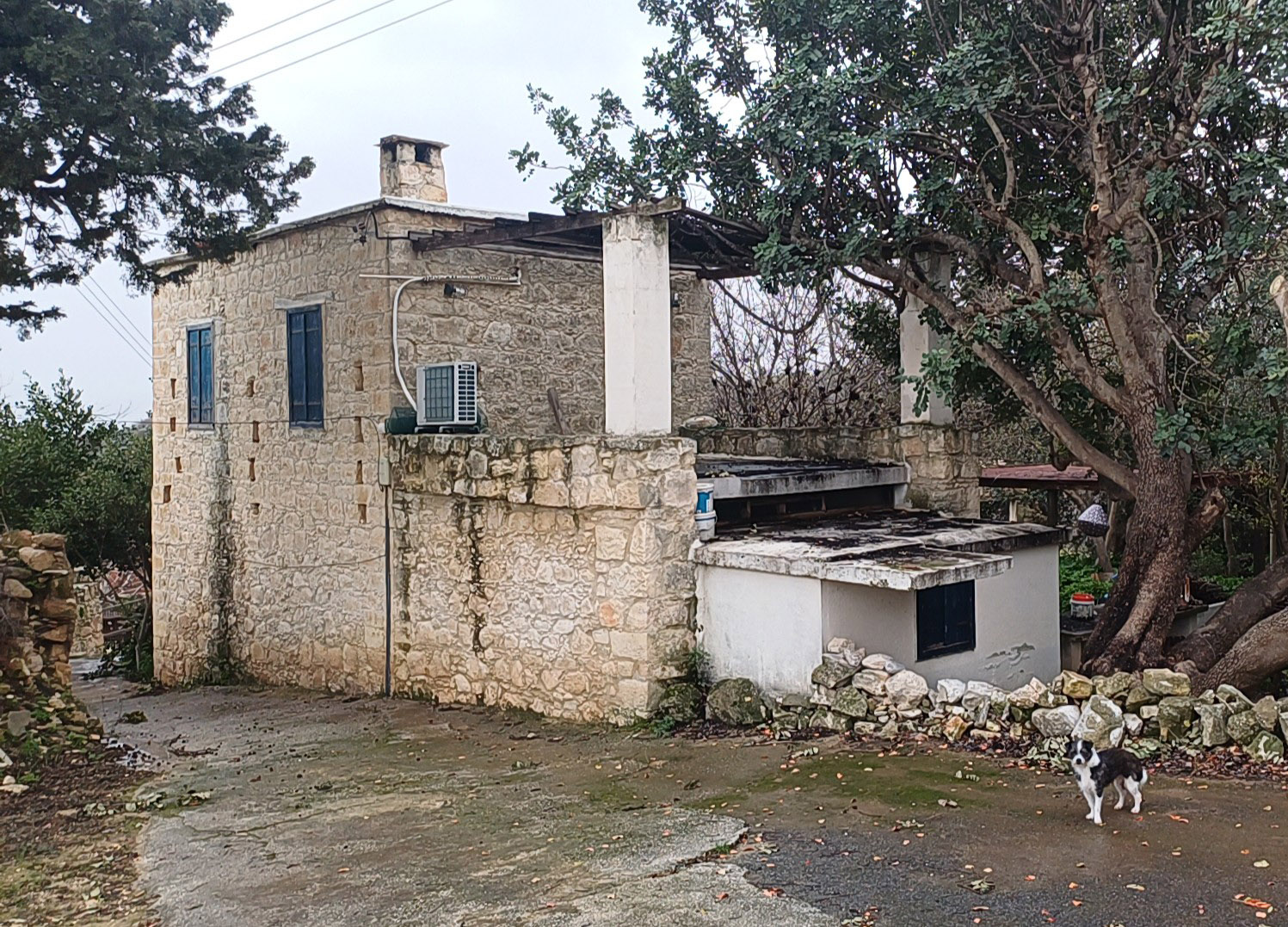
Indirect subletting remains the most fragile fault line. Enforcement relies on inspections, audits and whistleblowers. Proxy arrangements are difficult to detect.
Beyond digitisation there has in effect been no comprehensive reckoning with fifty years of administrative failure.
No compensation framework exists for those wronged by arbitrary allocations, nor for refugees priced out while others prospered.

Click here to change your cookie preferences