
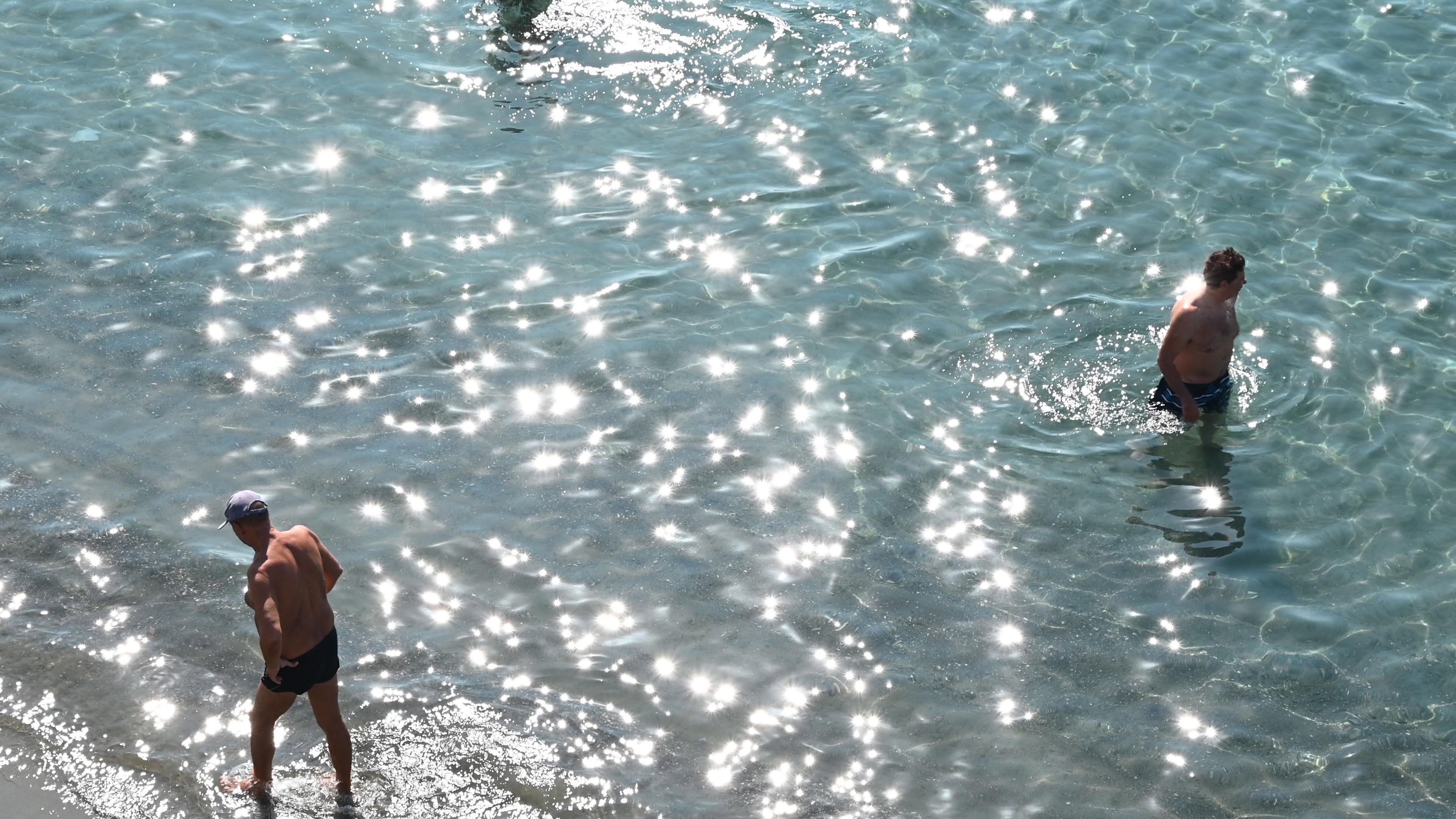
A new group exhibition opening at NiMAC this Friday begins from two key reference points: a 1943 statement by John Burns in the Daily Mail describing the Thames river as “liquid history”, and journalist Erica Gies’ book Water Always Wins (2021), which urges readers to consider the desires of water itself.
Water, a vital yet unpredictable force, nourishes ecosystems, shapes landscapes, and flows through human and non-human bodies, while resisting control in an era of rapid development and climate instability. The question “What does water want?” becomes critical and plays a vital role in this upcoming exhibition, Fluid Persistence.
The exhibition brings together 19 contemporary artists whose work responds, directly or indirectly, to these ideas. More specifically, their work explores urgent questions relating to ecological destruction, water’s role in storytelling and mythmaking, its defining power in geopolitics, its dark and haunting nature, as well as its magical and transformative potential ingrained in the simple truth that we are all bodies of water.
Rooted in Cyprus yet resonating beyond it, the exhibition places local histories of rivers, seas, wetlands, wells, dams and waterways in dialogue with broader environmental and geopolitical contexts. From ancient myths to colonial infrastructures and hidden waterways, water emerges as both a conduit of power and a bearer of memories, whispers and lost lives.
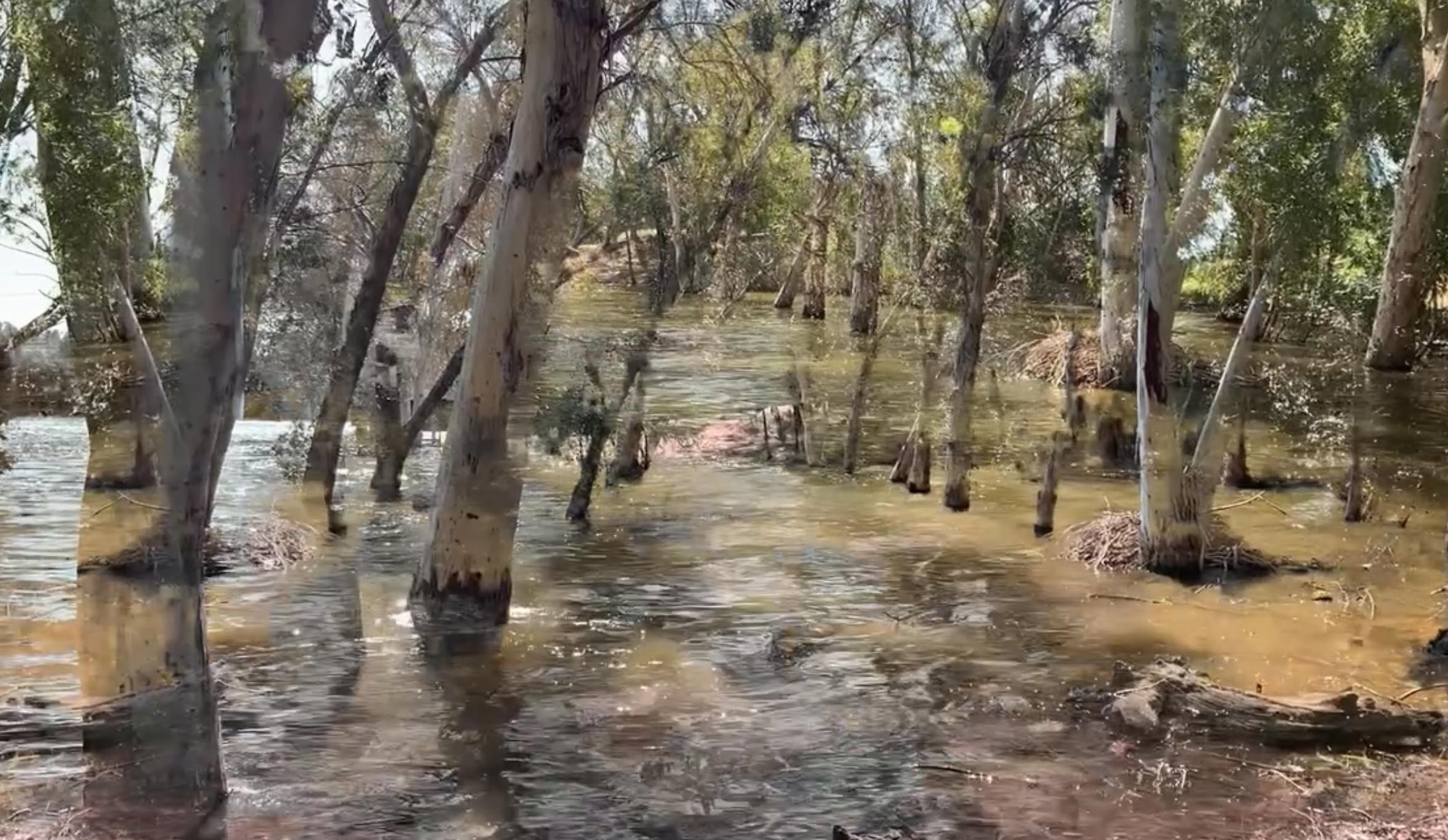
The participating artists trace dormant rivers and fountains in Nicosia, document oral histories, photograph eroded stone surfaces, and map wetland ecosystems and coastlines marked by territorial control and ecological change. Others deploy water symbolically to address grief, desire, freedom and the act of catharsis.
Ultimately, the exhibition unfolds as a liquid space where stories expand, memories surface and submerged tensions rise through real and imagined narratives that unsettle familiar geographies. Visitors are invited to engage with these layered, often overlooked histories, highlighting fluidity not only as a natural condition, but as a form of storytelling that shifts and shapes how we perceive, inhabit and understand the world.
Throughout the exhibition’s duration, until May 31, a free parallel programme will unfold. Kicking it off is the performance 5-Star by PASHIAS on Friday at 7.30pm. Guided tours by Dr Elena Stylianou will follow on February 11 and on April 22.
A lecture in English by Dr Lowell Duckert, Associate Professor of English, University of Delaware will take place on February 18 while a workshop to explore memory with Maria Kamberi and Demetris Yiasemides will happen on February 14. Two sessions will take place, one for children and one for adults.
Continuing the parallel events programme is the walk The Veins Beneath our Feet with Dr Evanthia Tselika on how Pediaios’ waters have shaped the history of Nicosia within the walls. It will begin from NiMAC on March 14 and will take place in Greek.
A discussion in English will follow on April 25 titled Liquid Histories with Tselika, Dr Avi Betz-Heinemann, Dr Esra Plümer and Dr Stavroula Michael. The performance Melusine will continue the programme on May 27, by Marilena Zackheos which will weave together poetic fragments, ecological data and mythic narrative.
Finally, the Contesting Migration screening and discussion will wrap up the programme on May 10 where Efi Savvides and Olga Demetriou will present four films exploring the political and social dynamics of refugee reception in the Mediterranean.
Taking part in the exhibition are the artists Elena Adamou, Alev Adil, Ioannis Aristotelous, Charalambos Artemis, Marianna Christofides, Kyriaki Costa, Pavlos Ioannides, Stelios Kallinikou, Nurtane Karagil, Marina Kassianidou, Nicolas Lambouris, Maria Loizidou, Eleni Mouzourou, PASHIAS, Alexandros Pissourios, Mikella Psara, Socratis Socratous, Constantinos Taliotis and Damianos Zisimou.
Fluid Persistence
Group exhibition and parallel events programme. December 12-May 31. NiMAC, Nicosia. Wednesday – Saturday: 10am – 8pm. Sunday: 10am – 6pm. Tel: 22797400. Times and programme at www.nimac.org.cy





Click here to change your cookie preferences