
Upon the third hour of my standing in the main foyer attempting to radiate purpose, I began to suspect my employers at the Royal Opera House were experimenting with some new form of psychological warfare.
I had drawn, as I often have, the short straw, and was thus obliged to work the graveyard shift on Christmas Day.
The atmosphere was as festive as a dentist’s clinic.
The theatre’s open house policy meant that even on days with no shows – and Christmas day was one – we remained open to the public, a cultural petting zoo preserved in aspic.
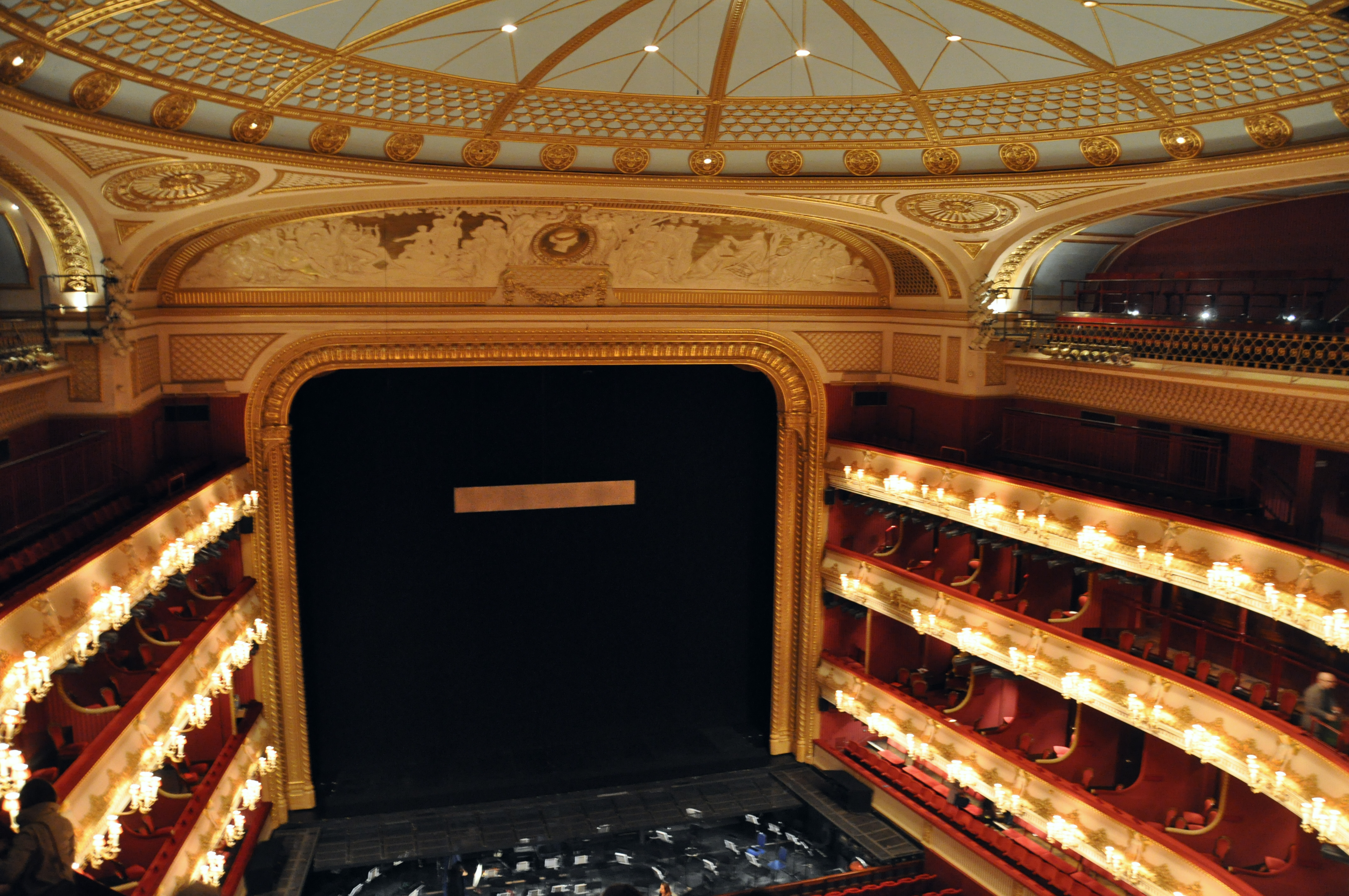
Despite its admittedly grand main theatre, those hallowed walls were firmly closed to the public.
They were free to visit the building, just not the theatre itself.
The stage, the jewel in the crown, was sealed off, and visitors were instead encouraged to loiter among the peripheral foyers and bars.
And that surrounding complex had about as much charm as Heathrow’s Terminal 2.
Corridors of glass, steel and plywood flooring entomb the stage like a rather vulgar sarcophagus, a mausoleum wrapped in the architectural optimism of a Tesco Express.
My job, if one could call it that, was to stand in various corners and look vaguely authoritative.
The only thing I truly commanded was a maddening contempt for Tchaikovsky’s Nutcracker, which emanated across every soundspeaker, inflicting torturous wounds with every passing minute.
After my tenth circuit of the foyer, I felt deranged, akin to Jack Torrance in the Overlook Hotel who seemed to have “always been the caretaker” of these accursed halls.
Every so often I would catch a glimpse of another poor soul they had stationed in some abandoned lobby on Level 5, staring into the middle distance and likely questioning every decision that had brought them to this career highlight.
We exchanged the hollow smiles of condemned men.
Occasionally a small crowd would drift aimlessly through the Paul Hamlyn Hall, before shuffling off towards the shop for some trinket to justify their pilgrimage.
The closest thing we had to excitement was the sudden mass migration of visitors who would seemingly all decide that now was the time to relieve themselves.
For the next several minutes I became a sort of human signpost, not unlike those inflatable mascots outside a petrol station, flapping about and frantically directing the public towards the lavatories.
“Down the hall, to the right” is a phrase I still shudder to think of.
The only respite from monotony came through the radio earpiece they insisted we wear.
A thin plastic coil curled inelegantly behind the ear, emulating a rather shabby secret service coordinating a covert operation.
Every so often it crackled to life with thrilling announcements such as “Position change for main foyer” or “The piazza is now closed,” each one delivered with a seriousness that made the whole farce feel inexplicably important.
At long last my watch was over by 10pm, and with some haste I abandoned my position and retreated backstage to the staff cloakroom.
I slipped out into the cold Covent Garden night, boarded a rattling Bakerloo carriage home, and consoled myself with a single mince pie, a meagre reward for my efforts in the war.





Click here to change your cookie preferences