
Cyprus to target EU red tape in competitiveness drive
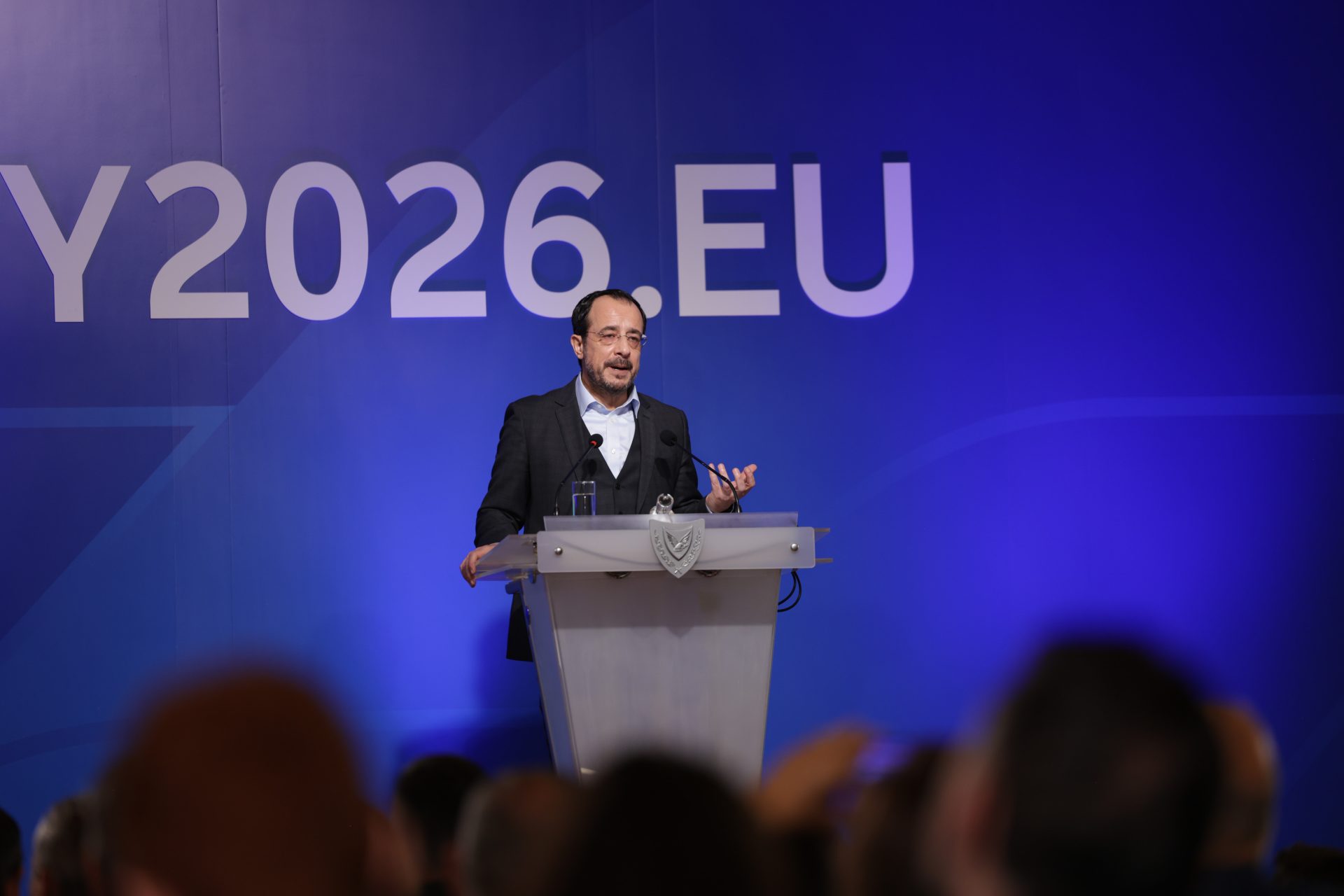
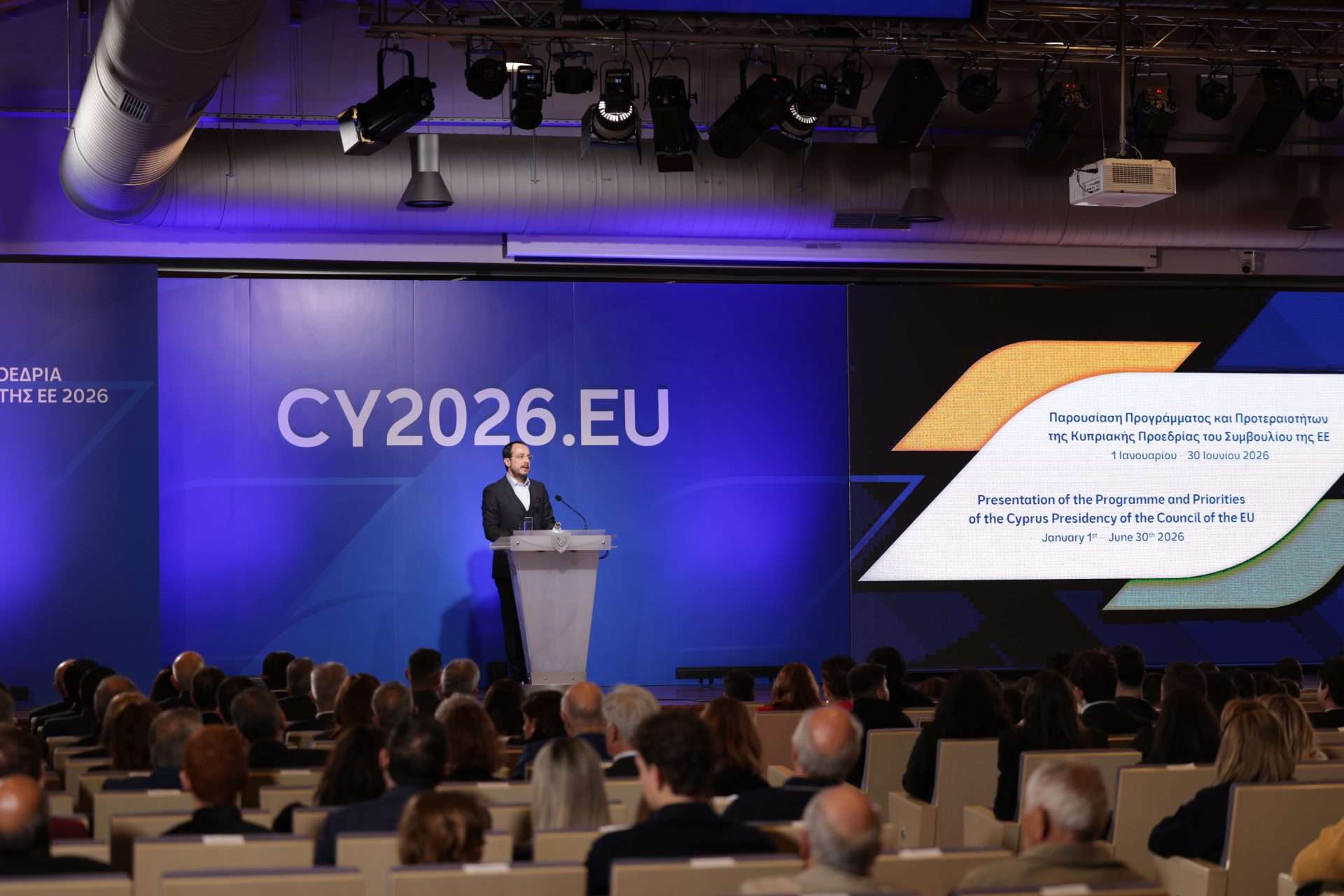
Cyprus has formally set out the political and institutional framework of its upcoming Presidency of the Council of the European Union, using a presentation in Lefkara to outline priorities that will shape the bloc’s agenda from January 1, 2026.
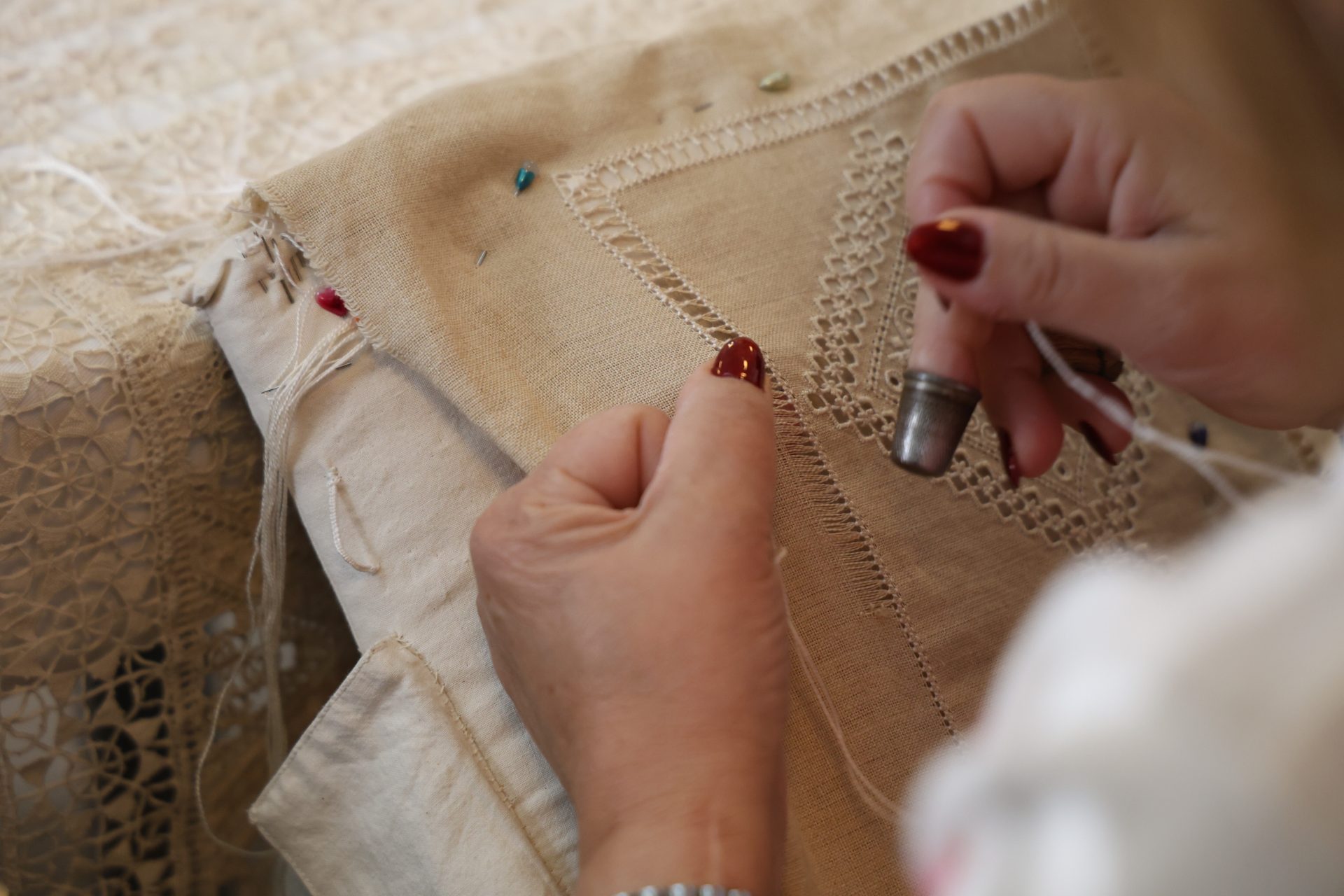
The choice of Lefkara, a village with international recognition for its cultural heritage, was intended to anchor Cyprus’ European role in a narrative of continuity and outward orientation, while at the same time underlining the island’s strategic position in the eastern Mediterranean.
Against that backdrop, officials described the event as the first public marker of a presidency prepared over months at administrative and political level.
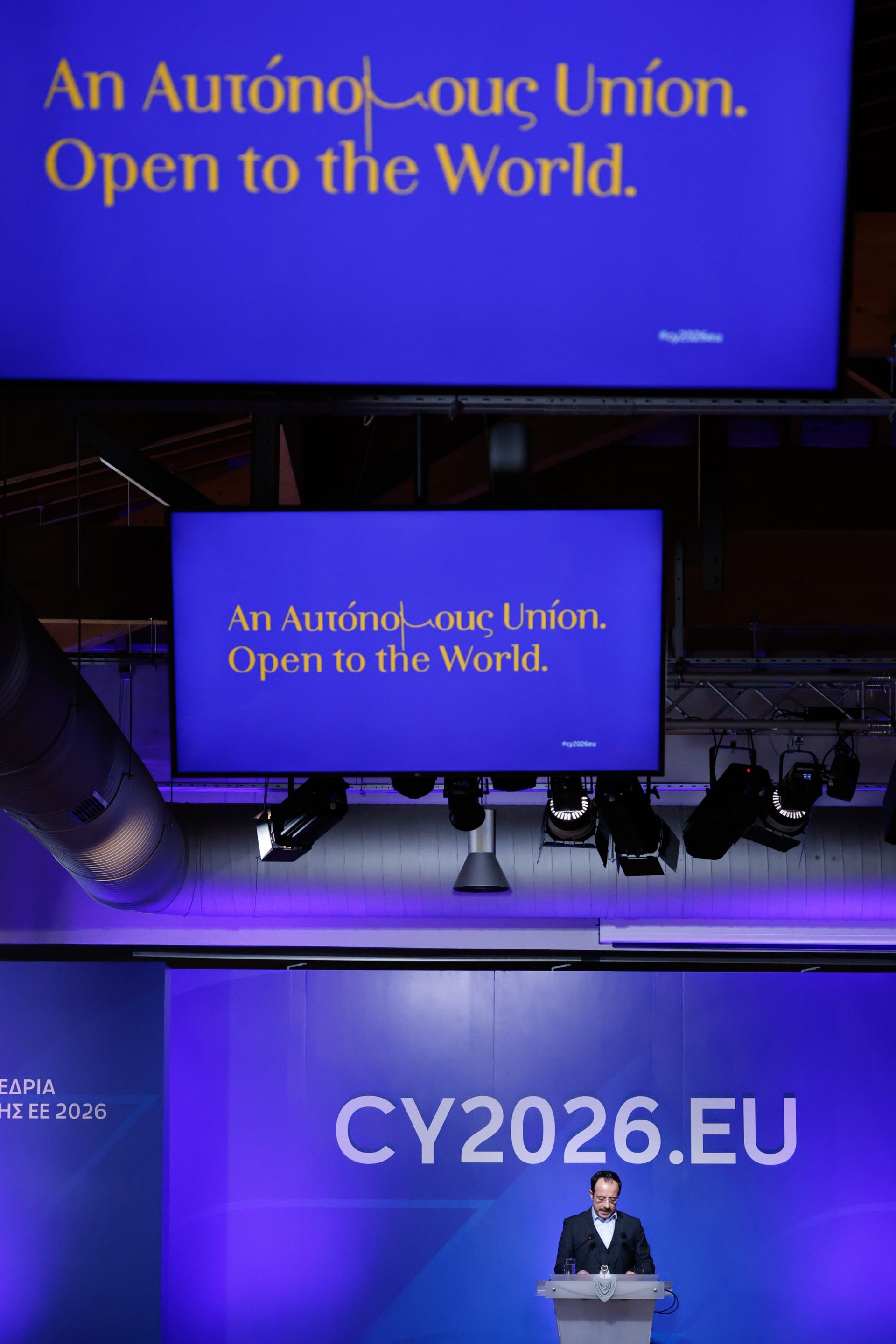
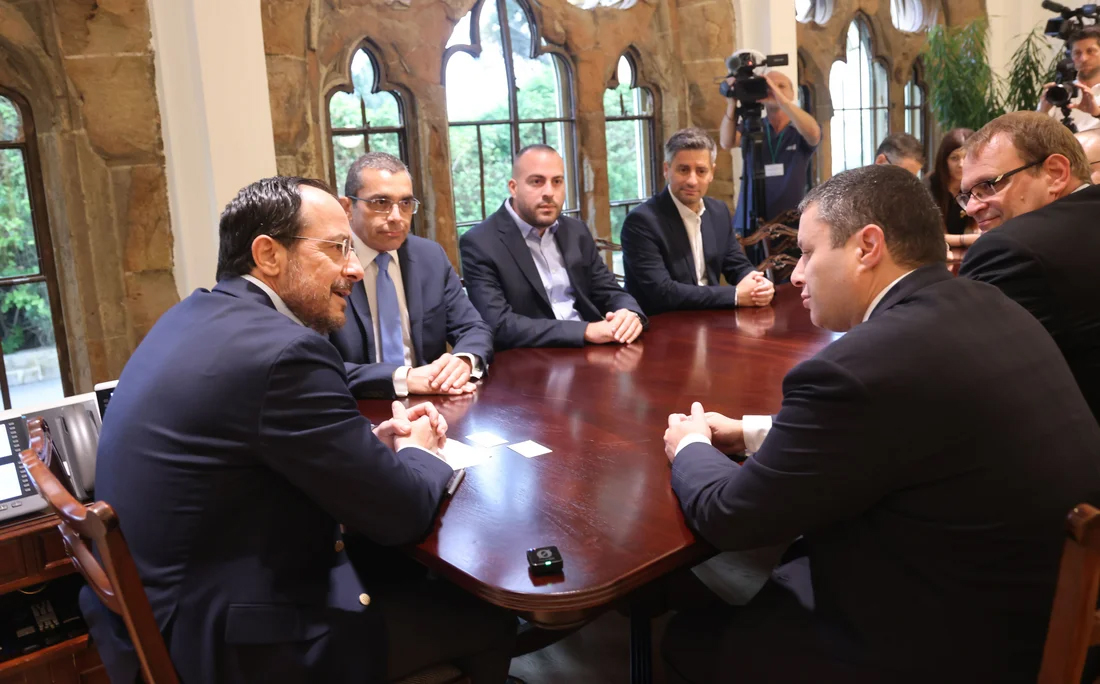
Speaking at the ceremony, President Nikos Christodoulides described the moment as “a milestone day in our European journey”, explaining that Cyprus was not merely assuming an institutional role, but “primarily responsibility. Responsibility towards Europe, towards our fellow citizens, towards the future.”
In the same context, he said that “today the heart of Europe beats louder here, in the southeasternmost tip of Europe. In its last occupied member state,” thereby linking the presidency both to Cyprus’ geopolitical reality and its broader European identity.
The decision to present the priorities in Lefkara, he added, was deliberate, calling it “a place that symbolises the creativity, tradition and timeless extroversion of Cyprus.”
Beyond symbolism, however, Nicosia now faces a demanding agenda with clear economic and business implications.
Over the six-month term, the Council will be required to steer discussions on continued support for Ukraine, European defence and security, competitiveness, migration policy and negotiations on the new multiannual EU budget.
At the centre of Cyprus’ programme lies the concept of European strategic autonomy, which the government frames as essential for economic resilience and investment certainty.
In this regard, Christodoulides said “what is now required is an Autonomous Union”, describing it as “a necessary next step in the evolution towards European integration”, one capable of protecting its citizens, borders and interests while remaining open to global partnerships.
At the same time, he stressed that autonomy “does not mean introversion”. On the contrary, he argued for a Union that is outward-looking, predictable and rules-based, adding that “the stronger it is, the more valuable it is to its partners.”
Against this background, the presidency, he said, would work for “an Autonomous Union. Open to the World”, identifying this as the central message and guiding objective of the term.
The priorities are structured around five pillars, beginning with security, defence and preparedness.
Within this framework, Cyprus plans to advance work on the EU’s defence industrial framework, promote the rapid implementation of the White Paper on the Future of European Defence and the related defence readiness roadmap, and maintain support for Ukraine, which Christodoulides said “could not have been otherwise”, given Cyprus’ own experience of invasion and occupation.
Importantly, the security pillar extends beyond defence alone. It also encompasses migration management, maritime security, economic security and resilience to climate-related risks, including water scarcity, alongside efforts to shield democratic institutions from disinformation and hybrid threats.
From a business perspective, competitiveness, the second pillar, is expected to be among the most closely watched. Here, Christodoulides said that “only a more competitive EU can lead us to a more autonomous Europe”, directly linking economic strength to strategic independence.
Accordingly, the presidency will focus on cutting bureaucracy, particularly for small and medium-sized enterprises, advancing legislative simplification, deepening the single market and strengthening capital markets through the Savings and Investment Union.
In parallel, energy and digital autonomy will also feature prominently. In this area, emphasis will be placed on affordable and predictable energy prices and progress on EU network infrastructure, both widely seen as critical for investment planning and long-term industrial competitiveness.
The external economic dimension is captured under the third pillar, which places enlargement and trade at the core of the agenda.
In this context, Christodoulides described enlargement as “the EU’s most powerful geopolitical tool”, stretching “from Ukraine to Moldova, from the Western Balkans to Turkey”, while at the same time stressing that progress would remain conditional on compliance with EU criteria.
Alongside enlargement, Cyprus aims to deepen economic and political ties with the southern neighbourhood and the Gulf. This includes promoting concrete projects under the New Pact for the Mediterranean and supporting initiatives such as the India-Middle East-Europe Economic Corridor.
In addition, Christodoulides said trade agreements with partners including India and the United Arab Emirates would form part of a broader push to expand the EU’s commercial footprint.
Social cohesion forms the fourth pillar, with housing emerging as a priority with clear economic and social spill-overs.
In this regard, Christodoulides said affordable housing would be promoted through the recently announced European plan, alongside measures on youth online protection and stronger health systems, framing these policies as prerequisites for sustainable growth.
Finally, the fifth pillar focuses on the EU budget, with Cyprus tasked with advancing negotiations on the next Multiannual Financial Framework.
Here, Christodoulides said the budget must become “the vehicle through which the EU will implement its strategic priorities”, adding that the presidency would aim to deliver a “strong, ambitious and balanced” negotiating framework to its successor by mid-2026.
Furthermore, he argued that the European project had never advanced under conditions of certainty, saying that “the EU was not built on conditions of security and certainty”, but through adaptation and political resolve.
The Cyprus Presidency, Christodoulides said, would therefore work to give “new impetus to the European edifice”, positioning autonomy and deeper integration as the next phase of Europe’s economic and political evolution.

Click here to change your cookie preferences