
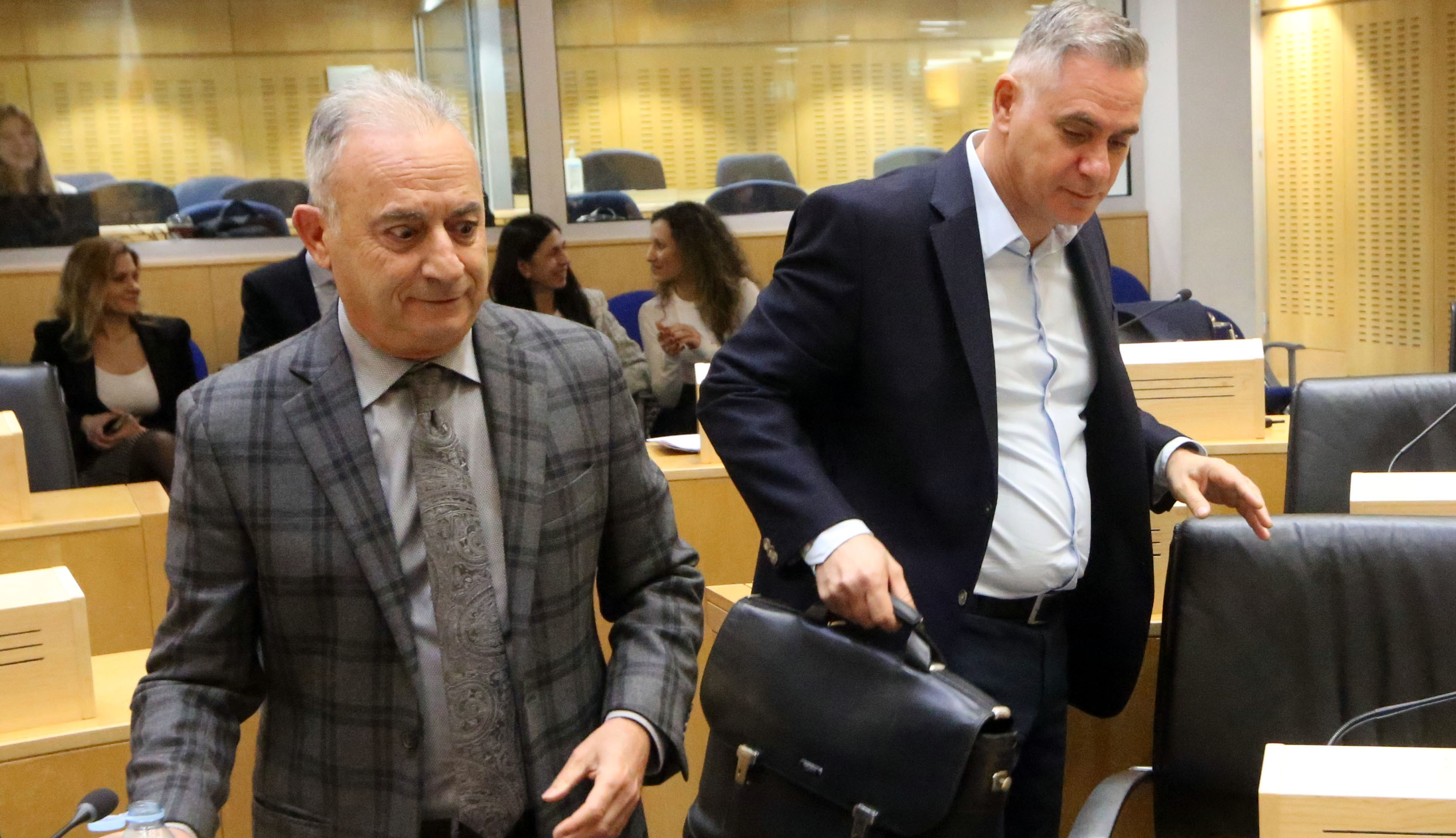
Parliament on Monday approved the long-awaited sweeping tax reform package, voting through five of the six bills submitted by the government.
It is the most extensive reform to the system in over two decades; the previous major change took place in 2002 to align with EU requirements.
The legislation, set to take force next month, includes major changes to personal and corporate income taxation, and introduces a series of tax deductions aimed at households and businesses.
The reforms, which passed with a majority, raise the income tax-free threshold to €22,000 from €19,500 currently. For its part, the government had proposed €20,500 as the new threshold.
At the same time, the corporate tax rate will increase from 12.5 per cent to 15 per cent – bringing Cyprus in line with the OECD’s global minimum tax initiative for large multinational corporations.
Speaking after the vote, Finance Minister Makis Keravnos said the new framework will lead the country’s economy to continued growth, improve competitiveness and effective support for Cypriot households in the coming years.
He described the overhaul as a fairer tax system while attracting quality foreign investments.
The deemed dividend distributions for profits earned after 2026 is abolished, and the special defence contribution (SDC) on actual dividends is reduced from 17 per cent to a flat 5 per cent.
Stamp duties on most transactions are abolished, the SDC on rental income is eliminated, and a flat 8 per cent tax is introduced for gains from cryptocurrency disposals and approved stock options.
Regulations were also passed on the taxation of interest, dividends and income of non-residents.
The government bills passed with amendments, reflecting proposals by the four main supporting parties, Disy, Diko, Dipa and Edek.
Among the changes were broadening tax allowances for children and raising the tax-free threshold on capital gains to €30,000, with agricultural plot sales exempt up to €50,000.
Only the bill on capital gains tax passed unanimously, with other bills approved by majority votes.
Keravnos said the reforms were aimed at helping middle-income households while ensuring stability for businesses and attracting foreign investment.
He added that the reform drastically reduces the tax burden on households, especially those with children, effectively supporting vulnerable groups and the middle class.
“Today’s development crowns a major and arduous effort undertaken by many,” the minister said, recalling that reforming the tax system formed one of the current administration’s key policy planks.
In a pre-recorded video message released on Monday, President Nikos Christodoulides likewise said the changes make for a “fairer, more modern, more competitive tax system”.
The government’s objective, he added, is to create “a modern state, one that is socially sensitive, economically robust and nationally proud”.
Summing it up, the president asserted that the reform “restores the balance between social justice and economic competitiveness.
“The benefit returns to the households, to the middle, to families and to businesses. Lower tax burden, more disposable income.”
The main civil servants union, Pasydy, also welcomed the passage of the tax reform legislation.
But critics lamented that the reforms provided limited benefit for lower-income earners and raised concerns over the rushed schedule allowed for parliamentary scrutiny.
Opposition party Akel had sought higher thresholds and additional credits for families with children and for those with disabilities, as well as permanent VAT reductions on electricity and essential items and taxation of windfall profits of banks and renewable energy companies, but most of these proposals were not adopted.
Speaking on the House floor, Akel MP Andreas Kafkalias described the changes to the tax system as “socially unfair, lopsided and incomplete”.
He said the reforms “leave out” about half of employees and pensioners.
Applying as of January 1, the coming changes grant new, broader powers to the Tax Commissioner to combat tax evasion, including the authority to seal non-compliant businesses and demand banking records.
Tax authorities are afforded new tools to freeze assets and corporate shares in the case of major tax arrears. And filing tax returns will be mandatory on the vast majority of the population that is gainfully employed.






Click here to change your cookie preferences