
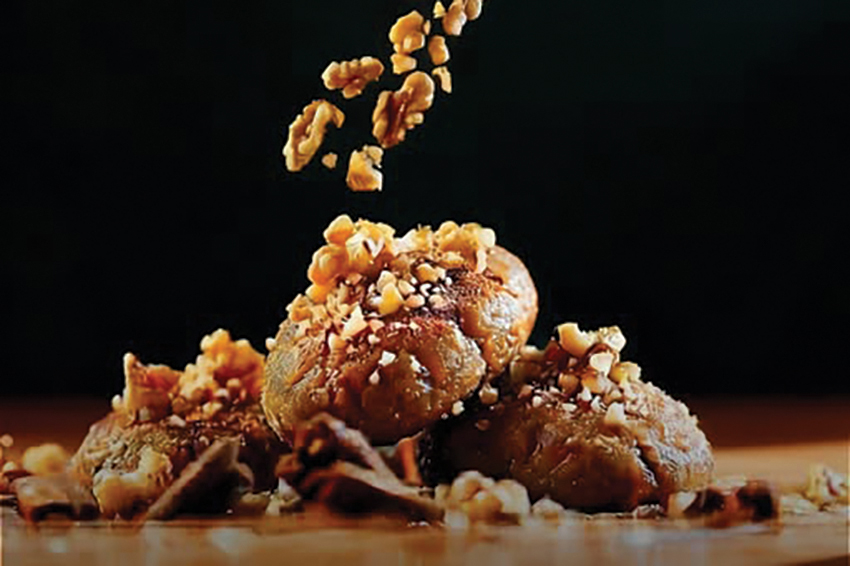
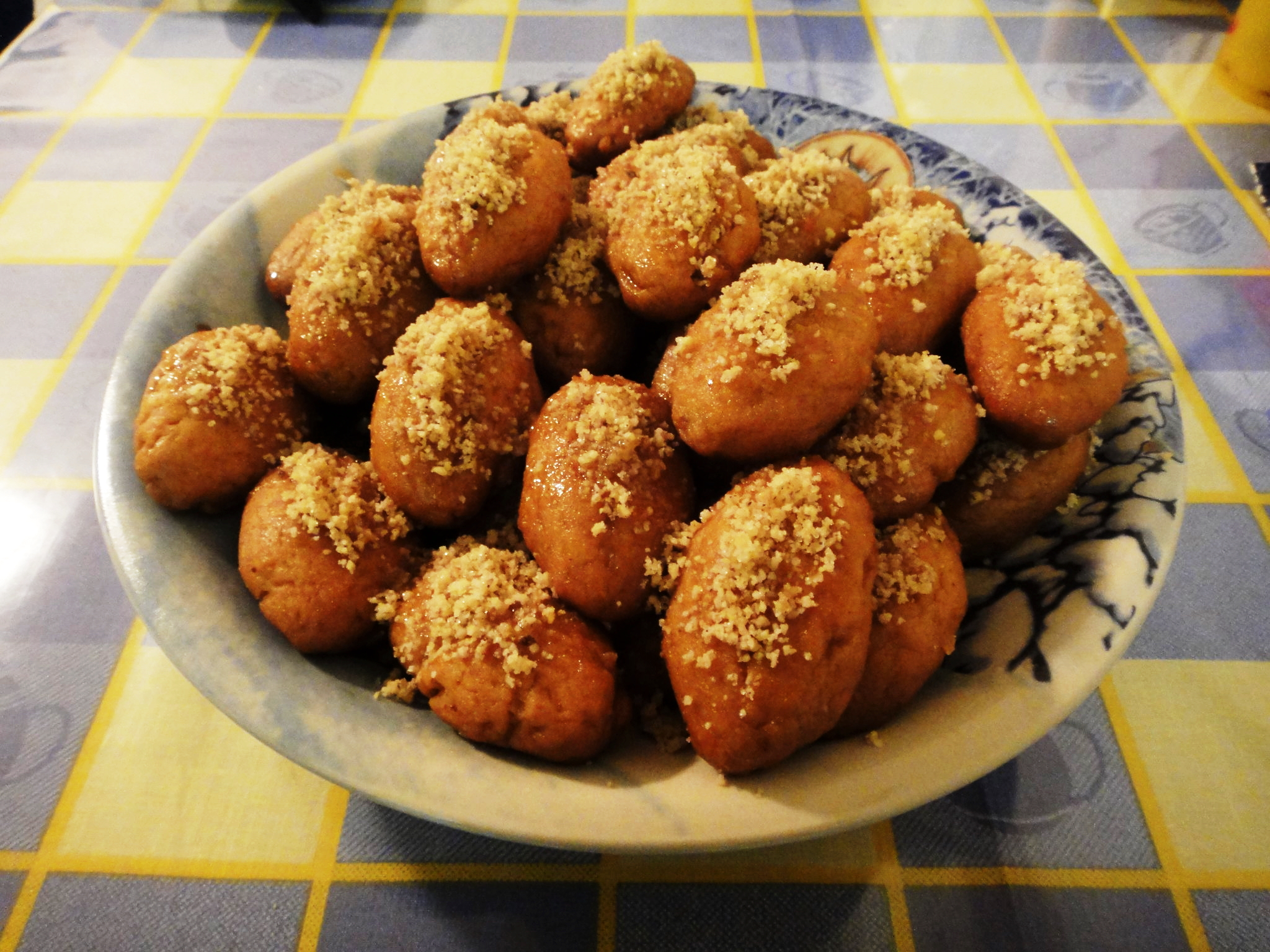
Born from the desire to be remembered, the traditional melomakarona has come a long way
“Life without pausing to celebrate and experience human togetherness can feel long and exhausting,” says wine and gastronomy educator and writer Florentia Kythreotou. Centered on the history of the beloved sweets and the upkeeping of traditions, her recent Transformation of Melomakarona workshop aimed to spread the holiday cheer.
The history of melomakarona begins unexpectedly, with Makaria, the ancient Greek goddess of blessed death. She embodied the concept of isterophimia, or the desire to be remembered and respected long after passing, an idea which the ancients were obsessed with.
While Makaria’s name rarely appears in surviving ancient transcripts, she was not insignificant, as she guarded the Elysian Fields, the area of the afterlife where the souls of heroes and the virtuous go to rest. Worshiping Makaria promised peace and serenity after death.
Adding to melomakarona’s complex history is its similar sound to the Italian macaroni. In a rare historical crossover, the word for the iconic pasta derives from the from the ancient Greek word makaria, which referred to a piece of bread offered after funerals to worship the goddess, who went by the same name.
Centuries later, bread turned into a pasta-based meal called makaronia, and later honey was added to the recipe (meli), and the rest is history.
With these beloved Christmas sweets bridging past and present, their history runs deeper than many realise, as an essential part in the Cypriot holiday agenda. It’s no surprise that at times baking a batch at home evokes nostalgia, filling the air with holiday warmth. For others, it brings the resurfacing of cherished memories.
However, for Kythreotou, the nostalgia was not the only reason to become deeply involved with tradition. “Tradition is powerful because it teaches the discipline of simplicity. Removing what is unnecessary, avoiding empty spectacle, and returning to what is essential,” she said, pointing out that it has the power to move us, making the main reason why the world’s greatest chefs keep returning to it, often sharing modernised recipes of the same traditional sweet, loved for centuries.
Recipes using unexpected techniques have surfaced in recent years. From chocolate-covered melomakarona to ways of repurposing leftovers. Covering the biscuit in dark, milk or white chocolate is the most common twist. Others use alternative stuffings instead of the traditional crushed walnuts.
From prunes to dates, replacing the nutty flavour with different kinds of fruity sweetness and texture elevates the traditional sweet. Others suggest replacing the honey with maple syrup or agave nectar to create a delicious vegan version.
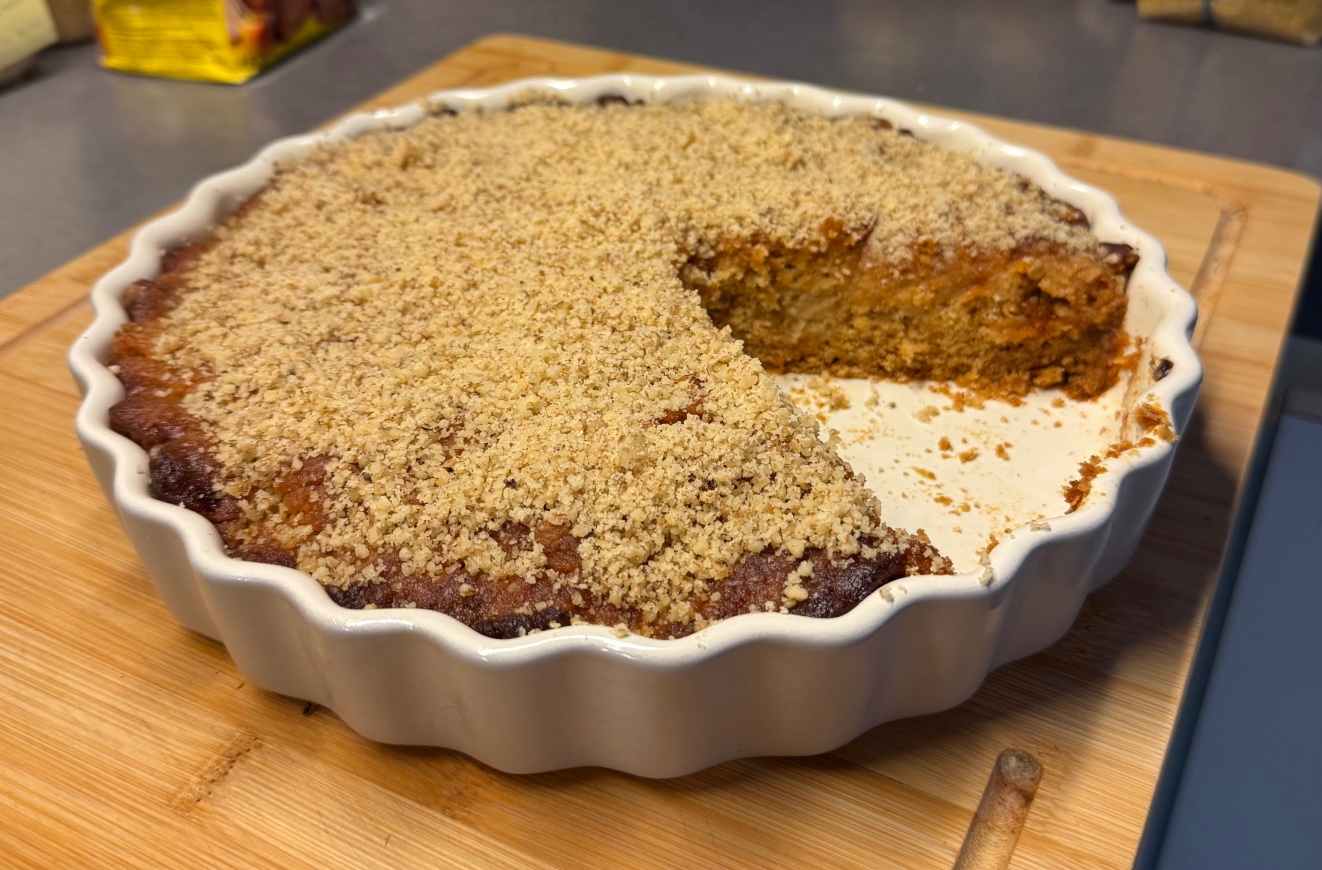
But surely the best way to repurpose melomakarona is to crumble them down to create an entirely new dessert. Using them to form a base and covering the melomakarona with cheesecake ingredients gives it a festive turn, while covering it with creamy mouse makes for an elegant and airy dessert.
“We need to pause and allow ourselves to experience the holiday joy and human togetherness,” Kythreotou said, speaking on the shared meeting place called “tradition,” where people reconnect, remember and feel part of something larger.
In this case, through traditional delicacies.
The workshop managed to build food and culture literacy among participants, in a way that was approachable and fun. With a focus on the reinterpretation of something that has existed for centuries, the participants learned to reconnect with their roots.
“It highlighted the value of quality local products and encouraged people to think more consciously about ingredients, flavour balance, and simple techniques they can use at home,” said Kythreotou, “especially during a season when food is central to hospitality and family life.
“I hope participants left with a deeper appreciation of Cypriot food culture as living heritage rather than museum tradition.”





Click here to change your cookie preferences