
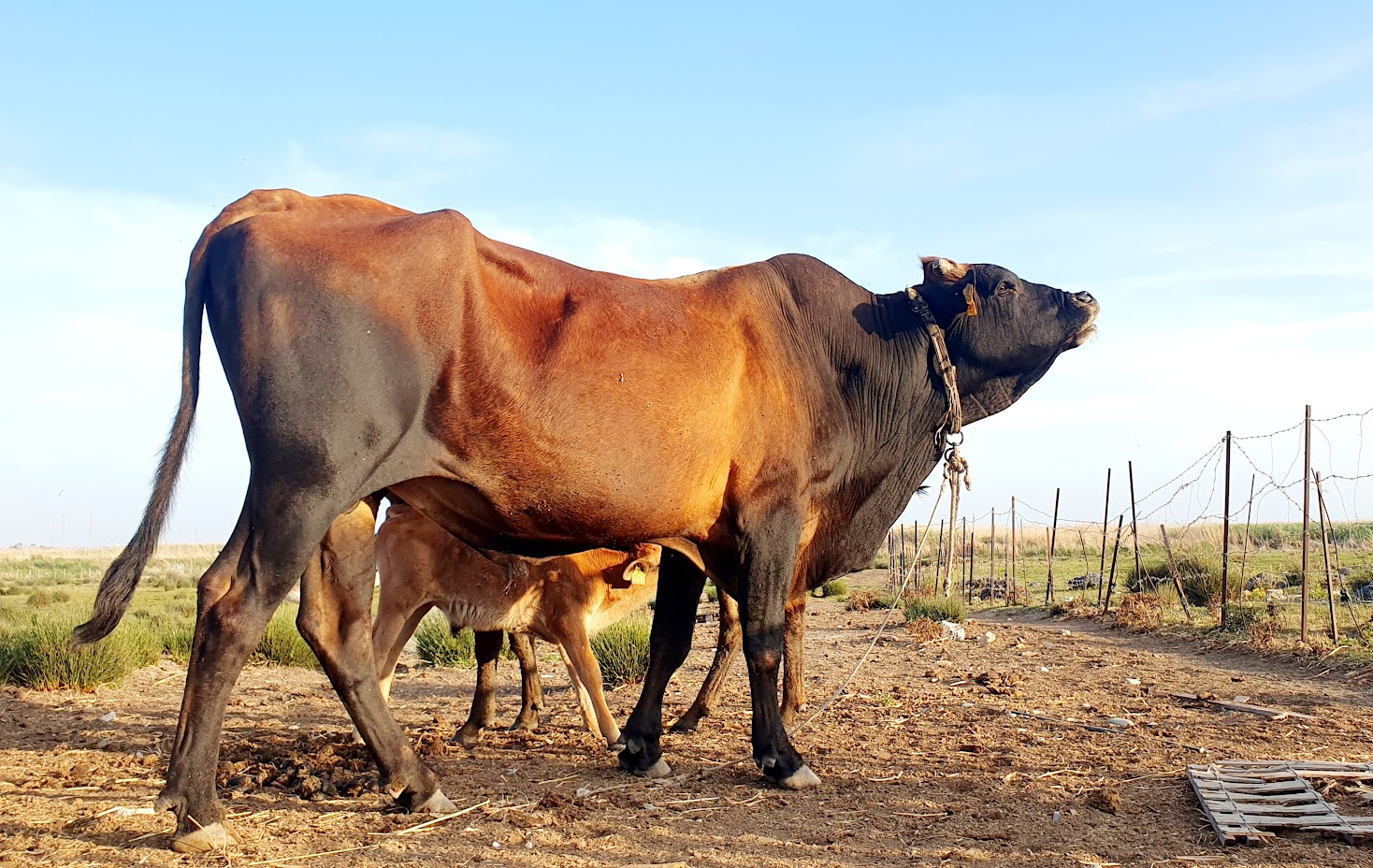
A court in the north on Tuesday remanded three people in custody on suspicion of trading in cattle infected with foot-and-mouth disease.
According to Turkish Cypriot media, a court in Famagusta ordered the three suspects remanded in custody for four days. One of the suspects is reportedly a Greek Cypriot.
The suspects are said to be involved in illegally transporting nine cows from the south to the north.
Media in the north said the first tests on the seized cattle showed traces of foot-and-mouth disease.
Blood samples have been sent on to Turkey for further tests.
The allegedly infected animals were located in the area of Acheritou.
Authorities in the north are currently investigating an outbreak of foot-and-mouth in cattle in at least two livestock units.
Four cases of the disease have been confirmed in Lapithos.
According to the Turkish Cypriot veterinarians’ association, the first outbreak was detected last Monday at a farm in the Famagusta district village of Ayios Sergios.
The association confirmed that affected animals were quarantined and vaccinated, the farm and other facilities disinfected and movement restricted.
Last Tuesday, Ankara’s Foot and Mouth Research Institute reported four further cases at a livestock unit in Lapithos.
The north’s ‘agriculture minister’ said the area has since been quarantined, with animal movement prohibited. Approximately 13,000 animals, including cattle, sheep and goats, would be vaccinated to prevent further spread.
No outbreak has been confirmed in the British Sovereign Base Areas (SBA) or in the south. However, the SBA announced last week that precautionary disinfection measures have been implemented at the Pergamos and Strovilia crossing points to reduce potential transmission.
Experts from the EU Commission’s veterinary emergency team have arrived in Cyprus to investigate the outbreak in the north.
Foot-and-mouth disease is a viral infection that affects cattle, pigs, goats and sheep. Infected animals usually recover but may lose weight and experience reduced milk and meat production.
The disease is highly contagious among animals. Though transmissible to humans, it crosses the species barrier with difficulty and with little effect.





Click here to change your cookie preferences