
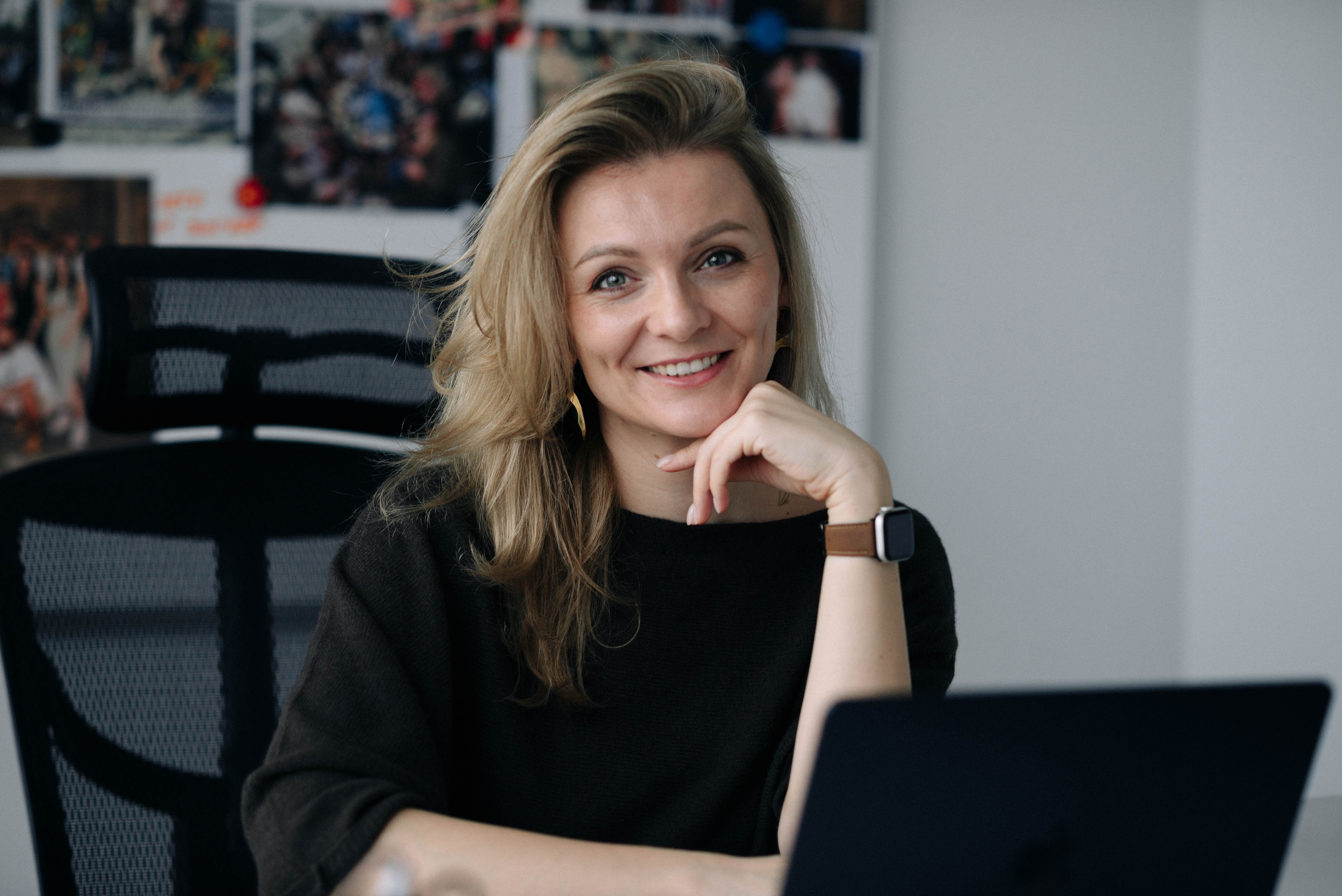
How soft skills, self-awareness and leadership shaped an unlikely path into IT
A little over five years ago, Antonina Zinovenko, now manager of art department at Wargaming, stepped away from media and advertising and into IT, carrying no technical background whatsoever, only her organisational strength, communication skills, an ability to multitask and the management experience she had gathered in a completely different industry.
As she recalled, “When my first manager introduced me to the team, he literally said ‘Antonina is our experiment.’ And he was right: at that time I truly looked like the least typical IT-candidate. For me, it felt like a challenge and an adventure. And I absolutely love challenges.”
Today she leads an art team of more than 120 people.
She considers herself living proof that a career in IT can grow out of soft skills as long as it is paired, as she put it, with “psychological maturity, responsibility and a constant readiness to learn.”
She remains convinced that “professional growth is impossible without personal growth,” and that both together shape someone’s impact in a fast-evolving technological environment.
Finding her footing in a male-dominated field
Reflecting on how she managed to establish herself in an industry where women are still under-represented, Antonina said that two experiences shaped her progress.
The first was learning not to fear questions, even the most basic ones.
“I think two things played a major role for me,” she explained.
“The first was not being afraid to ask questions, and not being afraid to look silly.”
Entering a new field destabilises even the most confident professionals, she added, and for her, “My imposter syndrome was extremely strong.”
During her early months at Wargaming, she kept a notebook full of unfamiliar terminology. She wrote down every concept she didn’t understand, she said, and “Some things I Googled later, some I asked my manager about, and some I asked colleagues to explain.”
What surprised her was how readily people responded when approached with genuine curiosity.
“When you approach people with genuine curiosity and a desire to understand, they’re more than willing to take markers, draw diagrams on a board and walk you through everything.”
She added that she had been fortunate in her colleagues, who consistently shared knowledge, and she believes “our company has a strong culture of mentorship: people share what they know very willingly if you simply ask.”
Equally important, she added, was learning to accept herself rather than forcing an identity that didn’t fit.
“The second thing that helped me grow was accepting who I am,” she said. “No, I’m not a technical specialist, but I love working with people, I see their strengths and I can organise anything.”
When she joined the industry, she admitted, she carried a “mental block”:
“Everything you did in advertising and journalism stays in the past. Now you work with very serious people, in a very serious company, so you must be very serious too.”
However, she soon realised the role she was performing was artificial.
“Naturally, after a couple of months I realised that this artificial role wasn’t mine,” she said. “And the moment I allowed myself to just be myself changed everything.”
A New Year project with the DevOps team captured that shift. She had suggested producing a holiday video, she explained, and “The team leads were… not thrilled.”
When they discovered they would have to appear early in the morning, “wearing sweaters with reindeer and delivering short speeches,” they joked “Cursed be the day you joined our department.”
Still, as she told it, they all showed up, prepared and willing, and “we recorded a fun, warm video.”
That day, she added, was the first time she truly felt at home.
“I think that’s when I first felt: this is exactly my place,” she said.
For her, this sense of place “isn’t defined by your industry: IT, media, or anything else. It’s defined by the people around you and by how naturally you feel in your own skin within that environment.”
The soft skills she now sees as essential
When asked which soft skills matter most for women aspiring to build long-term management careers in IT, Antonina noted that she speaks from her own early journey, not from decades of experience.
“I’ve been in IT a little over five years,” she said, “but based on my own path and observing truly impressive female colleagues, I would highlight three things.”
She began with self-management, explaining that “You can’t manage others well if you can’t manage yourself.”
This, she clarified, is not simply a matter of schedules or productivity.
She meant “conscious awareness of your role,” including the ability to distinguish personal from professional, to recognise early signs of burnout, and to pause before it affects the team.
It also requires, she said, “honesty about your strengths and weaknesses, without hiding behind processes or circumstances.”
As she continued, emotional resilience emerged as another anchor of leadership. She described management as deeply human work: “empathetic, sensitive, making decisions daily, having tough conversations, resolving conflicts, handling dismissals, setting goals.”
Meanwhile, every manager, she added, navigates their own emotional landscape privately. She has explored this topic herself and spoken to colleagues about how they cope.
“Everyone handles it differently: some see a psychologist, others find relief in sports or hobbies.”
However, the essential point is consistency.
“The key is to return by Monday recharged,” she said, able to confront conflict, remain level-headed in meetings, support colleagues, and maintain professionalism even during personal struggle.
As she put it, “In leadership you don’t have the luxury of inner chaos, people expect clarity, stability and grounding from you.”
For her, resilience “isn’t about ‘not feeling’; it’s the ability to process your emotions, understand them and quickly return to a resourceful state.”
The final thread, she said, is personal responsibility, not as a technique but as a habit.
“I’ve been very lucky with my managers throughout my life,” she said. Although they differed in temperament, “they shared one thing: a very high level of personal responsibility.”
This became her internal benchmark, a standard she now tries to embody. “It’s a trait that builds trust and, in the long run, becomes a manager’s most valuable capital,” she explained.
Managers with this instinct, she added, are instantly recognisable: “they are predictable, reliable, they keep their word, and, importantly, they can admit mistakes.”
Most of all, they follow things through “because they see the result as part of their professional identity.”
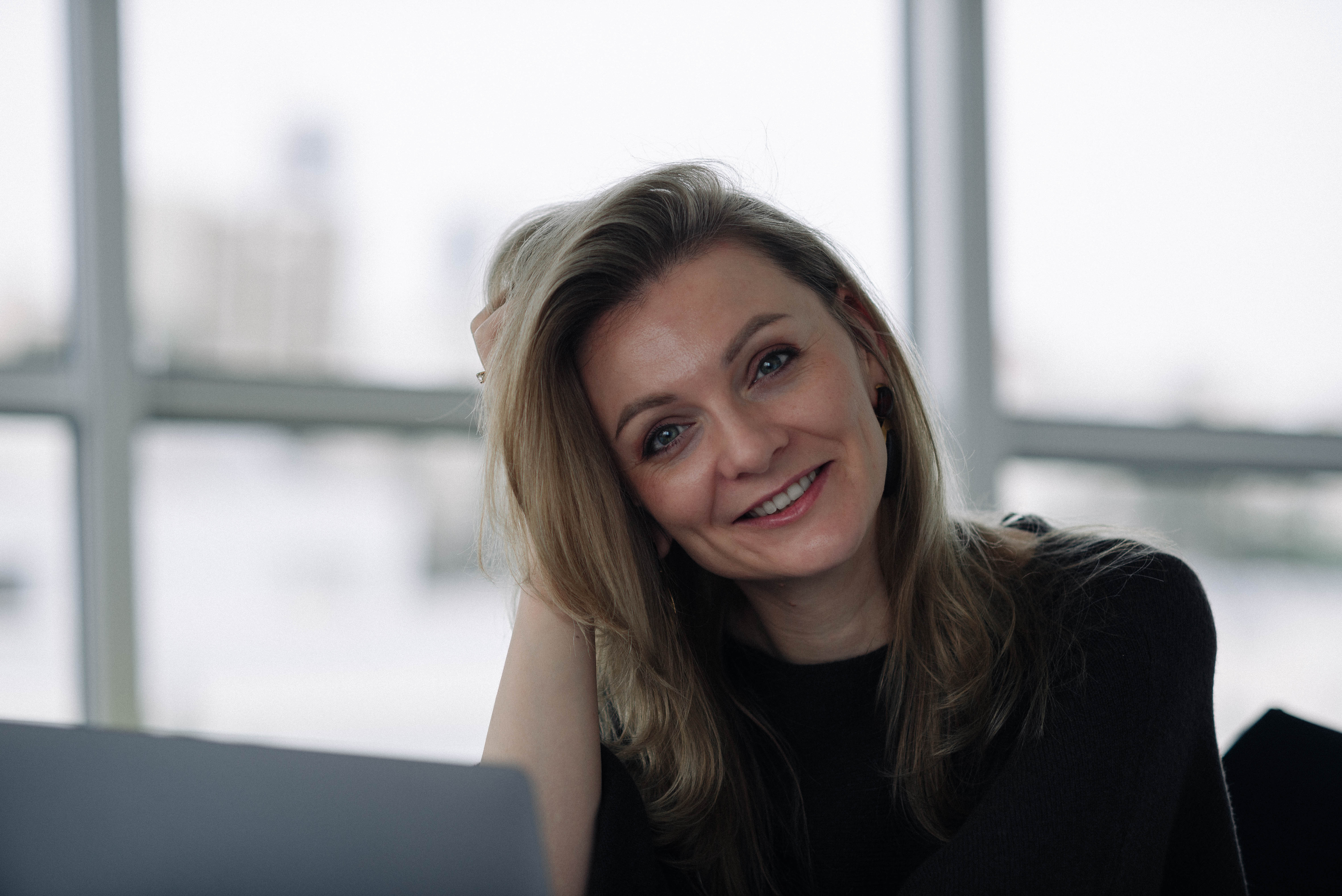
A new rhythm in Cyprus
Having experienced several professional environments, Antonina believes Cyprus offers something distinct. “Cyprus has a very unique pace.
It’s soft, but not slow, I’d call it healthy,” she noted.
She recalled a conversation with colleagues about how locations influence team moods, and when Cyprus came up, “everyone agreed, this place naturally creates the balance people need.”
Her own grounding often comes during long mountain hikes. “Nothing relaxes and resets my mind like hiking in the mountains,” she said.
She has “a wonderful circle of women” with whom she takes demanding routes filled with fresh air, conversation and emotional release. Even after three years on the island, she added, “there are places so beautiful they bring tears to my eyes.”
She feels deeply grateful, she said, both for the energy Cyprus gives her and for the way Cypriots have taught her to slow down, “to live in the moment, not rush, enjoy right now: to fly kites on Green Monday or drink coffee on the beach in January while watching the winter sea.”
The principle that carries her through
Through all the changes and challenges, Antonina has held on to a single principle. “If I had to condense everything that truly helped me move forward into one principle, it would be this: ‘Be honest with yourself and with the situation.’”
She explained that this honesty requires acknowledging emotions, recognising limits, naming problems clearly, and refusing to cling to illusions.
Her work, she noted, revolves around people, “emotions, conflicts, growth crises, fears, ambitions and personal stories.”
And in difficult periods, “seeing reality as it is, not as I wish it were,” is what restores clarity.
“When you honestly acknowledge what is happening, inside you, inside the team, within the process, clarity appears. And when there is clarity, solutions appear.”
She entered IT, she reminded me, “as an ‘experiment,’” but stayed “because I found my work, my people and my professional identity.”
Looking ahead, her message to others is simple but direct. “If you have a talent, any talent, whether it’s drawing with heart, writing code with excitement, or knowing how to lead people and help them grow, IT is open to you. In my opinion, this industry welcomes those who bring passion, dedication and craft.”



Click here to change your cookie preferences