
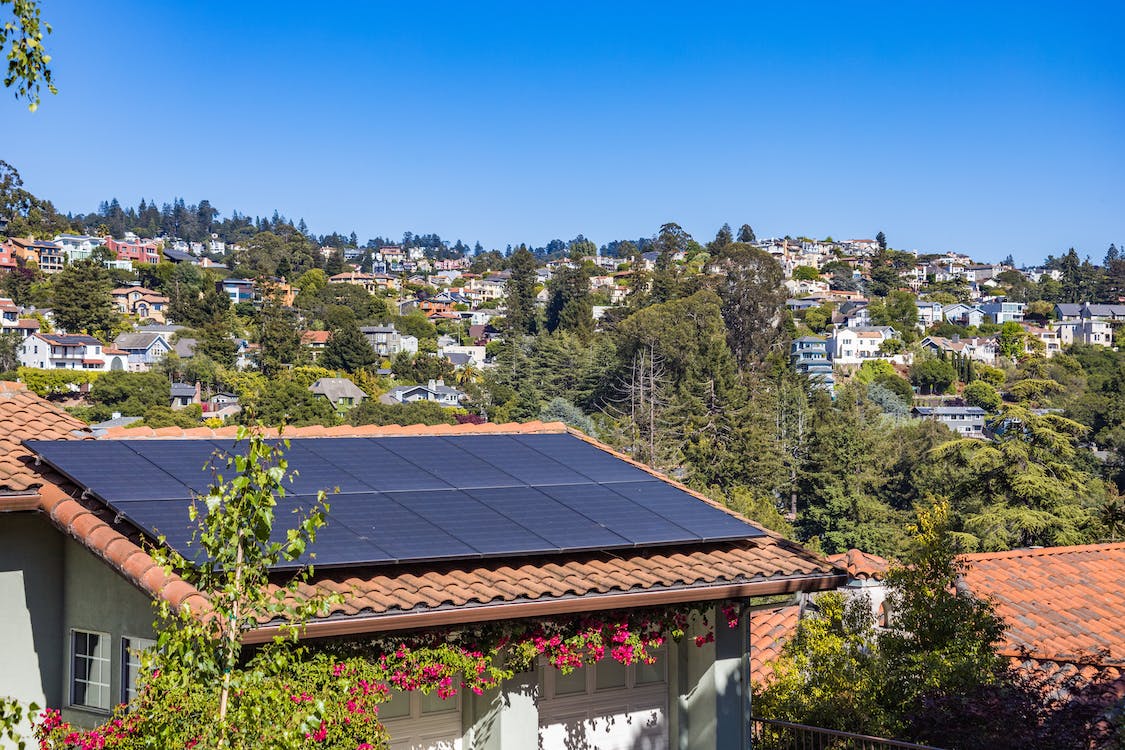
The deadline for applying for a solar panel based on net metering expires on Wednesday, the last day of the year, after which the system will switch to net billing.
Using net billing homeowners are paid a wholesale rate – lower than retail – for excess solar electricity they feed into the grid. In contrast to net metering, which credited homeowners 1:1 for exported energy, net billing separates energy sold from energy purchased.
The result is that solar panel users get compensated less for surplus production but can earn more by using solar energy and storing leftover power.
The switch to net billing will happen due to grid overload. The smart-meter rollout and booming PV uptake created a problem – about 145 GWh of surplus solar was rejected in early 2025.
Net billing is intended to address this strain by incentivising storage rather than grid dumping.
The government is also phasing out solar panel subsidies – the subsidies will end effective December 31. This compensates homeowners who can still get battery support under net billing.
As of January 1, 2026, all new systems switch to net billing. Existing net metering systems remain under old terms until their contracts expire.
From January 1, 2026 homeowners can seek battery subsidies under the new net billing incentive.
The last date for applying for solar panel with net metering is December 31. Any applications for solar panels filed after that date will come under the new net billing system.
Phileleftheros reports that right now pending applications number around 4,000. The Electricity Authority of Cyprus has promised to examine the applications as swiftly as possible.
The daily said that around 81,000 dwellings are currently fitted with photovoltaic systems.
This corresponds to approximately 16 per cent of all households.
The last census, carried out in 2021, found a total of 491,000 dwellings.
In reality, the percentage of households with solar panels is likely lower than 16 per cent – given that the 81,000 dwellings cited concerns data up to September this year, while the number of dwellings has obviously grown since the 2021 census.





Click here to change your cookie preferences