
There’s a whole year of screen time to look forward to...
2025 has been a surprisingly good year for the cinema industry, both commercially and artistically, giving many hope that perhaps it has finally found its footing and entered a long-awaited redemption arc.
Whatever the case, the slate for 2026 is stacked, so here’s a list to help you mark your calendars.
28 Years Later: The Bone Temple (January 16)
The second chapter in Danny Boyle’s return to his iconic horror universe continues the story in a world that hasn’t collapsed after the infection, but has instead adapted to it. Ralph Fiennes returns in a Britain ravaged by the virus and quarantined by the rest of Europe. He reprises his role as Dr Kelson, a doctor turned religious figure in the wasteland. The film also follows Spike, a young survivor pitted against both a horde of infected and a gang of psychopathic human survivors.
Project Hail Mary (March 20)
Ryan Gosling stars as Ryland Grace, a man who wakes up alone on a spaceship with no memory of who he is or why he’s there. Slowly, through fragmented flashbacks, he pieces together his mission and makes a startling discovery aboard the ship, one that could determine the fate of humankind itself.
The Devil Wears Prada 2 (May 1)
Fashion fans rejoice: the Queen returns. Meryl Streep returns as Miranda Priestly in a world that no longer fears editors-in-chief. Print is dead, digital reigns supreme, and influence is measured in clicks rather than clout. Miranda is forced to adapt or fade away as she faces competition from a former employee, played by Emily Blunt, who successfully transitioned into the digital era and is now hailed as the future.
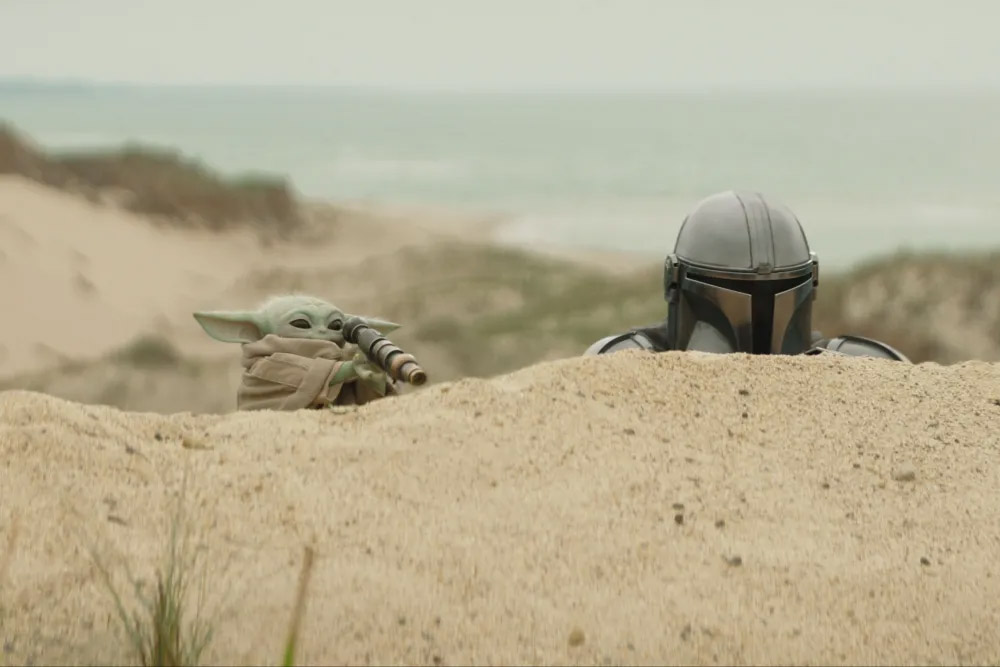
The Mandalorian & Grogu (May 22)
The first of Disney’s major tentpole projects for 2026 sees Pedro Pascal’s Din Djarin transition fully into theatrical territory. As Grogu’s importance grows, so do the stakes, pulling Din into a much larger galactic conflict. What began as a quiet bounty-hunter story evolves into full-blown myth, forcing Din to choose between anonymity and responsibility.
Disclosure Day (June 16)
Steven Spielberg returns to the UFO genre, this time exploring a question most alien-invasion films ignore: how would people actually react?
Set over the course of a single day, Disclosure Day follows an ordinary individual navigating the immediate aftermath of global confirmation that non-human intelligence exists. The film focuses on societal fracture rather than invasion: panic, denial, belief and exploitation colliding in real time. The threat isn’t aliens; it’s the truth.
Supergirl (June 26)
A collective sigh of relief was reportedly heard across DC Studios after the success of Superman, effectively launching the new DCU. Once the dust settles, the question is: what’s next?
Milly Alcock stars as Kara Zor-El, a Kryptonian who remembers the destruction of her home world rather than learning about it as legend. Traumatised and adrift, Kara numbs the pain with drinking and debauchery – but once a superhero, always a superhero. Keep an eye out for Jason Momoa, who appears as Lobo, the galactic bounty hunter he seems genetically engineered to play.
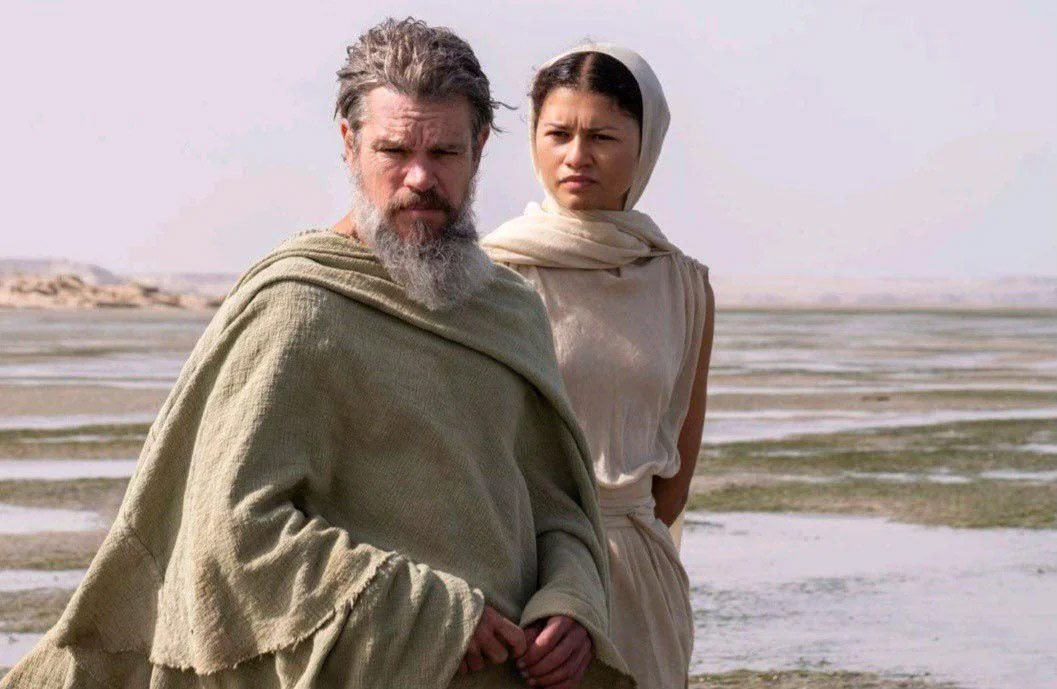
The Odyssey (July 14)
Christopher Nolan’s epic The Odyssey stars Matt Damon as Odysseus, returning from the Trojan War only to face a brutal journey home filled with temptation, punishment and divine interference. Each victory strips away another illusion of heroism. This adaptation leans into Odysseus as a flawed survivor, emphasising cunning, endurance, and the moral cost of survival.
Spider-Man: Brand New Day (July 31)
Marvel brings out the big guns in 2026 in a clear attempt to stabilise the MCU as the DCU gains momentum. Spider-Man has always been the tip of the spear. Tom Holland’s Peter Parker begins again with no one remembering who he is: no mentors, no safety net. The film focuses on Peter rebuilding his life from scratch while remaining Spider-Man in a city that doesn’t know him.
Clayface (September 11)
Set in the Batman universe, Clayface centres on Basil Karlo, a former actor whose body and identity collapse after a catastrophic transformation. Framed as a tragic character study rather than a standard villain origin, the film explores fame, obsession and self-erasure through body horror and psychological decay.
The Hunger Games: Sunrise on the Reaping (November 20)
Time for some good old IP mining. The Hunger Games was a massive success, Jennifer Lawrence grew up, so naturally it’s prequel time. Set in the earliest days of the Games, the story follows a young tribute before the spectacle became polished entertainment. The focus is on normalisation: how people justify, tolerate and eventually accept atrocities.
Narnia: The Magician’s Nephew (November 26)
Another prequel, and the first entry in a multi-film and series deal with Netflix, helmed by Barbie director Greta Gerwig. The film tells the story of Digory, a boy in early-1900s London who embarks on a journey across multiple worlds while searching for his friend Polly and unknowingly witnesses the birth of Narnia itself.
Avengers: Doomsday (December 18)
When everything else fails, bring Downey back.
The MCU has been flailing for years, bouncing from one mediocre entry to the next. It was time for a rebrand, time for a soft reboot. Robert Downey Jr returns – not as a hero, but as a villain. Dr Doom unleashes an unprecedented threat, forcing every superhero to unite, including the original X-Men and a now-retired Avengers roster. Packed to the brim with talent, Avengers: Doomsday is already tracking to be the biggest box-office event of the year.




Click here to change your cookie preferences