
Fire department urges safety checks by authorities and the public
In the aftermath of the New Year’s Day ski-resort bar fire in Crans-Montana, Switzerland, which claimed the lives of 40 people and injured 116, Cyprus’ fire service has issued a renewed warning to the public and entertainment venue operators, urging heightened vigilance and stricter adherence to fire safety measures.
On Saturday January 3, just two days after the incident, the service released a public safety video on Facebook, highlighting the risks posed by inadequate escape routes and deficiencies in fire safety provisions in night spots.
The video opens with images of a fire-ravaged interior, with ash-covered floors, a shattered disco ball and extensive structural damage, before fading to a contrasting scene of a woman getting ready for a night out.
As she and her partner enter a nightclub, the video freezes on their smiling faces and poses a direct question to viewers: “are there emergency exits, accessible staircases, emergency lighting?”
“If not,” the video warns, “leave immediately, you are in danger!”
Two days later, fire service spokesperson Andreas Kettis appeared on TV to reiterate the authority’s warning, reflecting the reality and risks facing Cyprus “in the shadow” of the Crans-Montana incident.
“It’s tragic, what we’re seeing these days, and especially during the holidays,” he said, highlighting the need for entertainment venues to be constructed with non-flammable materials and to provide adequate escape routes.
Referring to the Swiss case, he added that, based on available information, “none of these have been observed.”
“We’re talking about young kids, and unfortunately, as the fire service, we are being proven right regarding our intense concerns and the strictness we maintain on fire safety matters,” Kettis said.
He explained that while the fire service is responsible for inspecting fire safety conditions and submitting recommendations when requested, construction and operation permits are issued by provincial and local authorities.
“We want legislation to be passed that requires management committees, or anyone responsible for these premises, to present certification from an authorised inspector verifying that all measures are in place,” he said.
Kettis stressed that compliance must extend beyond inspections.
“We are intense because we know the risk. Both patrons and owners must also be aware of the risk,” he said, citing an example of how furniture being placed in front of an escape door or locking it after inspection can nullify safety measures.
“The fire won’t spare you, and it’s not the flames themselves that will harm you. From just two breaths, you’ll burn your lungs, and that’s the end,” he warned.
What happened in Crans-Montana
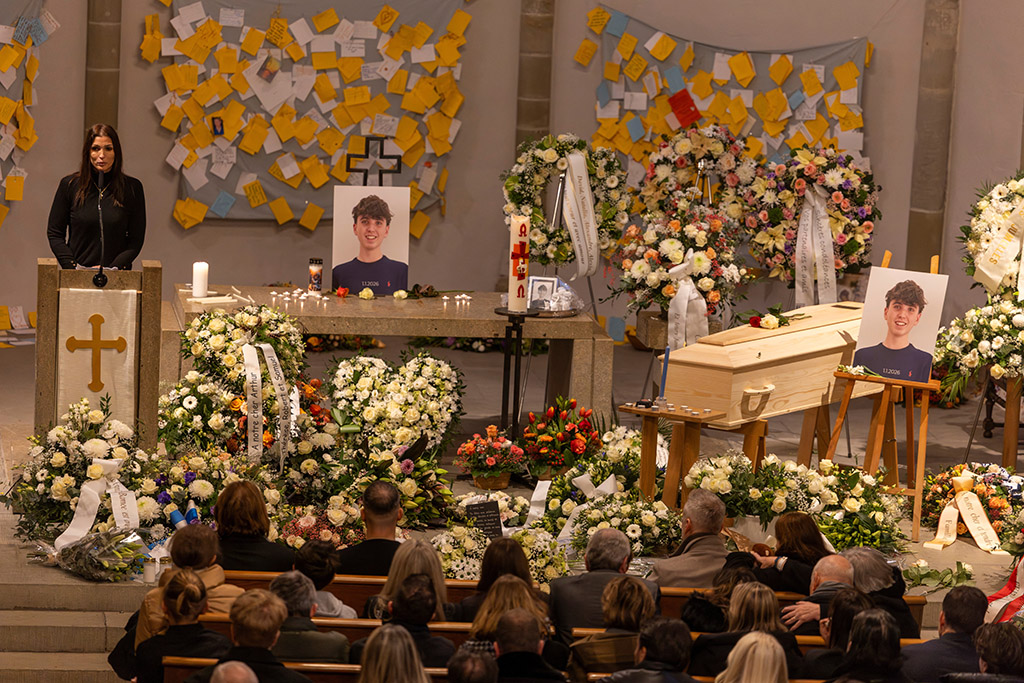
The tragedy that prompted the fire service to intensify public awareness efforts, took place at Le Constellation bar in the Crans-Montana ski resort. The fire broke out in the early hours of January 1, during New Year’s celebrations, with over one hundred people inside.
Swiss authorities believe the fire likely started when lit “fountain candle” sparklers on champagne bottles came in contact with the acoustic foam-clad ceiling, a material which Swiss regulations prohibit leaving visible.
Attempts to extinguish it by striking the ceiling with clothing failed. Smoke billowed from the entrance and seconds later, flashover occurred.
As the fire spread, people in the basement nightclub attempted to escape via a narrow staircase and a small door. The speed of the blaze prevented access to emergency exits, causing congestion at the main one.
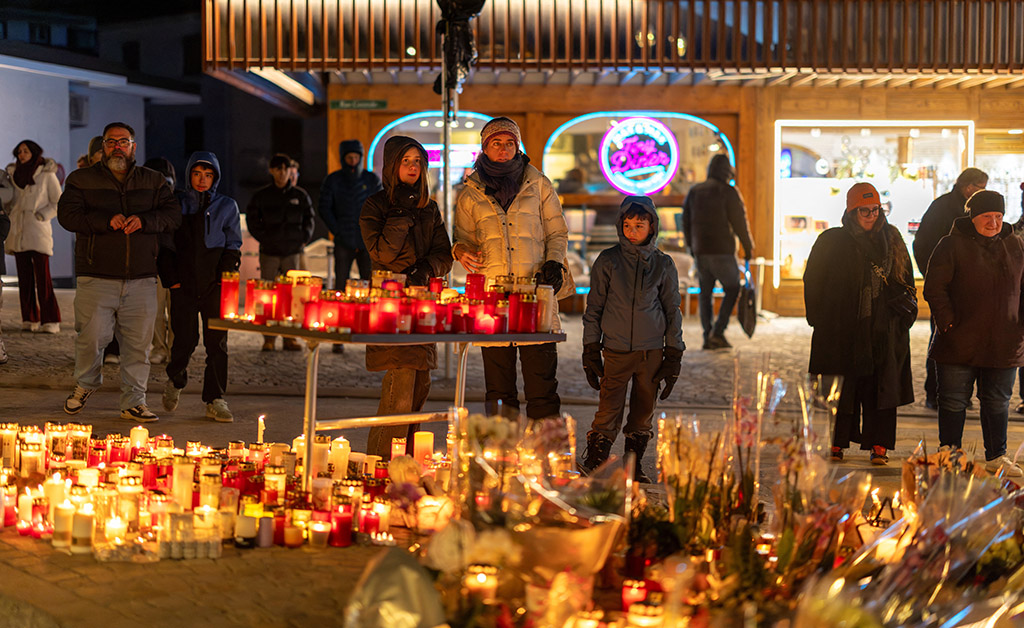
The consequences were devastating. Forty people were killed and 116 others injured, many of them severely, with numerous victims burned beyond recognition.
The scale of the injuries pushed intensive care units in Valais to capacity, forcing the transfer of patients to hospitals elsewhere in Switzerland and to other European countries.
Survivor accounts raised questions over whether the basement emergency exit was accessible at the time, while broader safety compliance concerns, including exit blockages and unauthorised renovations, have prompted a criminal investigation against the bar owners.
Safety compliance in Cyprus venues
While Cyprus has not seen an incident comparable to Crans-Montana, concerns over fire safety compliance and regulatory oversight in entertainment venues persist.
Nationwide nightclub inspections in September 2024 exposed widespread violations, including 20 unlicensed venues, illegal alcohol sales, noise breaches, as well as equipment seizures in Paphos, highlighting lax oversight in popular nightlife spots.
More recently, in April 2025, the Audit Office reported that authorities had overlooked a Nicosia event venue operating without an approval certificate for 19 months. The venue hosted weddings, parties and performances by major artists to large crowds, leaving public health and safety unguaranteed.
Construction began illegally in 2018 without permits and was completed in 2020. Town planning and building permits were only granted in 2023, for use as an event venue and film studio.
Yet the venue continued to operate as a nightclub, failing permit conditions and lacking the required approval certificate, despite officials tolerating its operation after a complaint-triggered inspection revealed irregularities.
Auditor-general Andreas Papaconstantinou had described it as a textbook case of unauthorised building, criticising retroactive permits that burden the state with costs, undermine fair competition for compliant businesses, and set dangerous precedents.
He also highlighted the deputy tourism ministry’s erroneous issuance of a restaurant licence before a building permit, a practice he said appears to be systematic, and stressed the state’s full responsibility to protect unaware patrons.
“The lack of decisiveness in taking firm action leads inevitably to faits accomplis and puts officials and civil servants in impossible dilemmas when it comes to finding remedies,” he said.
Cases like these are not isolated. As it appears, safety regulations are not always fully observed, and while some owners may take shortcuts or prioritise cost over compliance, authorities do not always catch every lapse. As a result, individual responsibility remains crucial.
Awareness of emergency exits, adherence to safety measures, and exercising careful judgement in potentially risky situations, as the fire service emphasises, can make the difference between a safe night out and a disaster.




Click here to change your cookie preferences