
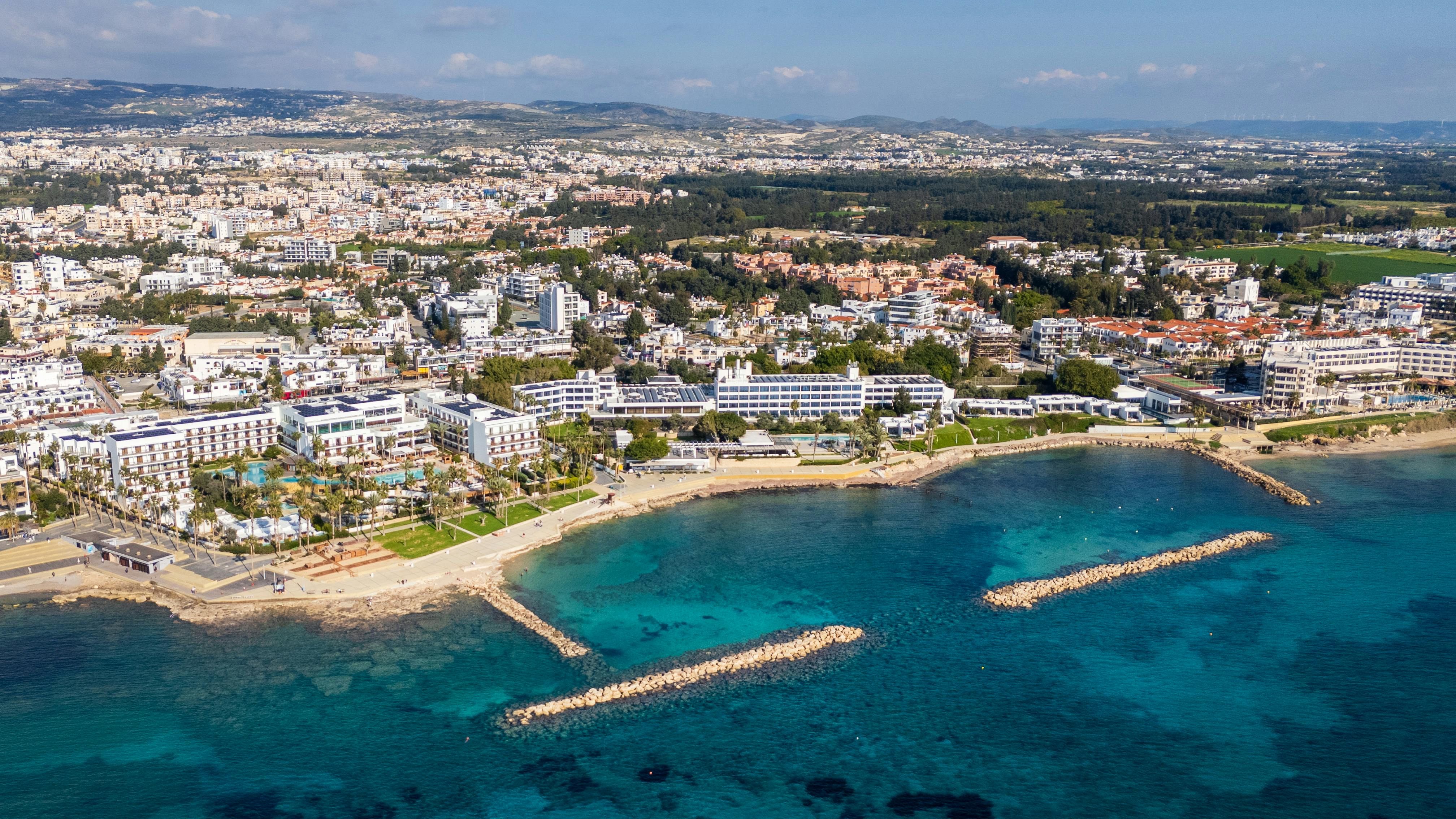
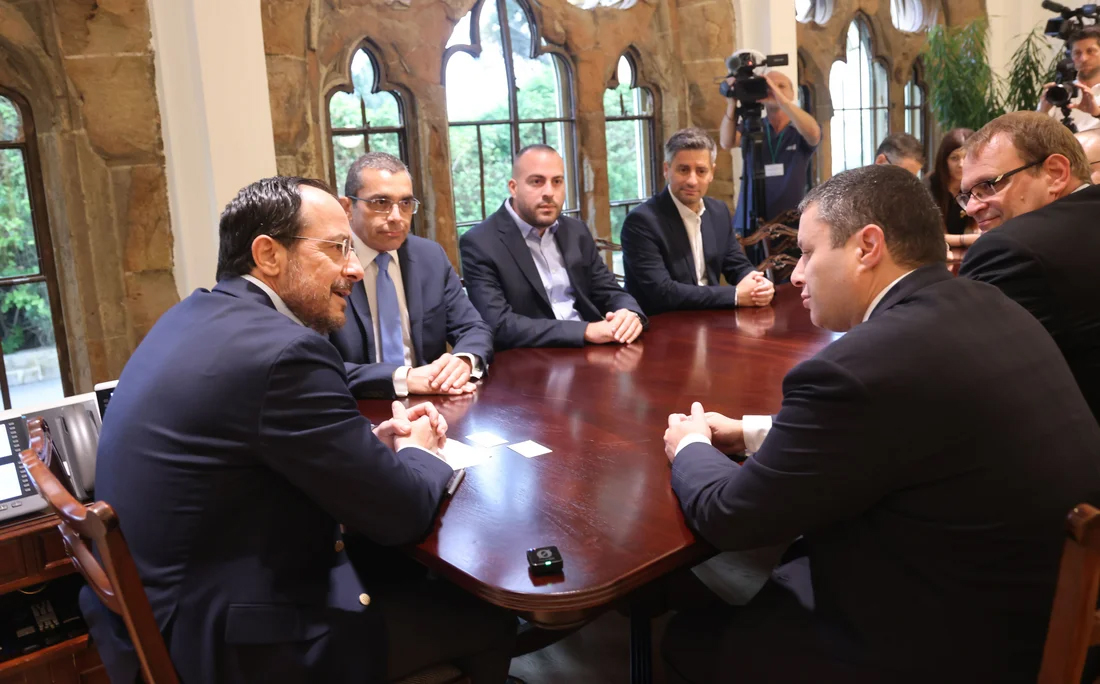
Cyprus’ tourism strategy for the new year, the challenges facing the sector and Paphos’ decisive contribution to overall performance were discussed on Monday during a meeting between Deputy Tourism Minister Kostas Koumis and local bodies in the Paphos district.
Addressing stakeholders, Koumis described 2025 as the best tourism year in Cyprus’ history, stressing that the Deputy Ministry’s primary objective is to safeguard the continuity of this success.
A key prerequisite, he said, remains the delivery of an excellent tourism experience for all visitors.
Against this backdrop, Koumis presented the Ministry’s plans and new initiatives for the year ahead, while also inviting proposals aimed at tackling long-standing issues.
As he noted, ensuring smooth operation across individual destinations is critical, explaining that quality services depend on close and ongoing cooperation throughout the tourism ecosystem.
“What is important is that the individual destinations of our country continue to operate smoothly and offer quality services. For this reason, we seek continuous communication not only with local authorities but with everyone involved in the tourism ecosystem,” Koumis said.
He made specific reference to Paphos, emphasising its substantial contribution to the island’s tourism performance. Arrivals to the city and district exceeded 30 per cent, in line with expectations, he said, playing a decisive role in the sector’s overall success.
Koumis pointed to a new set of challenges, extending beyond tourism alone.
Chief among them, he said, is climate change, which requires collective assessment and coordinated responses.
Responding to questions regarding potential shortcomings by local authorities, the Deputy Minister said “no such gaps had been identified, reiterating that maintaining high standards of tourism services remains a priority.”
He added that during each visit, the Ministry evaluates destinations across ten individual criteria to assess the overall visitor experience.
Koumis also addressed the long-awaited Paphos marina, saying the timetable announced for the project is being followed faithfully.
Contract signings are expected in the first months of 2027, he said, adding that no time has been lost and that strong investor interest has been recorded, a development he described as particularly encouraging.
From the local authority side, Paphos mayor Phedonas Phedonos characterised 2025 as a “satisfying year”, noting that current data point to a positive outlook for future tourism planning in the region.
This trajectory, he said, must be sustained through careful and forward-looking planning.
In his remarks, Phedonos stressed the need, from 2026 onwards, to shift the focus away from volume and towards quality.
“Quality is the secret of our further success and not so much quantities,” he said, adding that while minimum visitor numbers are necessary to ensure the sustainability of infrastructure and accommodation, attracting higher-spending, quality tourists is equally important.
At the same time, the mayor called for close involvement and monitoring by the Deputy Ministry of Tourism on three key projects expected to commence in 2026 within the Paphos district, the marina, the road linking the tourist area to the airport, and the completion of the airport’s expansion.
He referred pointedly to scenes recorded at Paphos airport in 2025, describing them as “shame”, with tourists forced to wait in long queues amid temperatures reaching 40 degrees celsius, conditions he said must not be repeated.
Concluding, Phedonos said the Deputy Minister must apply the necessary pressure to ensure that 2026 marks the beginning of project implementation, rather than yet another year dominated by planning and delays, as has occurred over the past decade or more.

Click here to change your cookie preferences