
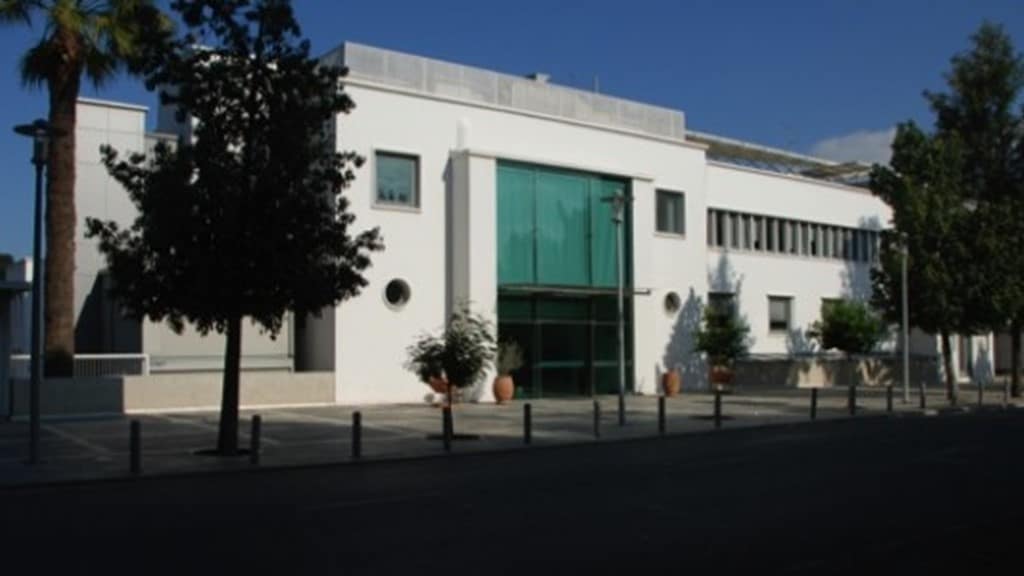
The House refugee committee has requested that the Turkish Cypriot property management service director submit the points used for allocating TC housing and business premises, citing transparency concerns, committee chairman Nikos Kettiros said.
After Tuesday’s committee meeting on housing allocations and farm subsidy delays, Kettiros said they invited the TC property management service to explain the new points system for homes and commercial premises.
Specifically, the committee asked for a points allocation catalogue, showing how points were awarded, who got houses, and why others missed out, ensuring public awareness.
“Transparency is something that will help build public trust”, Kettis said, adding that applicants will receive serial numbers from the next publication so results can be published, letting everyone know their points and top beneficiaries.
Kettiros said MPs had also identified serious issues surrounding commercial premises, particularly sharp rent increases that risk undermining business viability. While stressing that artificially low rents were unfair to other displaced persons, he said some cases had gone to the opposite extreme.
The committee also reviewed the status of agricultural subsidies for farmers cultivating TC land. According to Kettiros, the commissioner of the Cyprus Agricultural Payments Organization (CAPO) confirmed that all eligible subsidies had been paid.
However, he warned that new European Union requirements now demand written agreements to be submitted both to CAPO and the EU, creating uncertainty for future payments.
“Despite the fact that these crops have been paid for, there is no approval from the European Union,” he said, adding that immediate adjustments were needed to ensure farmers do not lose subsidies for land they actively cultivate.
DIKO MP Zacharias Koulias raised a series of long-standing grievances linked to rent assessments, particularly in cases where refugees were allocated land rather than completed buildings and later invested heavily in developing the properties themselves.
He cited examples of refugees who built workshops or businesses on allocated land, only to later face rent demands that treated the buildings as state property.
“When they went and asked him for such rents when he only bought the land and built entire facilities inside it […] €1,700 is unthinkable,” Koulias said.
He also highlighted cases where refugees were granted dilapidated properties, invested hundreds of thousands of euros to restore them, often turning them into viable businesses or holiday homes, and were later faced with high rents or restrictions on use by their children.
“If the administration wants to take them, let them take them, but they have to pay to take them,” he said, referring to properties made habitable through private investment.
Asked whether the agency has the legal authority to negotiate rents, Koulias said such flexibility already exists and should be applied with common sense, charging rent for the land provided, but not for structures built entirely at the refugee’s expense.



Click here to change your cookie preferences