

Altegio sees AI and fintech driving the next SaaS phase
Altegio managing partner Yri Petrou recently spoke to the Cyprus Mail about the rapid international expansion of the company’s software-as-a-service (Saas) platform, its post-2022 strategic reset and the growing role of Cyprus in its global footprint, at a time when service-based businesses are accelerating their digital transformation.
Founded in 2022, Altegio has scaled quickly to serve more than 12,000 clients across 90 plus countries, processing around $1 billion in annual gross merchandise value, with a team of over 130 professionals operating from seven offices worldwide, including Limassol.
Drawing on more than 15 years of experience in developing software for SMEs and following two previous startup exits, Petrou explained how difficult geopolitical decisions shaped Altegio’s identity as an international platform, separate from its origins in Eastern Europe.
He also outlined why Cyprus has emerged as a key hub for the company, how local businesses compare digitally with other markets, and how automation, fintech integration and AI are redefining the future of service-based business models.
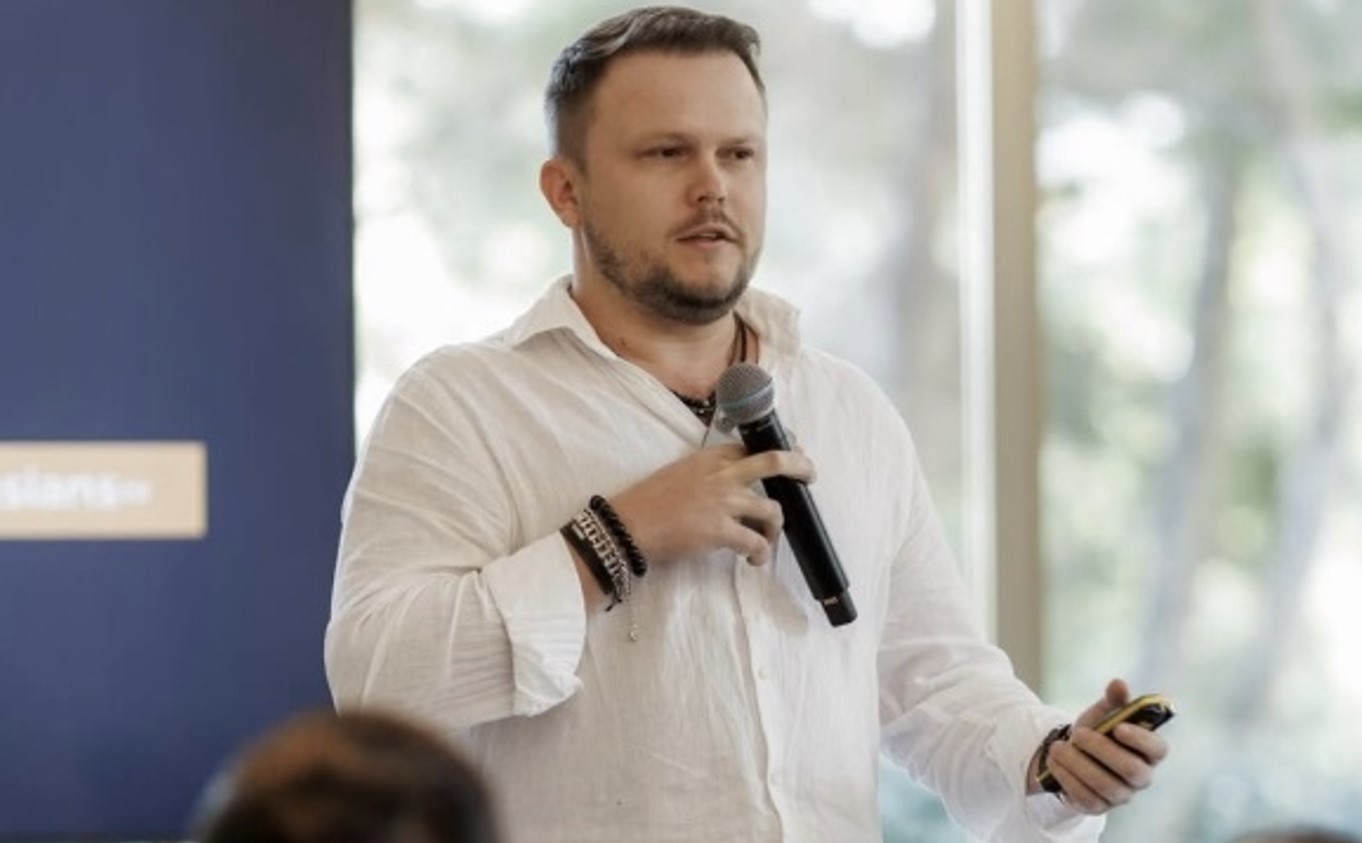
CM: Altegio has shown rapid growth since its launch in 2022, serving over 12,000 business clients in more than 90 countries and processing about $1bn in annual gross merchandise value (GMV). What helped the company scale so quickly?
Petrou: I have over 15 years’ experience developing software for small and medium-sized businesses (SMEs) in the service sector, with two successful startup exits. This experience gave me a strong foundation for building Altegio, and I believe we have avoided some of the mistakes made in the past, expanding into markets such as Cyprus, Eastern Europe and Brazil.
CM: You’ve spoken about Altegio’s separation from the Russian market after VK acquired YCLIENTS, a platform you founded. What were the most difficult operational and ethical decisions during that transition? And did the process help shape Altegio’s identity, which spun off from YCLIENTS, as an international platform?
Petrou: We built YCLIENTS before 2022 with a focus on Russian-related markets. When the war began, it became clear that the Russian part of the business had to be ring-fenced and prepared for sale. With Russia and our homeland, Belarus, generating over 80 per cent of YCLIENTS revenue, we also realised that the entire brand would eventually need to be sold. As a result, in 2022 we started moving our clients worldwide (but not Russian) to a new brand, Altegio.
The hardest decision was transferring our Ukrainian business to our local partners, giving them full control free of charge. Because Russia was our main market, many clients saw us as a Russian company and felt they could no longer work with us. We faced a stark choice: either leave Ukrainian clients without a mission-critical product during a time of crisis, or transfer the business to our partners in Ukraine. Even though it was a tough decision, four years on I have no regrets. Our partners have provided strong support to Ukrainian clients, confirming we made the right call.
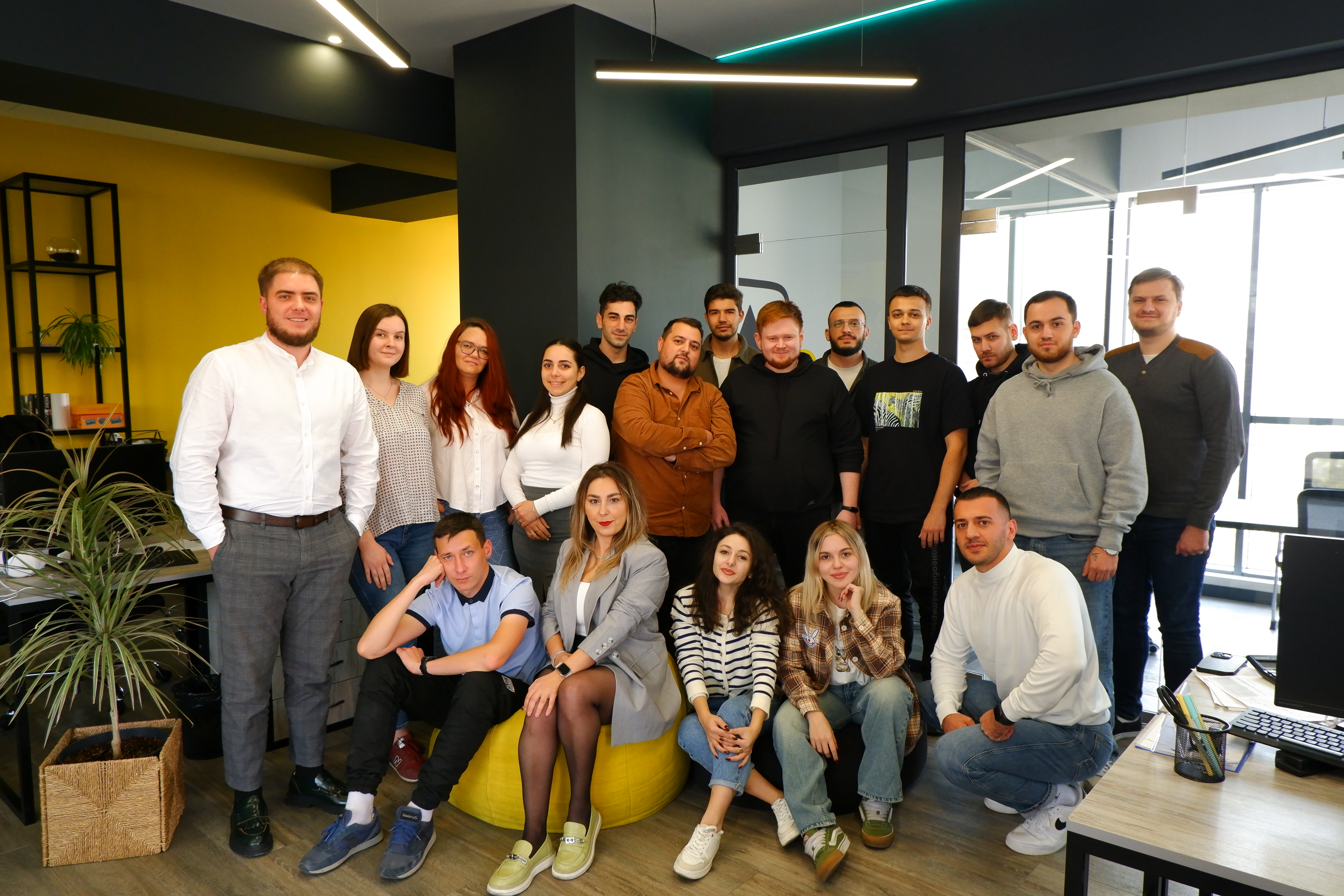
CM: What role does Cyprus, where one of your offices is based, play in your regional and global strategy? What advantages does Cyprus offer over other jurisdictions?
Petrou: Following the Belarus protests in 2020 and the Ukraine war in 2022, many entrepreneurs from Eastern Europe relocated to Cyprus. Today, we have 84 active clients in Limassol alone – more than in any other city of comparable size.
Strong networking opportunities are just one of several reasons we chose Cyprus as our financial hub. The country offers a favourable tax regime, accessible residency programmes for our founders, as well as clear legal requirements and an ecosystem of professional advisers.
Being based in Cyprus also allows us to comply with EU regulatory standards, facilitate payments to remote employees, and secure residency permits for our staff without major hurdles.
There are some challenges, of course; as Cyprus is not part of the Schengen Zone, business travel can be more difficult. Recruitment costs, too, are significantly higher in Cyprus than in Budapest, where we are headquartered.
CM: How do businesses in Cyprus in sectors like beauty, wellness, sports and healthcare differ in their digital habits and expectations from those in other markets you operate in, such as Hungary, Serbia or the UAE?
Petrou: Eastern Europe is more familiar to us than Western Europe; business practices, consumer habits, and payment tools vary only slightly. In Cyprus, Altegio is utilised by major brands in the very heart of Limassol. For us, this is a clear indicator of quality: digital maturity (the habit of using digital tools within a business) is higher here than in Israel or the UAE, for example. In more conservative markets, business owners still rely on non-specialised solutions, such as Excel. This remains a significant barrier to business growth, and it is a challenge we are actively working to change.
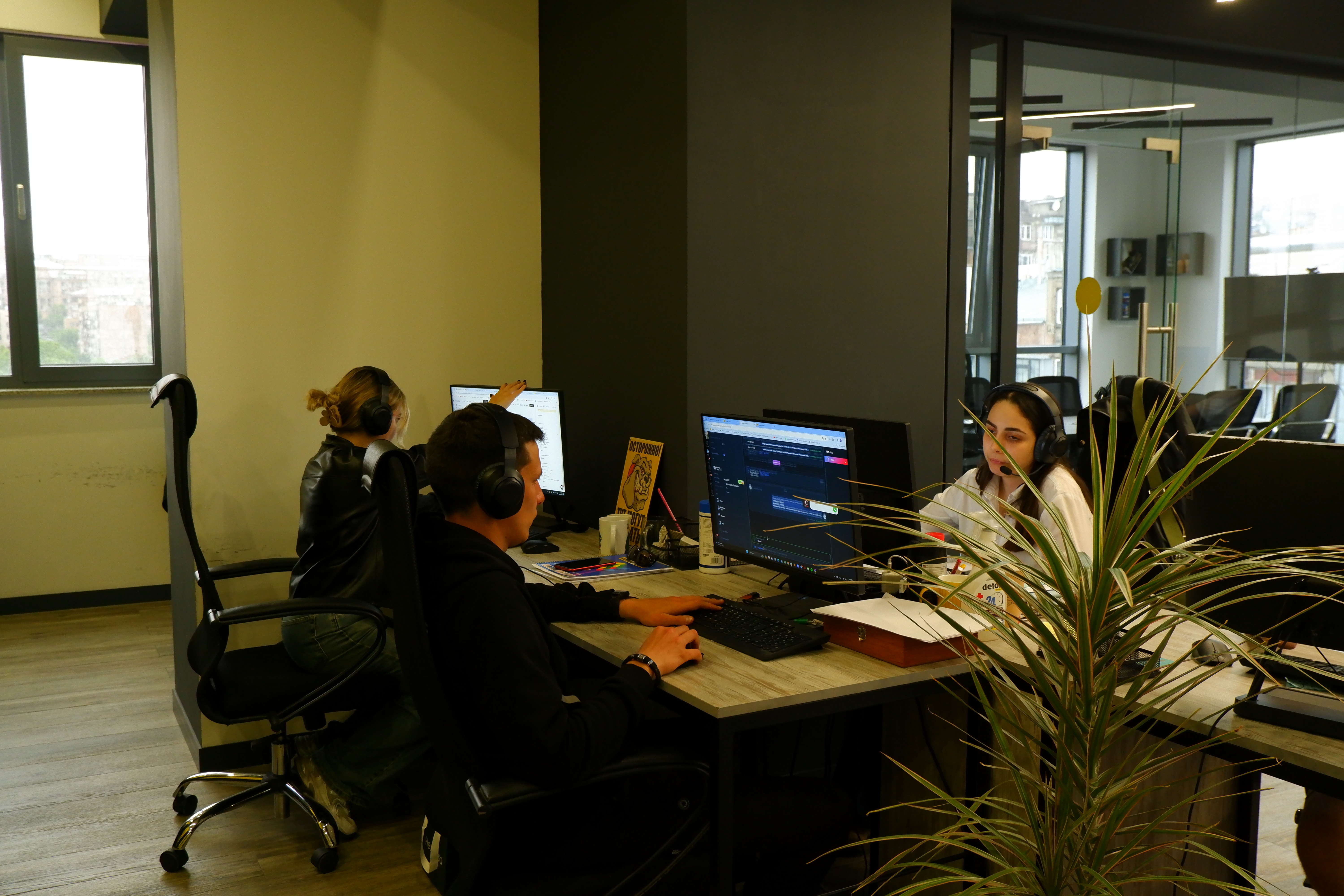
CM: Altegio recently became a resident of Astana Hub, Kazakhstan’s international start-up cluster, while continuing to expand in markets such as Brazil and the UAE. How do you decide which countries offer the greatest potential for your platform?
Petrou: When entering foreign markets, we focus primarily on the size of a country’s service sector and the level of competition from other software providers.
It’s not always clear cut, and, of course, each market has its own unique set of characteristics. In Hungary, for example, large chains or franchises are uncommon. Most businesses are small private studios with three to five employees.
Brazil is very dynamic, with 5,000–7,000 new service businesses launched every month, although closure rates are also high. While there are several local IT players operating on the market, Altegio’s product offers broader functionality for businesses, including online booking, assistant invitations, and automated payroll calculations.
For the coming years, however, we want to strengthen our presence in these existing markets, so we do not plan to expand into new countries soon.

CM: How do you see platforms such as Altegio, which can automate up to 80 per cent of a company’s operations, shaping the future of service-based business models?
Petrou: Digitalisation gives businesses greater control over their operations, improving staff efficiency and supporting revenue growth. More specifically, platforms such as Altegio can reduce customer no-shows by up to 60 per cent, while increasing client acquisition by around 30 per cent through improved lead conversion, online booking, and loyalty programmes. Using our software, owners can save up to 20 hours a month on routine but essential tasks such as payroll calculation.
It is not just us who see this potential. Fintech companies, for example, are showing strong interest in SME transactions and are offering Altegio highly competitive terms to integrate acquiring and payment services, including reduced commission rates.
Naturally, the AI boom has also made its mark on the service sector. AI agents enable automated customer communication, and we have already integrated several such solutions. For instance, when a beauty salon runs Instagram ads, incoming leads are automatically engaged by an AI assistant that consults with potential clients, builds rapport and engages their interest in the service. This creates a powerful synergy that operates entirely within the Altegio ecosystem.





Click here to change your cookie preferences