
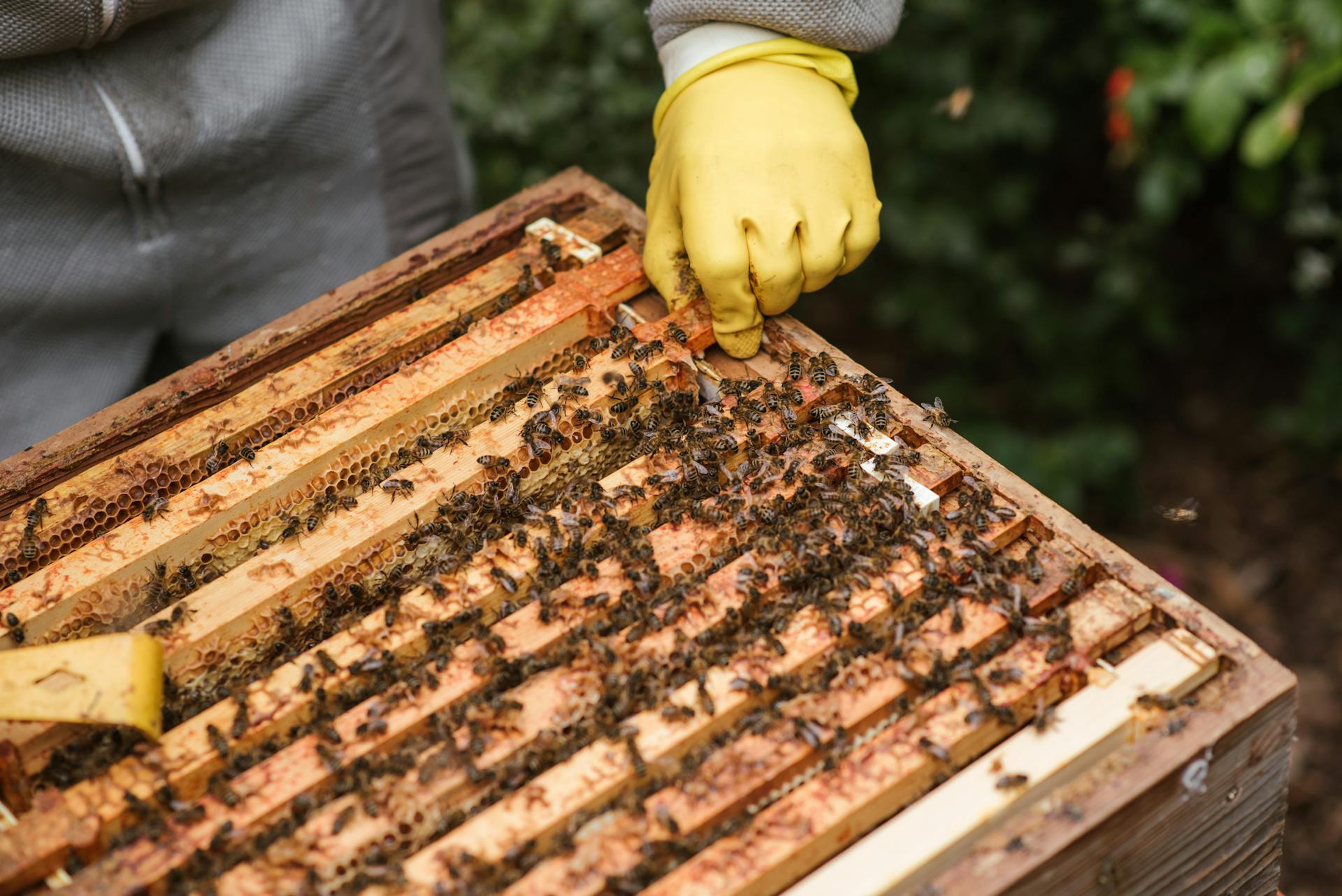
The Cyprus Chamber of Commerce and Industry (Keve) on Friday announced the launch of the PLANBEE project, marking the start of a major Mediterranean-wide initiative to transform the bee economy into a pillar of rural development.
This ambitious project, titled Promoting Local Apiary Networks and Bee Entrepreneurial Excellence, seeks to foster innovation, environmental stewardship, and sustainable tourism across six partner nations.
Co-funded at 89 per cent by the European Union under the Interreg NEXT MED Programme, the initiative operates with a total budget of €2,807,656, of which the EU contribution amounts to €2,498,813.84.
By coordinating seven partners from Cyprus, Egypt, Italy, Jordan, Lebanon, and Palestine, the project aims to upscale beekeeping skills and expand the emerging sector of apitourism.
The Cyprus Chamber of Commerce and Industry, along with A.M. Filagrotiki Symvouleftiki Ltd, are among the co-coordinators of the project.
A central pillar of the initiative is capacity building, which intends to upskill more than 120 aspiring entrepreneurs through hands-on coaching and cutting-edge learning tools, such as mixed-reality simulations.
These training sessions will cover organic beekeeping and the creative use of honey in gastronomy, specifically targeting young people and women.
To ensure local businesses can compete internationally, the project places a heavy emphasis on differentiation and branding.
The initiative will establish one transnational and six regional clusters to support shared innovation.
A key highlight is the MED Queen Bee brand, which will award and promote 60 outstanding female bee entrepreneurs to recognise their leadership in local economies and ecosystems.
Furthermore, the project will fund scientific surveys to develop flora-based honey, ensuring the unique botanical identity of each region is protected and marketed with authenticity.
Technological advancement is also a priority, with the pilot testing of smart beehives designed to monitor hive conditions and pollen types.
This data-driven approach will support credible flora-based branding and sustainable hive management.
“The project will upscale beekeeping skills, differentiate bee products, expand Apitourism and influence future rural development policies,” the project coordinators stated.
Beyond honey production, the project invests heavily in apitourism as a sustainable travel niche.
The partners will establish six Regional Apitourism Offices and expand existing HoneyBee Routes across the Mediterranean.
These routes are set to be market-tested with real visitors and showcased at major international tourism fairs.
“There’s no Plan B for the planet, only PLANBEE,” the organisers added, highlighting the ecological urgency of the work.
To ensure the project results in lasting change, Regional Policy Support Committees will be formed to work with policymakers.
The goal is to produce a comprehensive PLANBEE Policy Paper that will encourage the integration of apiary networks into rural development, apiculture, and tourism policies.




Click here to change your cookie preferences