
Over two dozen aid workers involved in refugee rescues in Greece were acquitted of migrant smuggling charges in a multi-year case that rights groups said was a baseless attempt to ban aid for refugees heading to Europe.
European Union countries, including Greece – where more than one million people came ashore during Europe’s refugee crisis in 2015-16 – are tightening rules on migration as right-wing parties gain ground across the bloc.
In the trial on the Aegean island of Lesbos, the 24 defendants faced charges including involvement in a criminal group facilitating the illegal entry of migrants as well as money laundering linked to their organisation’s funding.
The defendants were affiliated with the Emergency Response Center International, a nonprofit search-and-rescue group that operated on Lesbos from 2016 to 2018.
Among them was Sarah Mardini, one of two Syrian sisters who saved refugees in 2015 by pulling their sinking dinghy to shore and whose story inspired the popular 2022 Netflix movie The Swimmers, and Sean Binder, a German national who began volunteering for ERCI in 2017.
The two were arrested in 2018 and spent over 100 days in pre-trial detention.
The court dismissed all charges, a ruling which defence lawyer Zacharias Kesses called “courageous”, but said it was met with “bittersweet relief”.
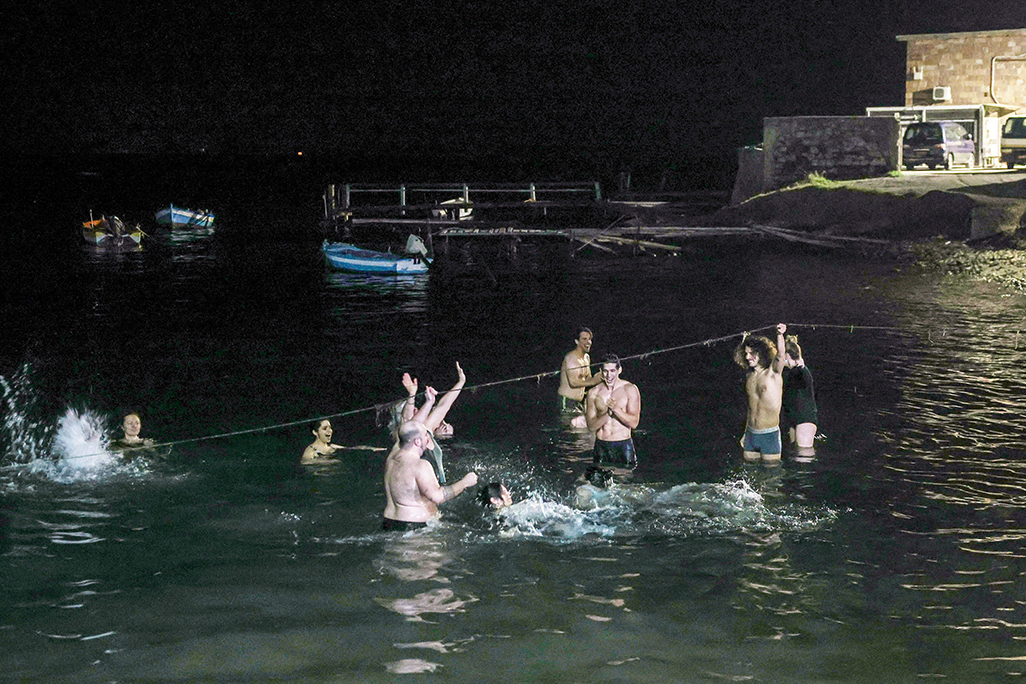
Some of the defendants plunged into the sea to celebrate the verdict late on Thursday.
Although the charges were unfounded, Kesses said, Greece’s judicial system delayed a resolution of the case, leading hundreds of people to withdraw from humanitarian aid activity.
“It took 2,897 days for justice to be delivered and for the authorities’ false narrative to collapse. The largest case of criminalisation of humanitarian assistance was built on a manual of inhumanity,” Kesses told Reuters.
In recent years, Greece has toughened its stance on migrants. Since 2019, the centre-right government has reinforced border controls with fences and sea patrols.
“The Greek authorities should stop criminalising solidarity, end pushbacks, and prioritise saving lives,” said Eva Cossé, senior researcher in the Europe and Central Asia division at Human Rights Watch, calling the prosecutions “abusive”.
Greece, which has recently seen a steep new rise in migrant arrivals from Libya, says it respects international law and human rights.





Click here to change your cookie preferences