
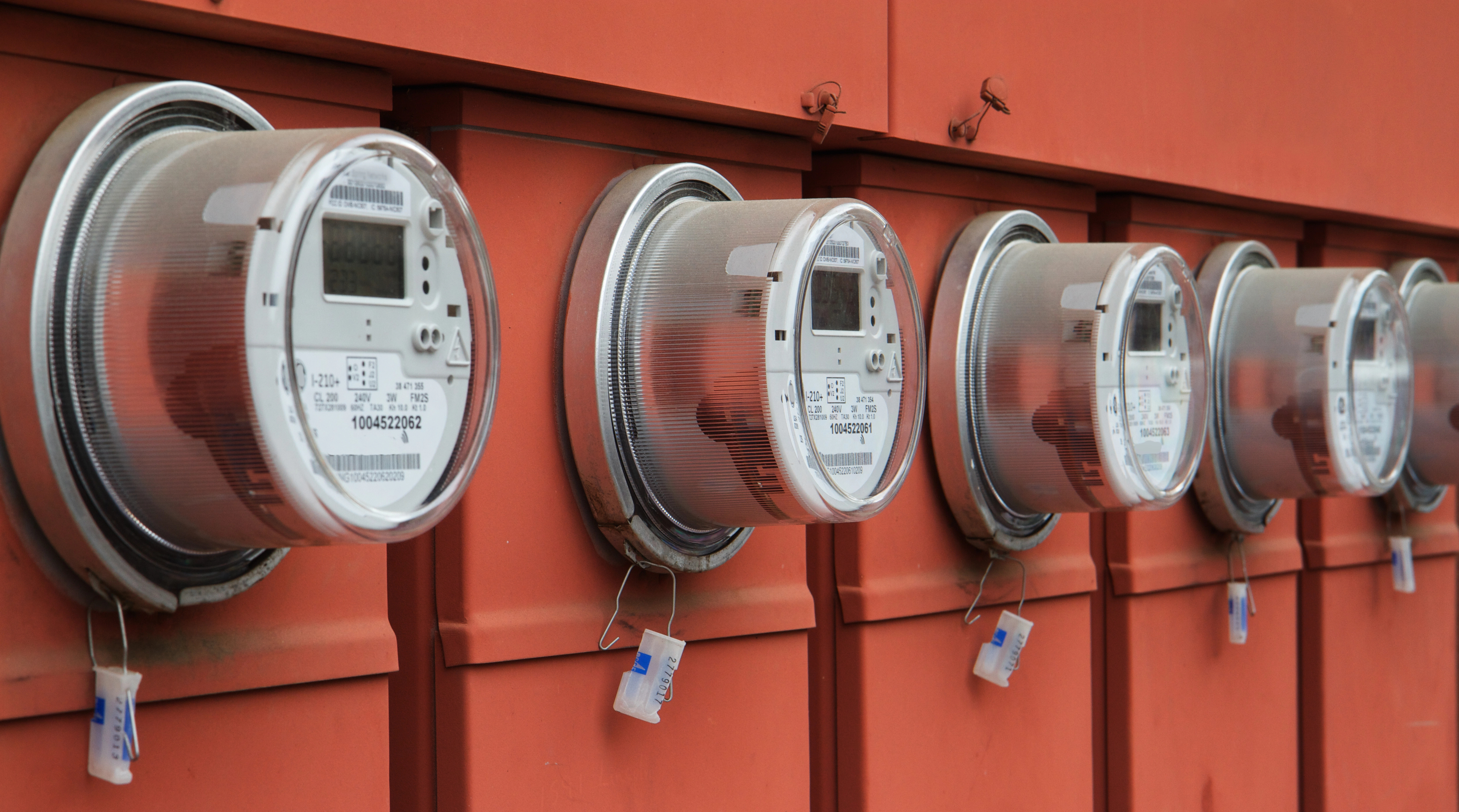
Half of the smart electricity meters which the electricity authority (EAC) had aimed to install have now been installed, Marios Pappoutis, the transmission system operator’s assistant network operator said on Friday.
He made the comment during told a summit of the international renewable energy agency (Irena) in Abu Dhabi, with the installation of smart meters coming off the back of a contract for the installation of and subsequent operation of smart meters across the island signed by the EAC and he Cyprus Telecommunications Authority (Cyta) in 2024.
The contract foresees the installation of a total of 400,000 smart meters by the end of June next year, effectively working out at a cost of €125 per smart meter.
The installation of smart meters had been hit by various delays in recent years, but the government had no choice but to continue working towards their eventual installation, as it is one of the European Commission’s requirements for access to wider recovery and resilience funds.
The government had put out its most recent tender for the meters’ installation earlier in 2024, with three companies, Logicom, NewCytech Business Solutions, and Cyta, all bidding for the tender.
Cyta’s bid was the most expensive of the three, at €50 million, with Logicom proposing a total cost of €33.7m and NewCytech Business Solutions €37.6m, but the EAC deemed Cyta’s offering the most suitable.
An administrative court had then found that Cyta were ineligible to provide the service as it did not fall within the scope of their business. This setback had then placed the European Commission’s funds in jeopardy, with Cyprus having looked set to lose up to €35m in grants if at least 50,000 smart meters had not been installed by the end of 2024.
This, in turn, swung parliament into action, with a law being passed in May 2024 to allow Cyta to take the contract on.
In short, parliament amended the telecommunications law to allow Cyta to engage in “projects and activities related to making use of its assets, its technical or commercial capabilities, its facilities, its services and its technical know-how in the event such activities are deemed necessary and beneficial to the organisation.”





Click here to change your cookie preferences