
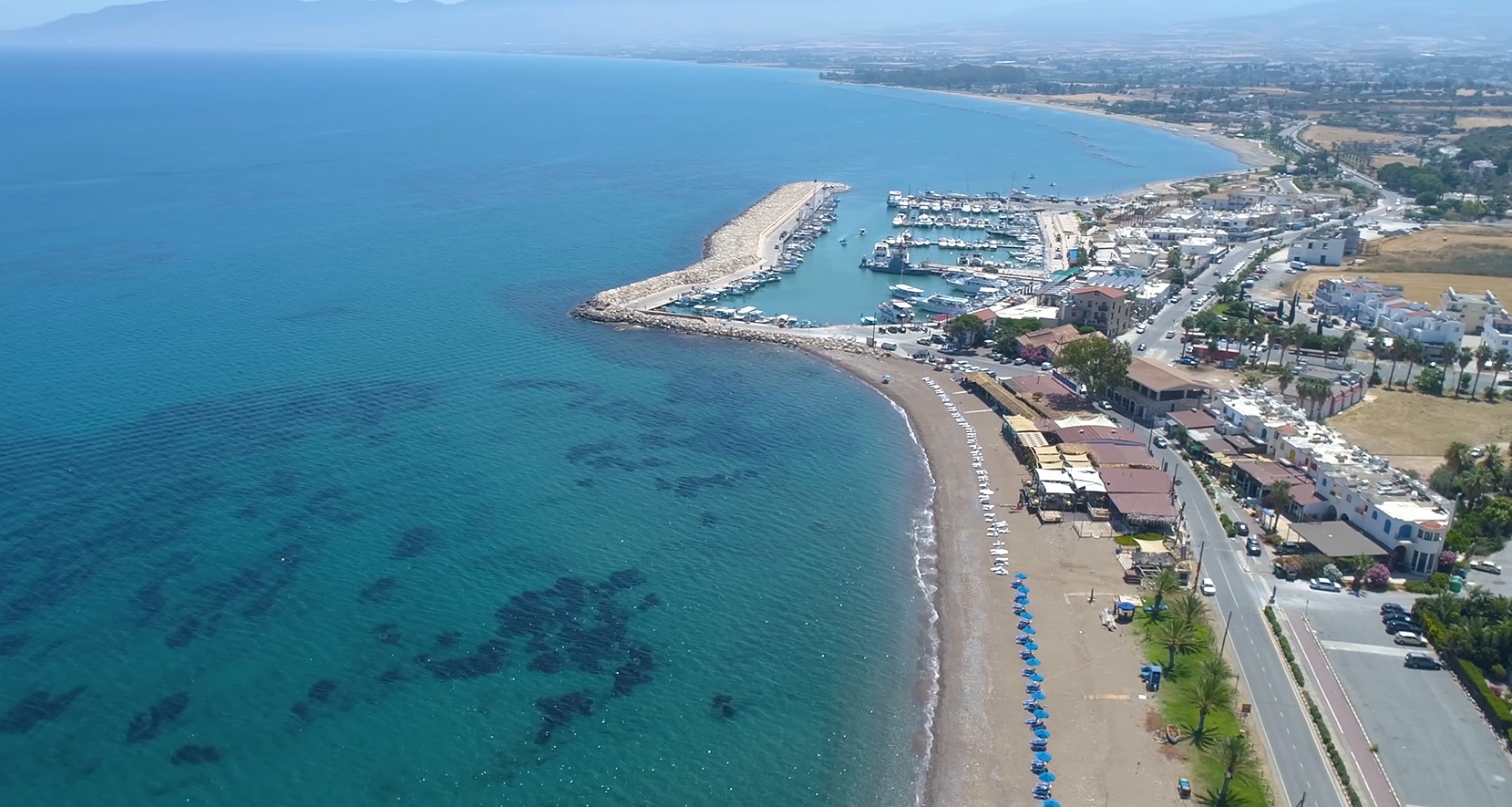
Wine cooperative Sodap shareholders approved, by an overwhelming majority, the long-term rental of the organisation’s coastal plot in Kato Paphos, clearing the way for the construction of a five-star hotel by Kanika.
The decision was taken during a general meeting that featured moments of tension and controversy, though these did not alter the final outcome, bringing to a close a long-running debate over the future development of the site.
Earlier, an agreement worth tens of millions of euro was signed at the Sodap winery in the Stroumpi–Polemi area for the lease of the Kato Paphos beachfront plot.
Under the terms of the deal, Sodap is set to receive tens of millions of euro in rental income over the duration of the lease, an arrangement the administration considers particularly important for the organisation’s long-term sustainability.
The agreement concerns a 66-year lease, with the second half of the period becoming effective subject to the tenant fulfilling its financial obligations after the first 33 years.
For the first 15 years, Sodap will receive an annual rent of €800,000, increasing by 2.5 per cent each year.
From the 16th year onwards, annual rent will rise to €1.6 million, also subject to a yearly 2.5 per cent increase.
In addition, Sodap will receive a €500,000 bonus upon signing.
Kanika has committed to the construction of a five-star hotel with at least 285 beds, with total investment costs estimated at €53m.
The significance of the agreement was reflected in the strong turnout at the general meeting, with more than 220 shareholders with voting rights taking part in the process. Only seven voted against the lease.
Addressing the meeting, Sodap’s new director Yiangos Tsivikos outlined what he described as “serious financial and management challenges” inherited by the organisation.
He said substantial sums remain uncollected from partners, placing pressure on the organisation’s operations.He also referred to past cases of mismanagement, alongside significant infrastructure shortcomings, including insufficient storage capacity.
Tsivikos concluded that his “immediate priority is the reorganisation of Sodap and the resolution of long-standing issues, with the aim of securing its sustainable development.”


Click here to change your cookie preferences