
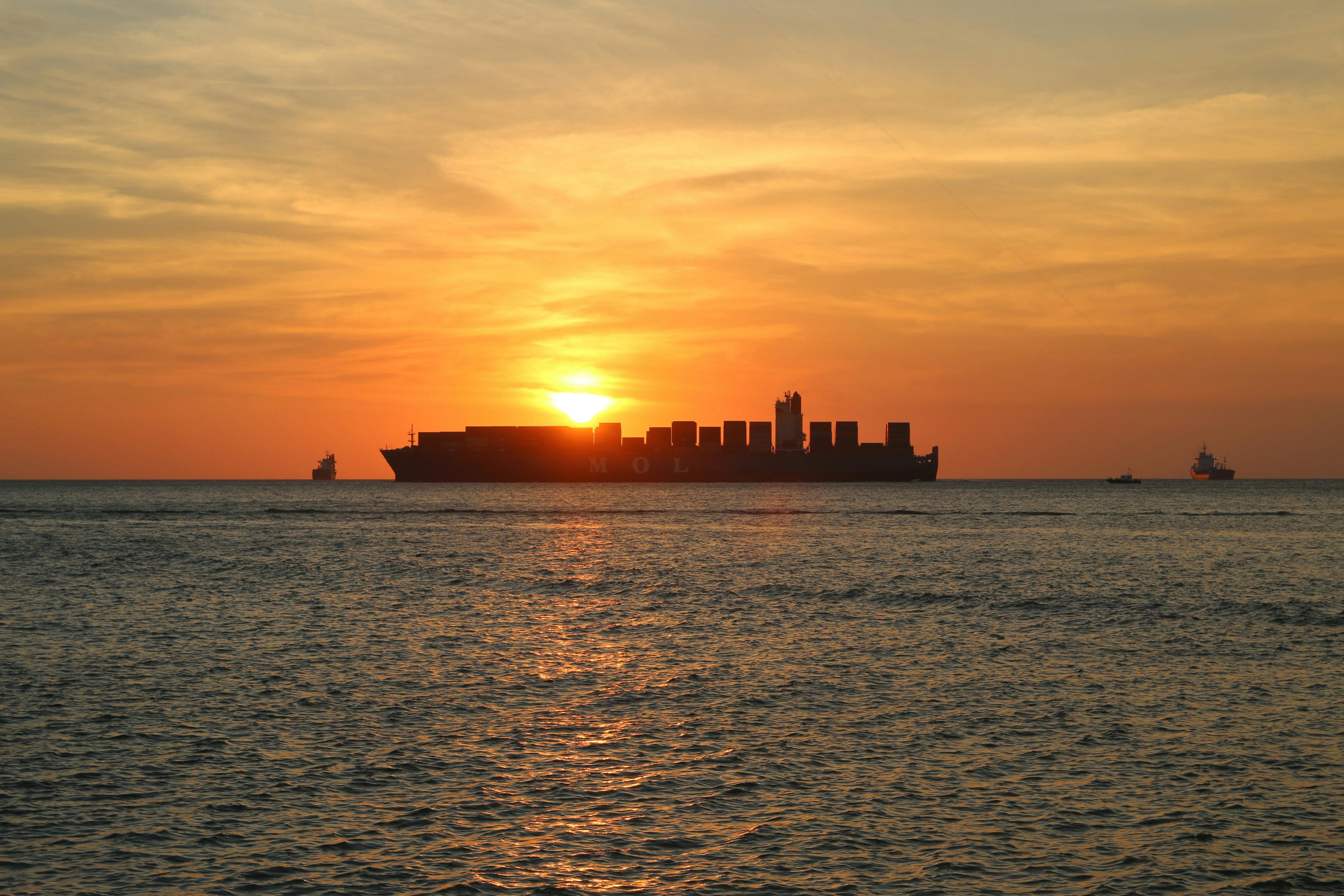
Life at sea remains defined by long hours, isolation, limited shore leave and poor connectivity, conditions that would be considered unacceptable in many shore-based professions.
For an industry that relies on nearly two million seafarers to keep international trade moving, those realities are increasingly feeding into a deeper challenge around attraction and retention.
Maritime transport is the lifeblood of the global economy.
And yet, the people who operate ships across the world’s oceans often work under conditions that lag far behind modern labour standards, leaving shipping under pressure to make seafaring a safer and more attractive career choice.
Against this backdrop, Circle Digital Ventures CEO Meei Wong said many of the challenges facing seafarers are long-standing, but not insurmountable.
“A lot of these problems can be tackled by just first of all we must listen to the seaf farers,” she said.
She added that many of the issues come down to fundamentals.
“A lot of these is just very basic things that we should offer the same thing that we offer to a shore staff,” Wong said. “There is no reason of not offering these to the seaf farers when they’re at sea.”
International Maritime Organisation (IMO) Secretary-General Arsenio Dominguez then described conditions that have affected seafarers for years.
“The long hours, the isolation, a lot of this actually is what the shipping industry has been suffering for a long time,” he said.
He pointed to persistent barriers including “no shore leave, problems with connectivity” and the lack of “a very clear and transparent career path”, warning that these factors make it difficult to attract new entrants to the profession.
“If we want to attract the new generations, if we want to retain the existing seaf farers, there’s a lot more that needs to be done,” Dominguez said.
He added that crews often feel unsupported when incidents occur on board. “They don’t get the necessary assistance where something happens on board, they don’t get the necessary facilities. They cannot even have connectivity on board the vessels.”
At the same time, Sailors’ Society CEO Sara Baade stressed the need for action that goes beyond general commitments, calling for stronger protection of seafarers’ rights and welfare.
The urgency of those concerns is sharpened by wider workforce pressures. The video notes that the maritime sector is facing a projected shortfall of nearly 90,000 trained officers, emphasising the need to improve both attraction and retention across the industry.
World Maritime University President Maximo Mejia said the issue is not only numerical, but generational. “We need to look at the way we communicate the industry to our young people,” he said, adding that it is the youth who will shape the future of shipping and that the sector must learn to communicate in ways they are used to.
Returning to the question of delivery, Baade then pointed to the gap between rhetoric and action, questioning whether the industry is matching its words with meaningful change.
From a business perspective, the video goes on to argue that improving seafarer well-being is not only the right thing to do, but also makes commercial sense.
Wong said shipping companies need to recognise that investing in welfare delivers returns. “Find a business case to invest in seaf farers well-being and for the shipping companies to be willing to do that,” she said, adding that “they also benefit from that”.
Mejia also challenged the assumption that the officer shortage is purely a supply issue. Despite thousands of officer cadets graduating each year in countries such as the Philippines, many never enter the labour market.
“We do potentially have a shortage but not because the supply is not there,” he said.
Instead, he argued, the issue may lie in preparation. “It’s maybe that we haven’t trained them to the level that the industry need,” Mejia said.
“So for me it’s actually not about attracting more but attracting maybe the right and working with educational institutions to make sure that we get seafares that are fit for what the industry has required from them.”
Returning to the business case, Wong said that “There is no reason of not offering these to the seaf farers when they’re at sea”.
She added to “Find a business case to invest in seaf farers well-being and for the shipping companies to be willing to do that and also they also benefit from that.”
Mejia also stressed the need for concrete safeguards around working conditions.
“We need to put in in place policies that protect their health, protect their well-being, that give them a proper balance in terms of work and rest and really looking looking after their welfare,” he said.
In conclusion, Dominguez returned to the disconnect between commitments and outcomes, calling for the industry to move from statements to action.
“I want us to move away from the statements that we support seafareds, that we want to invest in seafareds, that we have to uphill the well-being to actually start doing it,” he said.
“We keep saying that we want to support it,” Dominguez added, “but the actions are not there yet.”



Click here to change your cookie preferences