
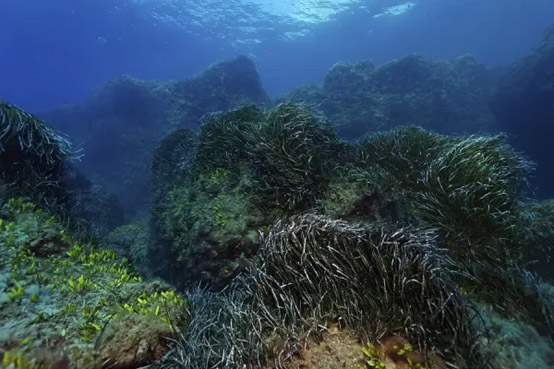
Mazotos community council on Thursday called for the immediate suspension of the installation of a desalination plant in the area on Thursday, warning that the project threatens protected marine habitats and breaches environmental safeguards.
In a statement, the council said a scientific study confirms the presence of priority habitats protected under the European habitats’ directive, including Posidonia oceanica (Neptune’s Grass) meadows and coral reefs.
“The siting of desalination plants in the immediate vicinity of such habitats poses a serious risk of irreversible degradation,” it said.
The council argued that, under current conditions, Mazotos is unsuitable for desalination infrastructure and urged authorities to comply fully with national and European legislation.
“We recognise the water problem, one of the most serious facing our country, however hasty and arbitrary decisions are unacceptable,” it said, calling for “documented study, transparency and social consensus”.
Letters outlining its objections have been sent to the president, the interior and agricultural ministers, parliamentary parties, the Larnaca district government organisation (EOA) and the district governor.
The council is also demanding a complete and independent environmental impact study, a documented assessment of alternative solutions and locations, and clarity on whether due procedures have been followed.
A protest over the issue is planned for Saturday at 10am near the petrol station in Mazotos.
The dispute unfolds against the backdrop of an escalating drought crisis.
The water development department said on Wednesday that the 2024 to 2025 hydrological year recorded rainfall at around 65 per cent of the long-term average, ranking among the eight driest years since 1901, with 2026 forecast to bring heightened water risk without substantial rainfall.
Responding to wider public concern, the department stressed that water resources remain under full state control and described the proposed Mazotos desalination unit as “a temporary measure to boost supply rather than a form of privatisation”, insisting no desalination facility is allowed to set prices or independently dispose of water.




Click here to change your cookie preferences