
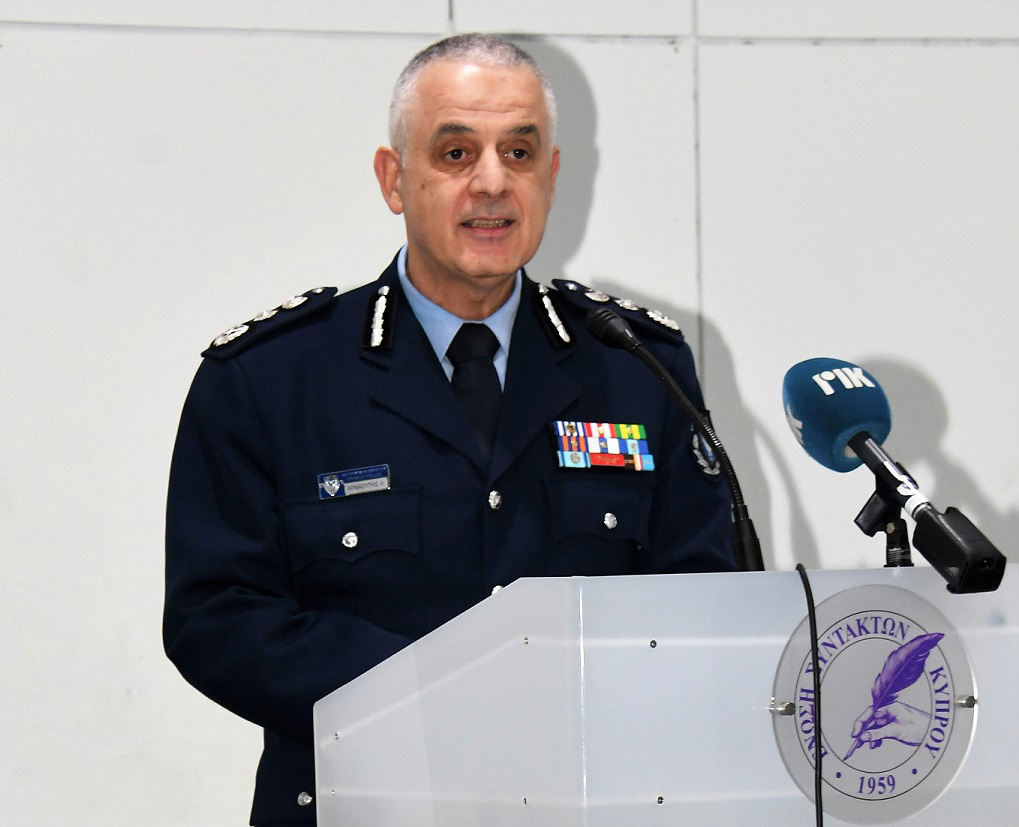
It is difficult not to feel sympathy for the Chief of Police Themistos Arnaoutis, who appears to be on his own in his effort to change the working hours of police who are on a shift system. The change would affect some 1,000 ‘frontline’ officers, but the so-called associations representing officers, are strongly opposed to this, claiming the decision was “unilateral” and would have adverse consequences on the free time, morale and pay of the workers.
The modernisation of the police force does not go against its people but is done for them, said the chief at a meeting of the House legal affairs committee, on Wednesday, called to discuss the matter after the fuss made by the ‘associations’, which are as militant and unreasonable as all public sector unions are.
Like these unions, police associations (there are two while a third is affiliated to Pasydy) are reactionary, always opposing change because change, by definition, goes against the interests of their members. And they demand extra pay to consent to change, even though this change is imperative.
The adjustment of their working hours was a “precondition for a modern and sustainable police force,” said the chief, whose priority was “strengthening operational readiness.” It was the advice of independent experts brought in to look at ways of modernising the force and making it more effective.
And the policing needs of the country have changed – conditions are not the same as 65 years ago when police working hours were decided. As Arnaoutis said on Wednesday, there are now increased needs in terms of public safety and, as a consequence of EU administration standards, budgetary constraints also exist.
In the end it comes down to making a choice. Who should we trust to organise the way police work – the chief of police or some officers from the lowest rungs of the hierarchy who have become union leaders? What do these lowly officers/unionists know about operational readiness and making the force more effective? This is the constitutional role of the chief of police and not of some police sergeant who has become a union man.
Arnaoutis pointed this out at the House committee meeting, but did not receive any support. Deputies simply went to their default position of proposing dialogue – this is the answer to every problem even though it is not as democratic as it seems. The chief has authority to make decisions about the police given by the constitution, whereas association/union guys do not, and in trying to impose their diktats they are violating the constitution of a democratic country.
And the worst thing, is that the police association want dialogue on a matter that was decided seven years ago. In 2019, the cabinet approved the change to the working hours and it was voted through by the House in the same year. That no chief before Arnaoutis dared implement this law does not mean it is subject to dialogue.





Click here to change your cookie preferences