
EU watchdog warns olive oil quality rules failing consumers across member states
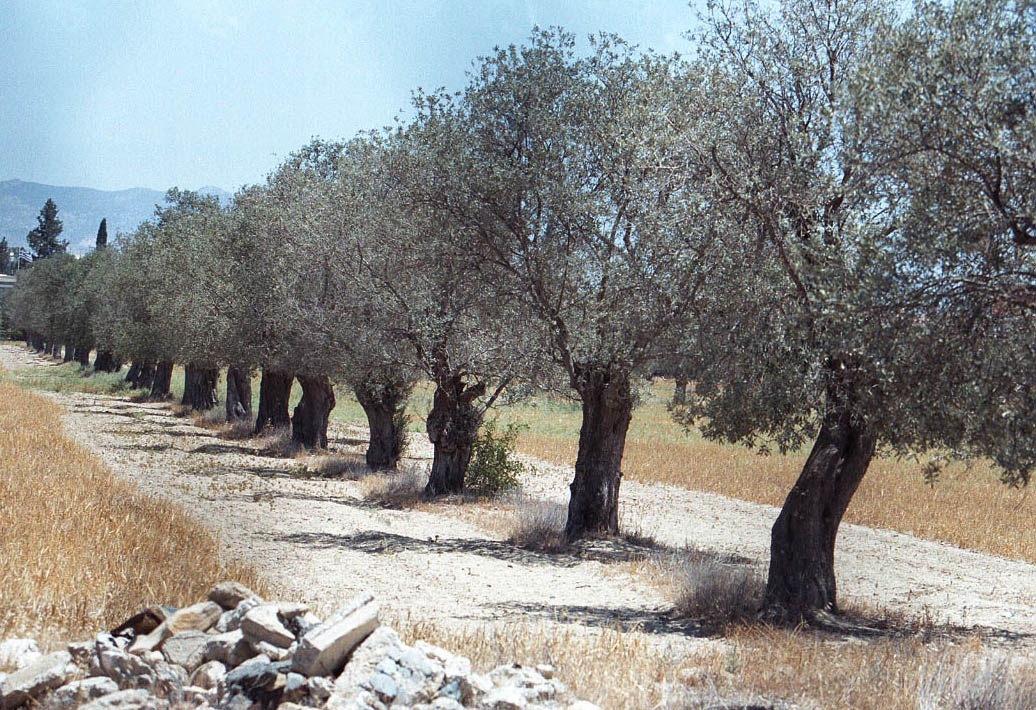
EU regulation for controlling olive oil quality including Cyprus contains serious weaknesses that risk undermining consumer confidence, according to a report by the European Court of Auditors released last week.
The findings are particularly resonant for producing countries such as Cyprus, where olive oil quality is often high, yet traceability and marketing remain weak.
For example, much of Cyprus’ olive oil is exported in bulk to Italy, where it is blended, rebranded and sold at a premium. This leaves local producers unrecognised and undervalued despite the high quality they deliver.
In several member states inspectors were unable to verify origin data due to gaps in documentation, fragmented controls and limited enforcement capacity.
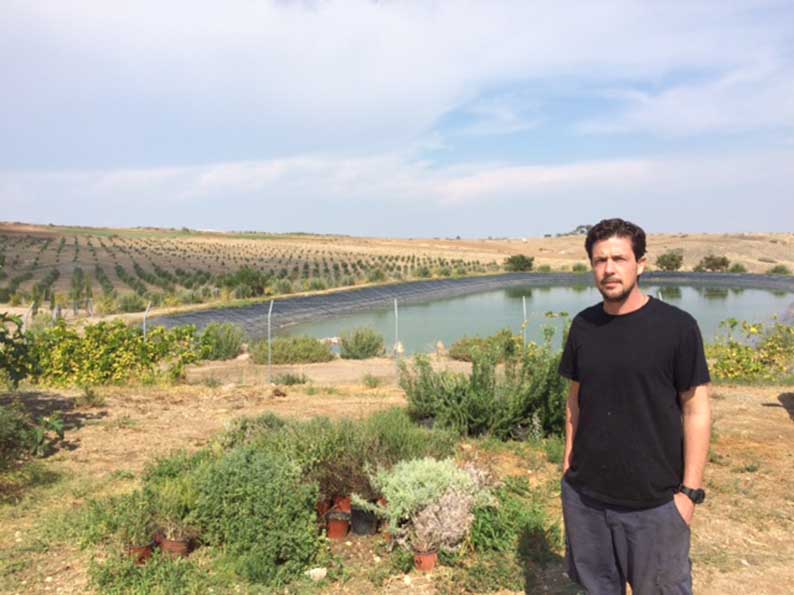
Cyprus based olive oil specialist Nicolas Netien said the findings reveal a disconnect between genuine quality and how olive oil is traded and labelled across Europe.
“Greek and Cypriot olive oils are among the highest quality in the Mediterranean, yet they are systematically sold in bulk to Italy where they are blended and marketed as Italian extra virgin,” he said.
He added that around 85 per cent of Greek production is sold to Italian buyers and that Cyprus faces similar pressure.
“The quality is produced locally but the value is captured further up the supply chain,” he said.
The report found that 93 per cent of olive oil samples tested across the EU met legal chemical requirements.
However widespread problems persist around ageing storage, inconsistent oversight and the ability of authorities to trace oils back to where olives were grown or pressed even when this information is required under EU law.
The report warns that oils bottled close to the minimum quality threshold are frequently given long best-before-dates pushing products to the limits of their category over time.
Netien stressed that chemical compliance alone does not guarantee extra virgin quality.
“You can pass every laboratory test and still have defects in the oil,” he said.
“Only trained tasting panels can identify sensory faults, and this step is missing in most production chains across Europe.”
He said Cyprus generally performs well due to its dry hot climate and lower pest pressure.
“The olive fly is less of a problem here and the conditions naturally concentrate flavour and polyphenols,” he said.
However, he warned that weaknesses remain at processing level particularly in smaller facilities.
“Some mills are still using outdated three phase systems,” he said.
“Chemical analysis may look fine, but defects caused by oxidation contamination or poor hygiene can go unnoticed.”
Marketing was identified as another structural weakness.
“Cypriot olive oil is not marketed well,” Netien said.
“Italian buyers value it because it raises the quality of their blends not because Cyprus is recognised as a premium origin.”
Traceability emerged as a central issue in the audit particularly for small producers.
“Many small-scale producers make exceptional olive oil, but they have no training, no cooperative structure and no way to meet complex traceability requirements on their own,” Netien said.
He argued that traceability should be a strength rather than a weakness for Cyprus.
“This is a small country with high quality production,” he insisted.
“Without PDO or PGI status and without proper education that opportunity for global recognition is lost.”
The auditors also highlighted gaps in controls for contaminants beyond pesticides.
While pesticide residues remain very low across the EU substances, plastic residues are less consistently regulated.
“Olive oil absorbs contaminants very easily, they can come from machinery lubricants, packaging materials or the wrong plastics used in mills.”
He added that filtration remains uncommon.
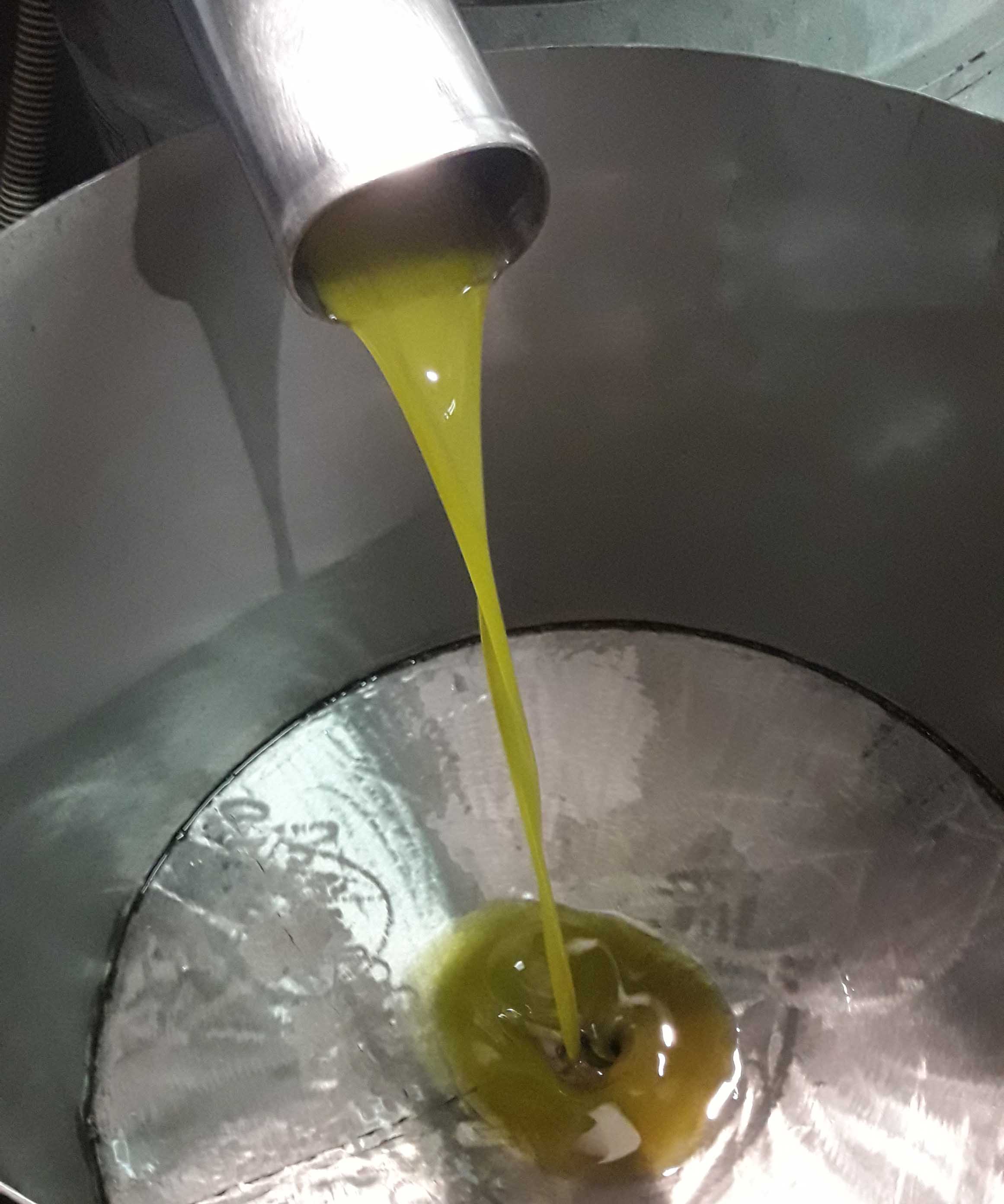
“Without filtering, oxygen stays in the oil and rancidity develops faster,” he said.
Storage and transport were also identified as risk points.
“Plastic containers interact very quickly with olive oil,” Netien cautioned.
“Glass storage and nitrogen protection should be standard, but adoption is still uneven.”
Imported olive oil was described by the auditors as another blind spot.
Imports account for around nine per cent of EU consumption, yet few member states include them in risk-based inspection plans.
Border controls remain limited and testing is inconsistent.
In Italy no imported consignments were tested in 2023 or 2024 at major entry points while Spain tested only three samples for pesticide residues over a five-year period.
The health ministry said it was examining the findings of the report very closely.
“Cyprus already maintains strong food safety controls, but this report shows that more detailed monitoring of certain contaminants is needed,” a ministry spokesman said.
He added that clearer EU level guidance would support national authorities.
“Stronger coordination particularly on imports traceability and storage standards is essential,” he said.
The European Commission has accepted all recommendations made by the auditors and committed to strengthening oversight improving traceability guidance and explicitly including imports in future risk assessments.
The European Court of Auditors concluded that the issue is not a result of widespread fraud, but uneven implementation of existing rules leaving consumers dependent on reforms that are still in progress.





Click here to change your cookie preferences