
Although there has been some rainfall in the last few weeks, it has been nowhere near enough to avert the water shortage crisis we have been facing for more than a year and is set to take a turn for the worse as summer approaches.
Speaking on a radio show on Friday, Agriculture Minister Maria Panayiotou said we have the lowest water reserves of the last 100 years, with dams being about 10 per cent full and no indication this situation will improve. We are seeing the smallest flow of water into dams ever, she said. The lowest recorded flow was 5 million cubic metres, but now it is less than half that, at 2 million.
This year will be disastrous for farmers, who will see the already reduced quantities of water allocated to agriculture cut by another 30 per cent. Will they be able to grow anything with such limited quantities of water in 2026 or will we have to import all farm products from abroad to cover our needs? And how adversely will the shortages affect prices? And will we be able to play host to the record number of tourists expected this year with non-existent water reserves?
We are suffering the consequences of the negligently shortsighted and slapdash approach of successive governments, none of which gave the water shortage problem the attention it deserved. They may have taken some short-term measures when there was an extended drought, but when there was a year of good rainfall, the problem was immediately forgotten, until the next extended drought. In fact, government water policy over the years was based on the gamble that there would be adequate rainfall next year.
The main priority of the Christodoulides government, which also relied on the above policy for its first two years in office, is to set up more desalination plants. In the last 30 years, we have set up five desalination plants, but the government hopes to have another nine in operation by the end of the year, said Panayiotou. Four will be up and running by spring, she said. But there will still be a problem if we do not “develop a water conscience and engage in rational use of water,” said the minister, warning that if we did not cut water consumption by 10 per cent we will run out of water.
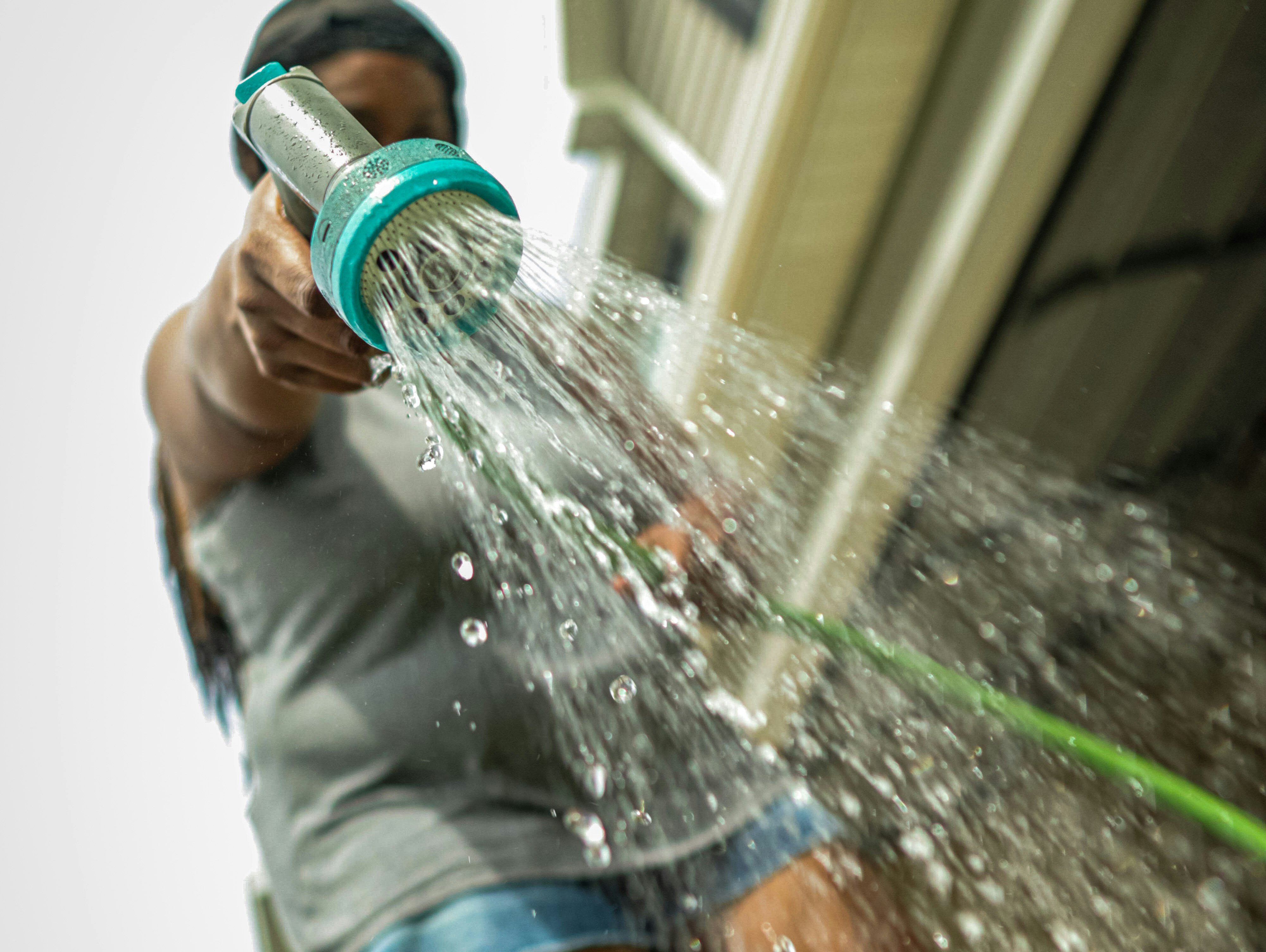
There are practical steps every household can take, like for example running the water to two fewer minutes every day, said the minister. There is also the measure of banning the use of hoses for washing the pavements and watering gardens, but nobody knows if these laws are being enforced. There are plenty of other practical emergency measures, such as banning the watering of lawns for houses, hotels and public areas, for the next 12 months. Hefty fines could be imposed on households that exceed the maximum use stipulated by the authorities – this would reduce the hosing down of pavement and watering lawns.
Of course, these are unpopular measures – as would be water cuts – and the government would be reluctant to resort to imposing hefty fines, even though there is no better way of creating the water conscience the minister spoke about, and of ensuring rational use of water by households. For the longer term, however, the treatment of sewage water and its use for irrigation must become a policy priority. Panayiotou said the use of treated sewage should have happened since 2012 but governments had done nothing. This has to do with the incomplete sewage system network, which is nowhere near ready.
The government must launch an intensive campaign, demanding people save water. Even if the new desalination units start pumping water in spring there is still a need, as the minister said, to cut consumption by 10 per cent. This will only be achieved with major publicity campaigns.





Click here to change your cookie preferences