
Turkey is examining alternative scenarios for managing a potential crisis on its eastern border amid growing concern over instability in Iran, with a focus on preventing a new wave of migration and establishing a potential buffer zone.
Senior officials from the Turkish foreign ministry have briefed members of parliament in closed session on possible developments in Iran, including scenarios of severe destabilisation and even government collapse.
Sources familiar with the briefing said Ankara is considering measures that go beyond routine border control, aimed at stopping large scale population movements before they reach Turkish territory.
While there has been no official confirmation of plans to establish a safe or buffer zone, participants in the meeting said the intention was clear.
One source said officials stressed that “whatever can be done on the Iranian side of the border should be done” to prevent a migration crisis, while another indicated that Turkey is prepared to act beyond conventional border guarding practices if required.
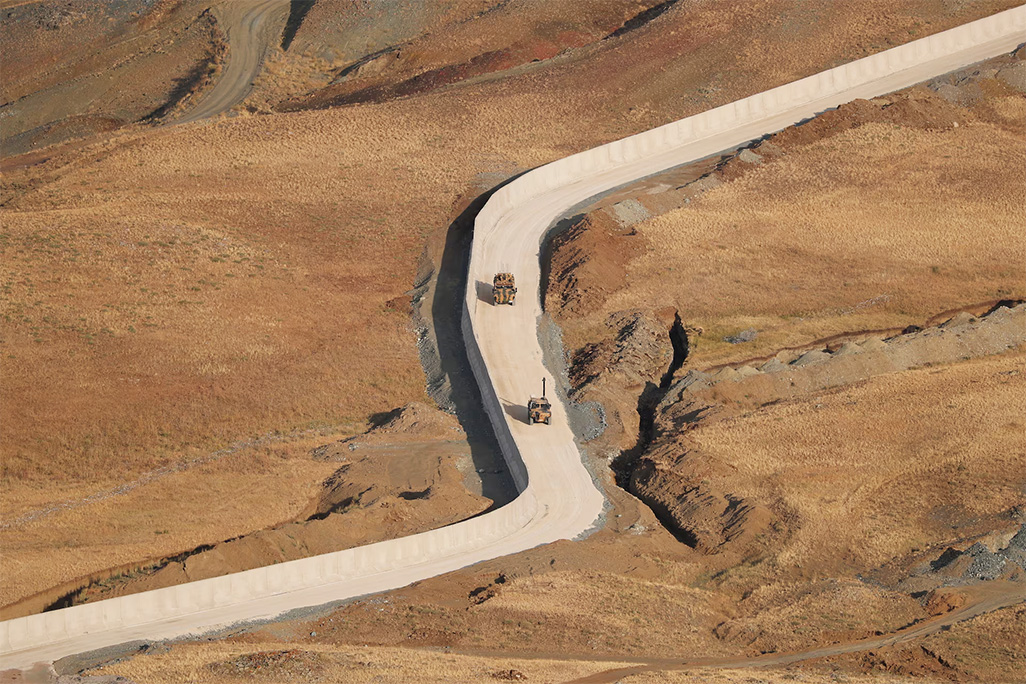
The Turkish defence ministry has already announced enhanced security measures along the 560 kilometre border with Iran, including expanded surveillance and physical barriers.
Ankara says border areas are monitored using identification systems, drones and aircraft, as part of efforts to detect and deter irregular crossings.
Turkish media reported that lawmakers were also briefed on the scale of unrest inside Iran, with officials citing figures of around 4,000 deaths and 20,000 injuries during recent anti regime protests.
The unrest has been driven by soaring inflation and the collapse of the national currency, and has been met with force by the authorities, alongside reports of widespread internet shutdowns.
Foreign Minister Hakan Fidan has publicly opposed any foreign military intervention in Iran, urging the United States to pursue diplomacy rather than force.
He said Ankara does not support external interference and warned that military escalation would deepen regional instability.
Concerns have been heightened by an increased US military presence in the Middle East, including the arrival of the aircraft carrier USS Abraham Lincoln, amid reports that Washington is considering targeted action against Iranian officials it holds responsible for the crackdown on protesters.
Turkey remains highly sensitive to the risk of a new refugee influx, having absorbed the impact of past regional conflicts.
The country continues to host around 2.7 million Syrians, despite gradual returns, and officials have warned that a major conflict involving Iran could push hundreds of thousands, or even up to a million people, towards Turkish borders.
Ankara has made clear it does not intend to pursue an open borders policy except in cases of immediate humanitarian need.
Uncertainty also surrounds how Turkey would respond to potential movement by Iran’s Turkic Azerbaijani population, estimated at more than 12 million, a scenario that could carry significant domestic political implications.





Click here to change your cookie preferences