
The European Union is mulling a new strategy in its diplomatic efforts on climate change after a bruising U.N. summit last year where it struggled to rally support for faster, more ambitious action to cut planet-heating emissions, an internal EU document seen by Reuters showed.
Negotiations at the COP30 event in Brazil in November on how to address climate change were dealt a geopolitical blow earlier in the year when U.S. President Donald Trump pulled the world’s biggest economy out of the talks.
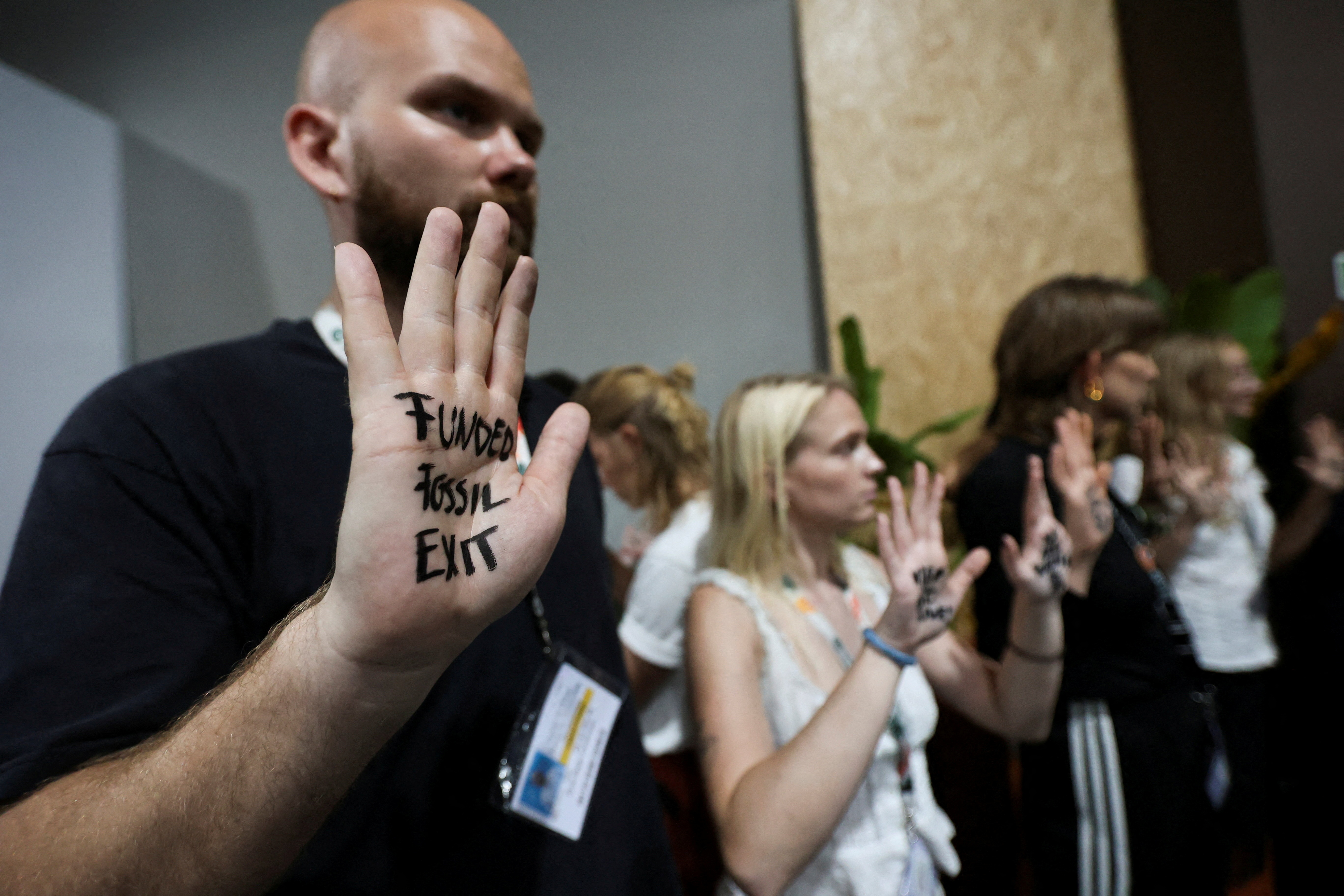
The summit ended with a deal to triple finance for poorer nations to adapt to climate change, but no new global commitments to reduce fossil fuel use or cut planet-heating emissions faster – terms that had prompted EU countries to consider walking out in the final hours of the talks.
The 27-country EU is now assessing how to strengthen its strategy for future negotiations by using its trade, finance and development leverage in climate talks, the document showed. EU climate ministers will discuss the ideas at a meeting in Cyprus on Friday.
“The EU encountered increasing difficulty in lining up international support for translating its high level of ambition into concrete negotiation outcomes,” the document said, referring to the EU’s attempts to secure a stronger deal on cutting emissions.
It said changing geopolitical dynamics had contributed to “a feeling that (the EU) was largely isolated in the final phases of negotiations” at COP30.
The EU, alongside climate-vulnerable island states and some Latin American countries, had pushed to address fossil fuels in the COP30 deal – a proposal blocked by countries including top oil exporter Saudi Arabia.
But the EU had also faced criticism from poorer nations for resisting an increase in climate funding until late in the negotiations.
Andre Correa do Lago, Brazil’s president of COP30, said countries’ assessments of how successful the summit had been reflected different priorities in how they tackle climate change.
“The word ‘ambition’ doesn’t belong to a vocabulary that only exists in the EU. When you say ‘ambition’ in the EU, it’s mitigation. When you say ‘ambition’ in India, it’s finance. When you say ambition in other countries, it’s technology,” he told Reuters.
NEW STRATEGY
The EU paper suggested a failure to leverage its trade and development tools had “limited the EU’s ability to reinforce its positions and to shape incentives in the negotiating rooms and beyond”.
A spokesperson for Cyprus, which holds the EU’s rotating presidency and drafted the document, confirmed the discussions on the bloc’s role in international climate negotiations.
“Our aim is to keep the momentum and continue reflecting on this important matter, with a view to strengthening the effectiveness of the COP31 negotiations,” the spokesperson said.
Many of the EU’s trade deals include incentives on climate and low-carbon energy. An EU-India trade deal last month included 500 million euros ($590.90 million) in support to help India reduce emissions.
“We’re in a new era which is more transactional,” one EU diplomat said, adding that some governments also wanted a clearer EU line on when to reject future COP deals that it deems too weak.
The EU is struggling to maintain support for ambitious climate action among its own member countries, and last year agreed a new climate target just days before COP30 began, owing to disagreements between governments over how ambitious it should be.





Click here to change your cookie preferences