
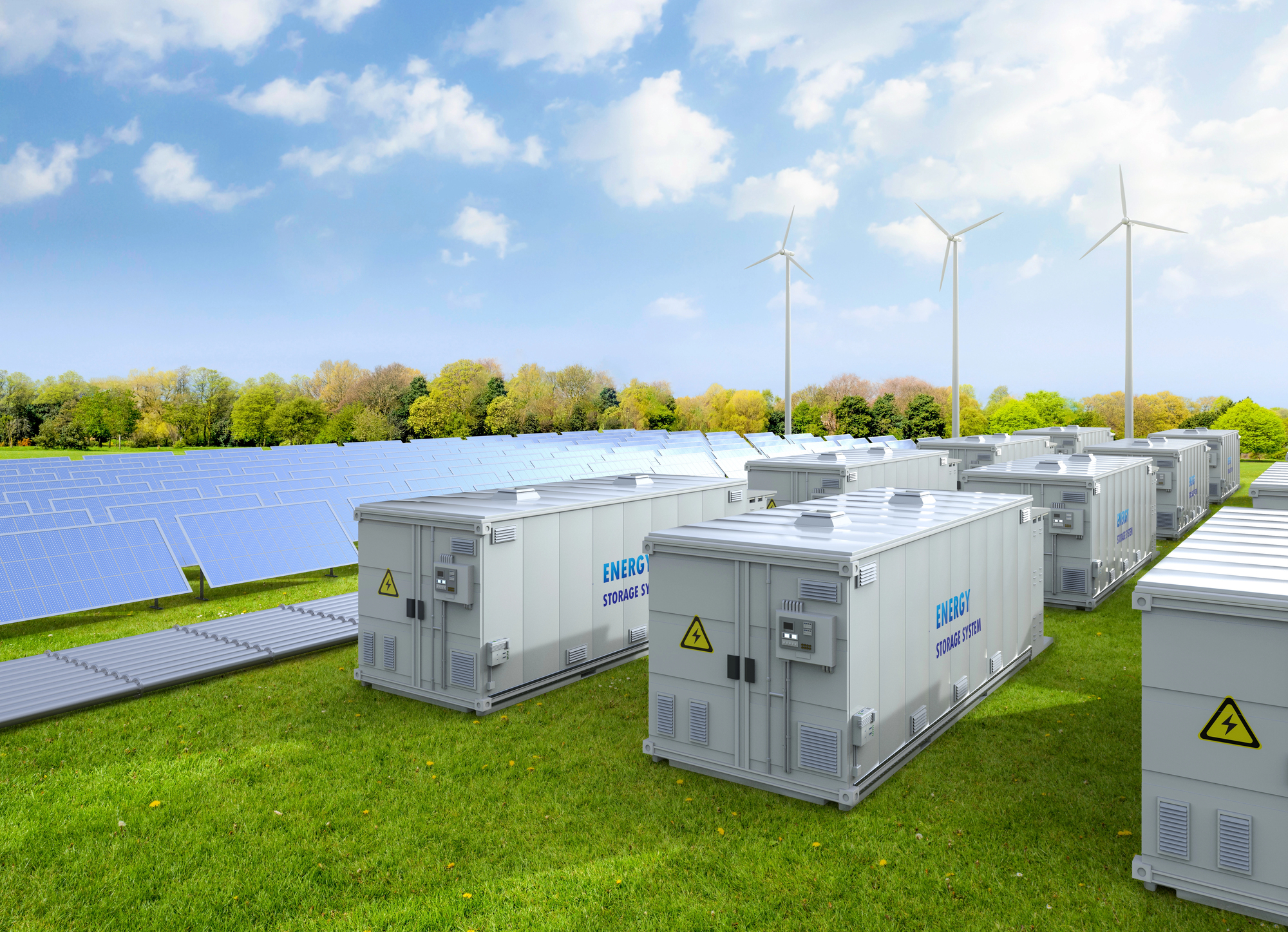
The construction of a planned power storage station for renewable energy in the Rotseri area of Alambra may pose risks to public health and the environment, the Federation of Environmental Organisations (Opok) warned on Thursday.
“[The permits were granted] without substantial information or consultation with the local community, the municipality or the local government,” Opok said.
It alleged that the residents were not accurately informed about the construction plans for the storage unit in their direct neighbourhood.
While acknowledging the creation of energy storage facilities as indispensable to ensure Republic’s future energy provision, especially for renewable energy sources, the federation highlighted that these needed to be accompanied by “comprehensive planning and transparency”.
The initial plans, as criticised by Opok, had presented the unit as a 40-megawatt facility. However, these plans were later adjusted to double its capacity to 80 megawatts.
Despite these changes, the environmental and social impact assessment had not been updated, the federation alleged.
It stressed that the modifications directly affected the environmental protection and safety requirements surrounding the project and health of residents, with one home located at a distance of only 45 metres from the storage unit.
According to Opok, the permit application for the project wrongly described the area as “sparsely populated” and found that its creation would not have any significant impact on its surroundings.
This, however, did not correspond to reality, the federation said.
Opok said that it had reached out to the House interior committee, which is currently examining the licensing of the project – which has already been granted – and called for a comprehensive reviewing of the project and the freezing of similar developments planned in the area.
Opek appealed to the government for the immediate allocation of special areas in which storage units such as the one planned in Alambra could be established.
Former Energy Minister George Papanastasiou in May 2025 highlighted the lack of storage as main obstacle in the expansion of renewable energy on the island.
Papanastasiou said that the electricity authority of Cyprus (EAC) had submitted plans to proceed with the installation of energy storage units at its power plants in Dhekelia and Moni.
The works, he said back then, were expected to be completed within less than 16 months – meaning they are set to be fully functional by September 2026.
“The road ahead is storage, and the most immediate solution is chemical batteries,” he said.
In its discussion of the matter, the House interior committee in the afternoon raised similar concerns over the construction of the planned storage unit.
Dipa MP George Penintaex warned of lack of clarity regarding the project, adding that the residents had not been informed accordingly.
“The project is planned to be erected just a few metres from residences and includes 24 containers with lithium batteries, which in the event of a fire are extremely difficult to extinguish,” he said.
He said the storage unit may have serious effects on the life quality in the area, adding that this could force residents to leave the area and called for the revocation or suspension of the project’s building permit until it is reevaluated by the interior ministry.
“We are not against energy storage or green development, but serious zoning study, risk assessment and population evacuation plan are needed before such permits are given,” he said.
Spokesman of the Alambra community, Giorgos Michael, said the residents were not opposed to the project, but called for a comprehensive risk assessment.
Michael said that serious risks of ignition were identified in studies of in similar projects abroad, and expressed his concern that the planned 24 containers may double in size and require cooling which may cause noise pollution and visually impact the aesthetic of the area.
Alambra resident Pantelitsa Michael, speaking at the committee meeting, said that she was informed that the permits for the project were granted on November 13.
“Our little oasis is in danger of turning into hell. We’re practically breaking out. Everyone who gave the permits completely ignored the human factor,” she said, and called for the revocation and reassessment of the plans.




Click here to change your cookie preferences