
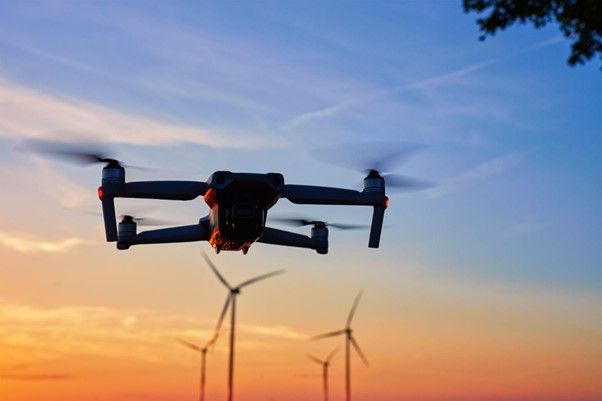
Drones have become a common sight across Europe — capturing sunsets, coastlines and city skylines from angles once reserved for helicopters. But while consumer drone technology is increasingly accessible, regulations surrounding their use remain complex.
Cyprus Mail recently explored the broader landscape of “Drones and counter-drone technologies”, focusing on security and regulatory developments. For holidaymakers and hobbyists, however, the key question is more practical: can you bring your drone to Cyprus — and if so, what are the rules?
EU rules still apply — with local nuances
As an EU member state, Cyprus follows the European Union Aviation Safety Agency (EASA) framework for unmanned aircraft. This means that most recreational drones fall under the “Open Category”, which covers low-risk flights under specific conditions.
Travellers flying from another EU country can typically bring their drone with them, provided they:
- Register as an operator if required in their home country
- Display their operator registration number on the drone
- Complete any mandatory online training (depending on drone weight)
- Carry appropriate insurance if applicable
However, EU-wide rules are only part of the picture. Each country may impose additional local restrictions — and Cyprus is no exception.
Where you cannot fly
Cyprus has clearly designated no-fly zones. These typically include:
- Areas near airports
- Military installations
- Certain government buildings
- Archaeological and heritage sites
In addition, Cyprus’ unique geopolitical landscape adds another layer of sensitivity. Flying near military installations, the UN buffer zone or the British Sovereign Base Areas may be subject to strict restrictions. Given the island’s strategic location and divided status, certain airspace is closely monitored. Travellers are advised to exercise particular caution and consult official aviation maps before operating a drone in unfamiliar areas.
Also, filming ancient ruins or religious landmarks without permission can result in fines or confiscation of equipment.
The Department of Civil Aviation provides guidance on authorised zones and maximum altitude limits. In most recreational cases, drones must remain within visual line of sight and below specified height thresholds.
Insurance and responsibility
While small recreational drones are widely available, operators remain responsible for safe operation. Accidents involving people, vehicles or property can lead to liability claims.
European regulators increasingly stress awareness over enforcement. The goal is not to discourage hobby flying, but to ensure it does not interfere with air traffic, privacy rights or public safety.
This is particularly relevant during peak tourist seasons, when beaches and public spaces are crowded.
The growth of recreational drone culture
Consumer interest in lightweight, travel-friendly drones has grown steadily over the past decade. Specialist hobby retailers across Europe — including Dutch modelsport stores such as toprc.nl — offer a wide range of recreational drones designed for photography, racing or casual flying.
The accessibility of such equipment means that more travellers now consider packing a drone alongside a camera or tripod. For many, aerial footage enhances travel memories. For others, flying itself is the hobby.
But the ease of purchase does not remove regulatory obligations.
Balancing innovation and regulation
The rise of civilian drone use has prompted authorities worldwide to refine regulatory frameworks. While some restrictions are driven by security concerns — particularly around critical infrastructure — others aim to integrate drones safely into shared airspace.
Cyprus, with its busy tourism sector and strategic geographic location, faces particular challenges in balancing innovation with caution.
For visitors, the message is straightforward: bringing a drone to Cyprus is generally permitted under EU aviation rules, but responsible flying is essential. Checking official guidance before departure, respecting no-fly zones and prioritising safety can prevent costly misunderstandings.
Drones may offer a new perspective on the island’s coastline and landscapes — but understanding the rules ensures that those perspectives remain both legal and enjoyable.
DISCLAIMER – “Views Expressed Disclaimer – The information provided in this content is intended for general informational purposes only and should not be considered financial, investment, legal, tax, or health advice, nor relied upon as a substitute for professional guidance tailored to your personal circumstances. The opinions expressed are solely those of the author and do not necessarily represent the views of any other individual, organization, agency, employer, or company, including NEO CYMED PUBLISHING LIMITED (operating under the name Cyprus-Mail).





Click here to change your cookie preferences