
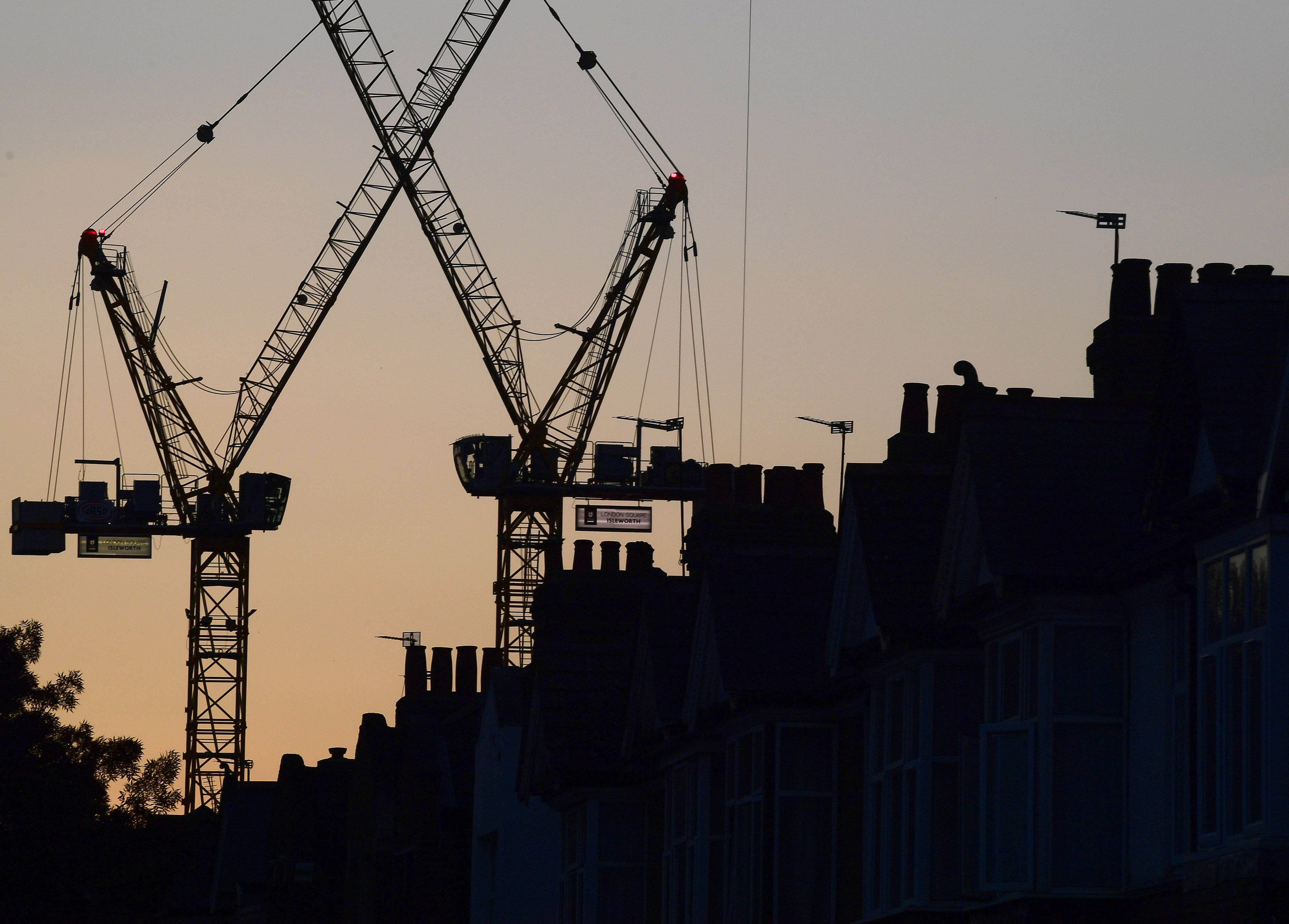
The monitoring of electromechanical installations during a building’s construction will become mandatory under new regulations discussed in parliament on Thursday.
MPs were reviewing new regulations aimed at improving inspection at construction sites and also, as a side benefit, improving the energy efficiency performance of buildings.
The designated electrical and mechanical engineers will need to monitor ongoing work at a construction site and submit reports to the supervising engineer. In turn, the latter will send the check-list to the relevant local government authority.
This is to ensure that all mechanical and electrical installations are in place and adhere to the terms of the construction permit.
The coming changes relate to new buildings but also additions/expansions to existing buildings.
In parliament, officials with the Scientific and Technical Chamber (Etek) described the development as “historic”.
They said that the extra cost arising from these inspections would, at the end of the day, translate into benefits for homeowners – as for most people, having a home built happens once in a lifetime.
The fees for the electrical and mechanical engineers would be determined by the market.
Under the new regulations, electrical and mechanical engineers whose inspections are found wanting, would be subject to disciplinary sanctions. Depending on the infraction, this may result in the temporary suspension of their license.
Akel MP Aristos Damianou noted that the proposed changes will boost building safety.
Other MPs said the changes also achieve partial harmonisation with EU Directive 2024/1275 on the energy performance of buildings.
The directive’s stated objective is to achieve a fully decarbonised building stock by 2050.
According to the EU, around 85 per cent of buildings in the bloc were built before 2000, and 75 per cent have poor energy performance. Improving the energy performance of existing buildings is key to saving energy and reducing bills for individuals and enterprises.
The EU aims to achieve the energy efficiency goal of reducing energy consumption by 11.7 per cent by 2030, compared to 2020 projections for 2030, and stimulate the rollout of renewables in buildings.





Click here to change your cookie preferences