
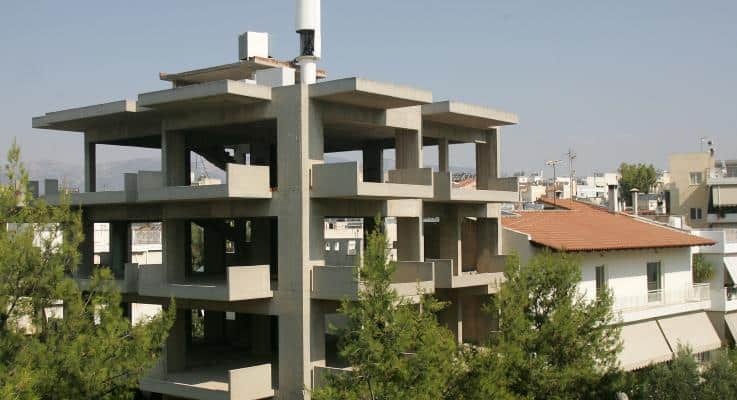
Building activity in Cyprus continued to strengthen in October 2025, according to data released on Friday by the state statistical service (Cystat).
A total of 855 building permits were authorised during the month, with a value of €447.6 million and a total area of 356.2 thousand square metres. The permits provide for 1,950 dwelling units.
Over January – October 2025, permits reached 6,490 compared with 5,955 a year earlier, a rise of 9 per cent.
At the same time, the value of licensed projects climbed by 27.7 per cent, the covered area by 30.7 per cent, and authorised housing units by 33.1 per cent.
Residential building permits totalled 4,832 in the ten-month period, higher than the 4,047 recorded in 2024.
Meanwhile, non-residential buildings fell to 684 permits from 965 previously.
Civil engineering projects increased to 391 permits from 347, and plot divisions rose to 488 from 431.
Road construction, declining to 95 permits compared with 165 last year.
In surface terms, residential developments covered 2.18m square metres, significantly higher than the 1.61m recorded a year earlier.
Non-residential buildings reached 424,127 square metres, while civil engineering works expanded to 11,970 square metres, bringing the total to 2.61m square metres.
By value, residential projects amounted to €2.50 billion compared with €1.91bn in 2024.
Non-residential projects rose to €518.6m, and civil engineering works to €148.3m.
In contrast, plot division works fell to €29.8m from €34.6m, while road construction declined to €7.45m from €12.41m.
Apartment buildings accounted for the largest share of new housing, reaching 8,519 units during the period compared with 5,958 a year earlier.
Single houses rose to 3,072 units from 2,350, and two-unit buildings to 949 from 705.
Mixed residential-commercial buildings dropped sharply to 230 units from 578.
Cystat noted that since July 1, 2024, responsibility for issuing building permits has been transferred from municipalities and district administration offices to the newly established Local Government Organisations LGOs), with applications processed through the integrated Ippodamos system.




Click here to change your cookie preferences