
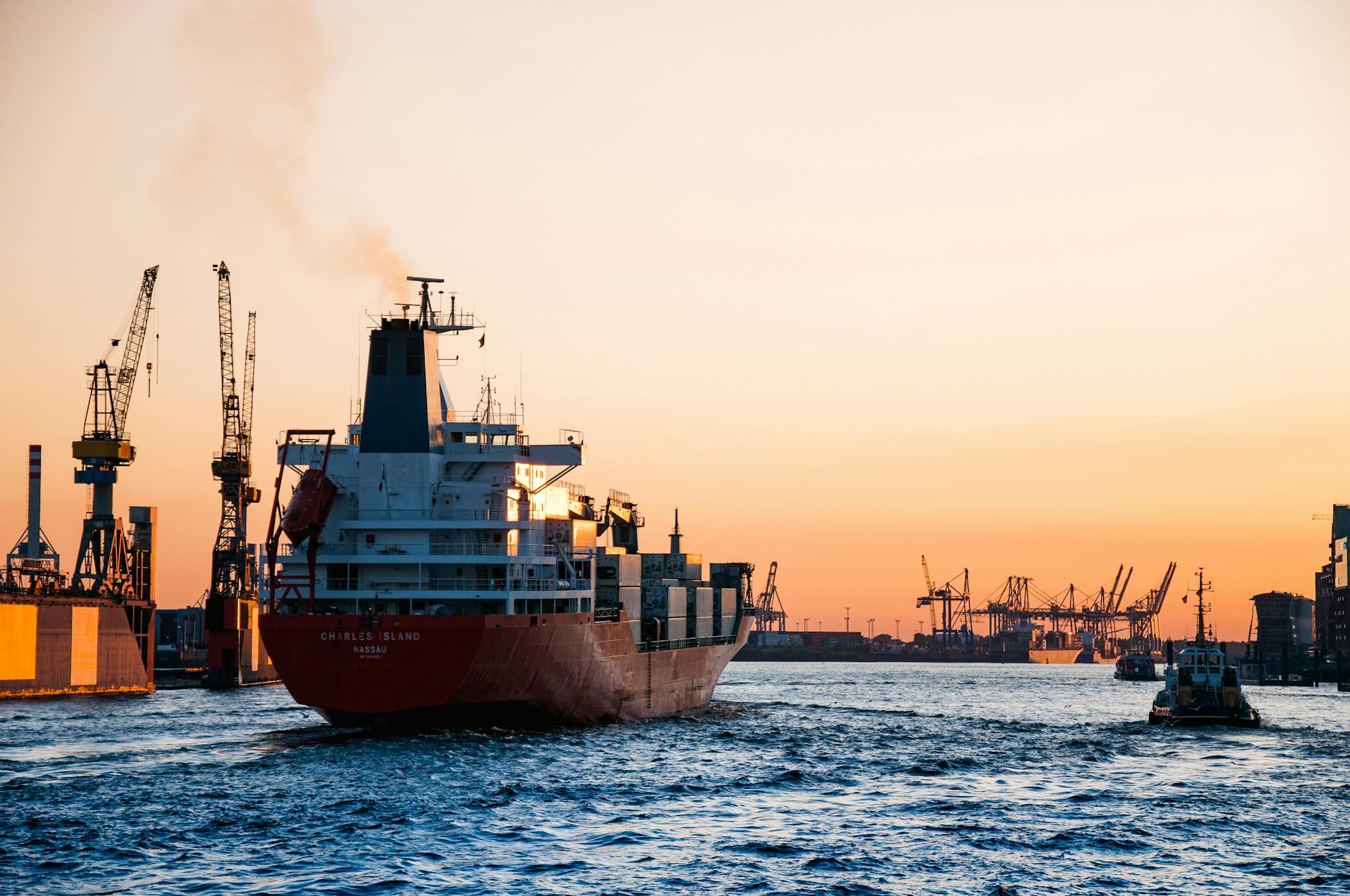
A Mediterranean alliance led by Greece and Cyprus is taking shape ahead of crucial talks on maritime decarbonisation, as southern EU shipping powers push for a slower transition at the International Maritime Organisation (IMO), reflecting growing divisions within the bloc.
The two countries have now been joined by Malta, while Italy and Spain are converging on the same line, creating a coordinated front with significant maritime weight, as mentioned in Newmoney.
France, meanwhile, is monitoring developments without committing to a position.
The alignment is driven by common structural concerns. All five countries maintain large shipowning communities, sizeable registries and heavy dependence on maritime activity, and therefore fear that European climate policy risks moving ahead of technological realities.
According to shipping sources, the group is advocating a more gradual transition, technological neutrality and the avoidance of measures undermining competitiveness of the European fleet.
This places the Mediterranean capitals at odds with northern states such as Germany and Denmark, which favour faster binding measures.
Tensions are also deepening over the European Commission’s plan to ban shipping services for Russian oil by removing the price-cap mechanism.
Greek officials have moved to freeze the initiative, warning it would further weaken the competitiveness of EU shipping, a sector considered vital for the Union’s energy and food security, while the Commission continues to press forward.
At the centre of the Mediterranean argument is the view that shipping cannot bear the cost of transition alone while green fuels remain scarce, bunkering infrastructure insufficient and global consensus absent.
Union of Greek Shipowners’ president Melina Travlou has voiced similar concerns, noting that previous attempts at international agreement failed to gather sufficient support, with numerous major registry states backing the suspension of the process.
The geopolitical backdrop adds further weight. The US has maintained a cautious stance toward the Net-Zero Framework, opposing efforts that would effectively turn the IMO into a global climate regulator, a position that indirectly reinforces calls for a slower transition.
With negotiations set to resume in October, the southern bloc appears increasingly coordinated.
The coming months are expected to test whether the alliance can steer Europe toward a more gradual decarbonisation pace or whether northern member states will retain the initiative on the green shipping agenda.




Click here to change your cookie preferences