
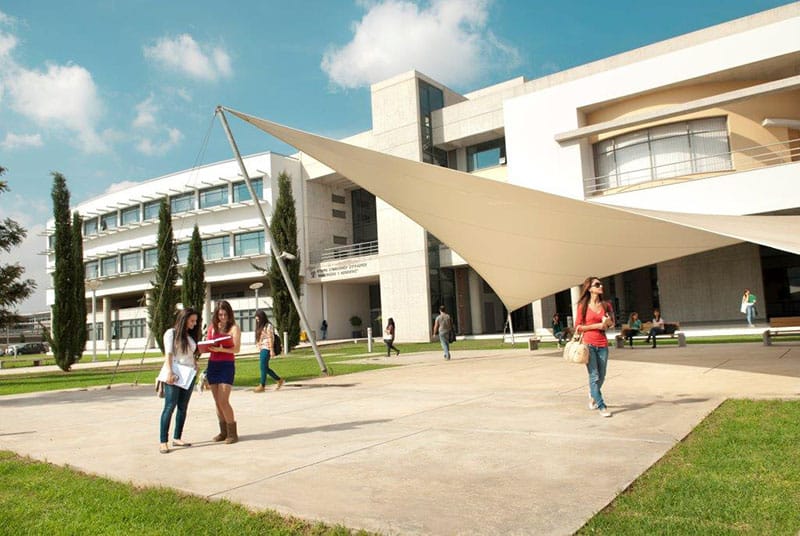
The University of Cyprus renewed its appeal to the finance ministry to proceed with the construction of four new faculties, warning that key academic units remain without permanent premises as parliament examined the institution’s €226 million annual budget.
During discussion at the House education committee on Wednesday, university representatives said the philosophy, social sciences, humanities and the postgraduate school continue to operate from rented and scattered facilities.
“We have four homeless faculties at the moment,” the university told MPs, arguing that academic planning and development are being undermined by the absence of purpose-built infrastructure.
The 2026 budget, amounting to €226 million, covers operational expenditure, salary costs and development projects, but remains constrained by tight state oversight.
Addressing the committee, vice-rector Ioannis Yiapintzakis confirmed that the medical school building will be completed by February 28, with the university formally taking possession at the end of the month.
He said the inauguration has been scheduled for March 24, marking a major milestone for the institution after years of delays to the project.
Reference was again made to the second phase of student dormitories, amid growing frustration on student accommodation.
The vice-rector explained that although a viability study has been completed, the finance ministry requested an additional comparative analysis between two construction methods, architectural competition and design and build.
The supplementary study, commissioned from the same firm at a cost of €15,000, is expected to be finalised in March.
The push for new faculties comes amid increased scrutiny of the university’s construction record.
A recent audit office report exposed significant delays and cost overruns in several major campus projects.
According to the audit, delays ranged from 11 to 35 per cent of original contractual timelines, while costs increased by up to 25 per cent.
The most serious case concerned the engineering school, which took nine years to complete, six years longer than planned, with costs rising by about €13.6 million.
The audit cited weaknesses in planning and contract supervision, warning that such practices risk undermining schedules and the protection of the public interest.
In response, the University of Cyprus rejected claims of general mismanagement, attributing delays to technical challenges, design changes and external factors.





Click here to change your cookie preferences