
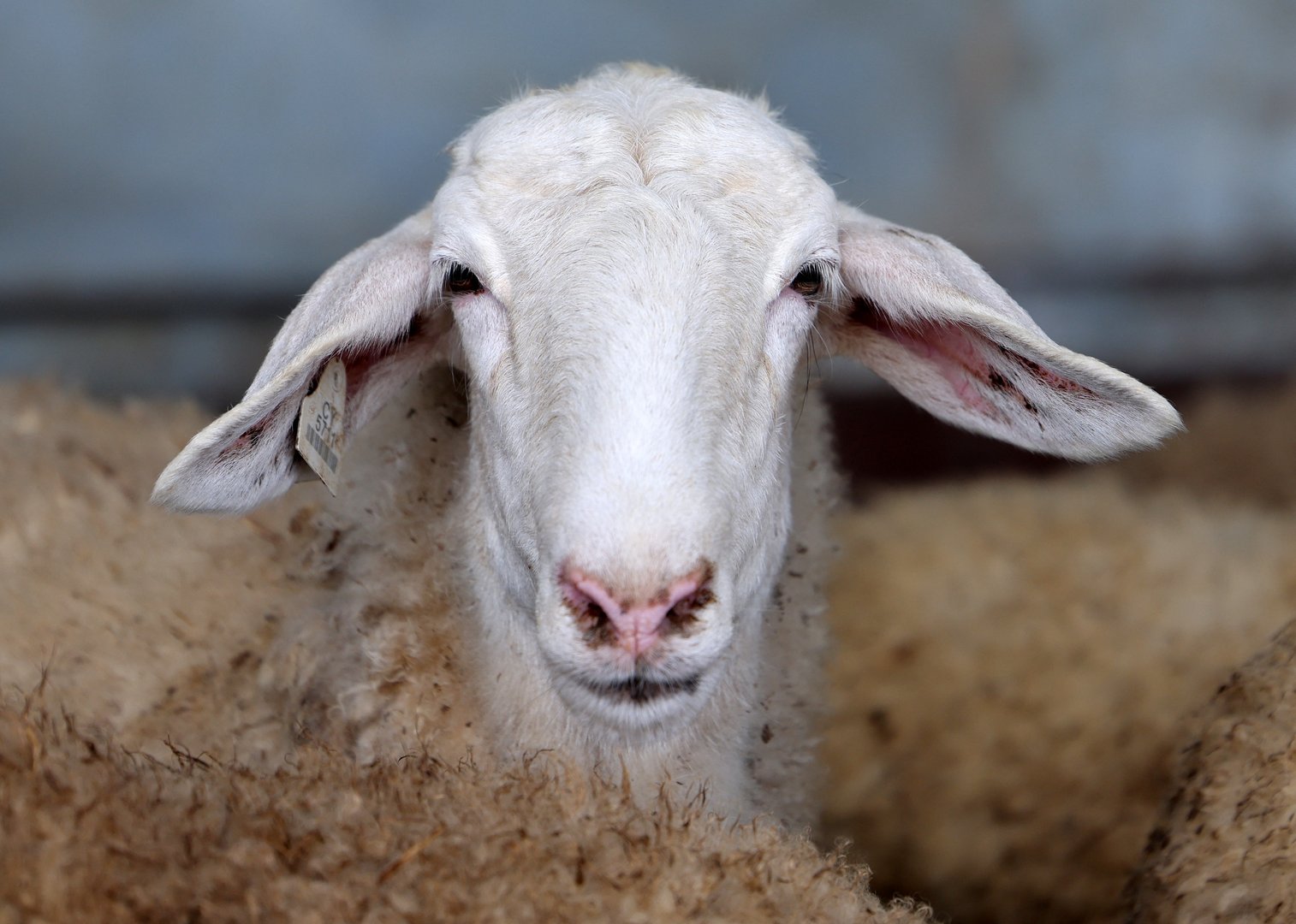
The movement of animals and animal feed was banned nationwide by the veterinary services department on Sunday as it attempts to battle an outbreak of foot and mouth disease.
“Within the framework of measures to control and limit the spread of foot and mouth disease, any movement of animals and feed, including grazing outside livestock premises, is prohibited throughout Cyprus without the prior granting of relevant approval,” the department said.
It added that this ban also entails a ban on the transfer of animals to slaughterhouses.
The outbreak is centred in the Larnaca boroughs of Oroklini and Livadia, with around 300 animals from an impacted farm in Livadia set to be culled as a result, while all products from the farm, including meat and milk, have been seized.
Meanwhile, an exclusion zone around the area was demarcated by the police, with vehicles leaving that restricted zone being disinfected upon exit, and police patrols of the area and its perimeters heightened.
Later on Sunday, Livadia deputy mayor Neophytos Fakondis explained that there are “eight farms which only have sheep” in neighbouring Oroklini, and that in his own borough, there are “five farms, one of which has only sheep, while the other four have both sheep and cows”.
He also pointed out that given that the virus has been “present for ten days on these premises”, it is likely that it will have spread to other parts of the island, before stressing that he is in “constant contact” with the veterinary services department.
Union of Cyprus farmers’ chairman Panicos Hambas said the nationwide shutdown on animal movements is “a good measure” but said that President Nikos Christodoulides must “intervene”.
“The issue concerns Cyprus’ economy … If we go to extremes and animals are lost, thousands of jobs will be lost out of nowhere,” he said.
Kyriakos Kailas, chairman of fellow farmers’ union PEA, said that while “all measures” are being taken at present to fight the spread of foot and mouth disease, “if it expands, it will be a huge disaster”.
The veterinary services department, meanwhile, cancelled staff leave and transferred veterinarians to the Larnaca district from other parts of the island, while also recruiting private veterinarians to support tracing and on-site inspections of farms.
The department, meanwhile, cancelled staff leave and transferred veterinarians to the Larnaca district from other parts of the island, while also recruiting private veterinarians to support tracing and on-site inspections of farms.
Department director Christodoulos Pipis said an investigation is currently underway to determine whether or not the virus entered the Larnaca district through animal feed brought from the north, which had suffered from its own foot and mouth outbreak in recent months.
“Animal feed is a very serious pathway for the spread of pathogens such as foot-and-mouth disease,” he said.
According to the United States’ animal and plant health inspection service, foot-and-mouth disease is “a severe, fast-spreading viral disease which primarily affects cloven-hoofed animals, including cows, pigs, sheep, goats and deer”.
It also stressed that foot-and-mouth disease is “not a human health or food safety threat”, and that it “is not related” to the similarly named hand, foot and mouth disease, which it said is a “common childhood illness caused by a different virus”.
The disease causes farm animals to suffer from fever and “severe lameness” from blisters on their hooves, mouths, noses and teats, as well as excessive drooling, a sudden drop in milk production, and a loss of appetite, among other symptoms.





Click here to change your cookie preferences