
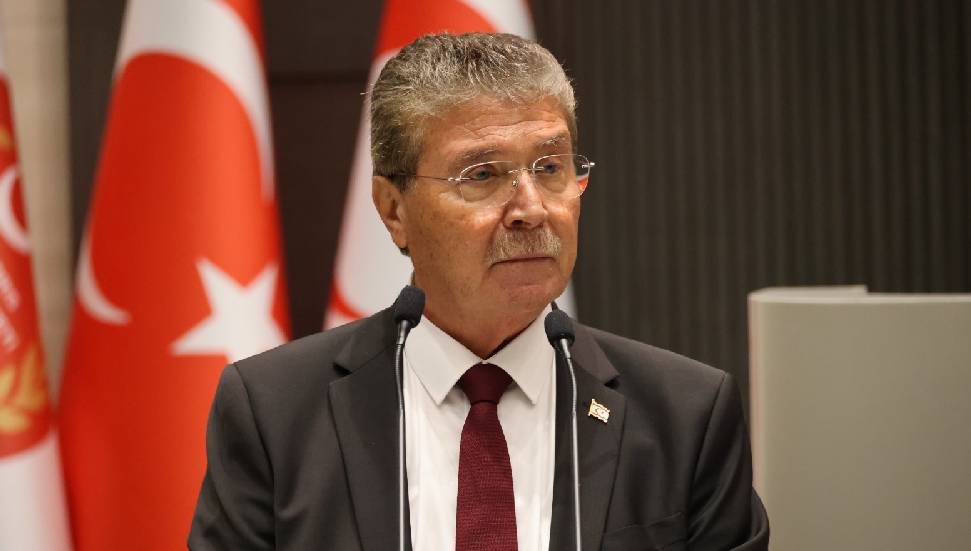
The Turkish Cypriot legislature on Monday night voted to ratify a controversial deal which will see Turkish telecommunications company Turk Telekom bring fibreoptic internet to the north.
The agreement, signed by the north’s ruling coalition and Turk Telekom last year, passed by 27 votes to 20. All 20 opposition members voted against the deal, while 27 of the 29 who belong to the ruling coalition voted in its favour.
Of the two who did not, Emrah Yesilirmak could not attend proceedings due to personal reasons and Izlem Gurcag Altugra remains absent from Monday sessions in protest at ‘prime minister’ Unal Ustel.
However, both inside and outside the legislature, it has proven controversial, given that it had initially been estimated that the deal would cost the Turkish Cypriot taxpayer €26m, but this rose to €110m in its final version.
Additionally, it gives Turk Telekom exclusive rights for the provision of home broadband internet in the north until 2051, as well as exempting the company from tax on its profits, with the Turkish Cypriot treasury instead set to receive payments amounting to the equivalent of five per cent of Turk Telekom’s profits in Cyprus.
Those exclusive rights come with internet provision in the north already tightly regulated. The use of satellite-based internet providers, such as Elon Musk’s Starlink, is already a crime punishable by up to six months in prison.
Controversy has also come from the fact that Turk Telekom had stated that it intends to lay its fibreoptic cables in existing tunnels, thus limiting the expansion of internet-based infrastructure in the north.
As well as this, the €110m provided for in the contract does not cover the cost of switchboards and cooling systems, among other pieces of secondary infrastructure which are required to facilitate the operation of fibreoptic cables.
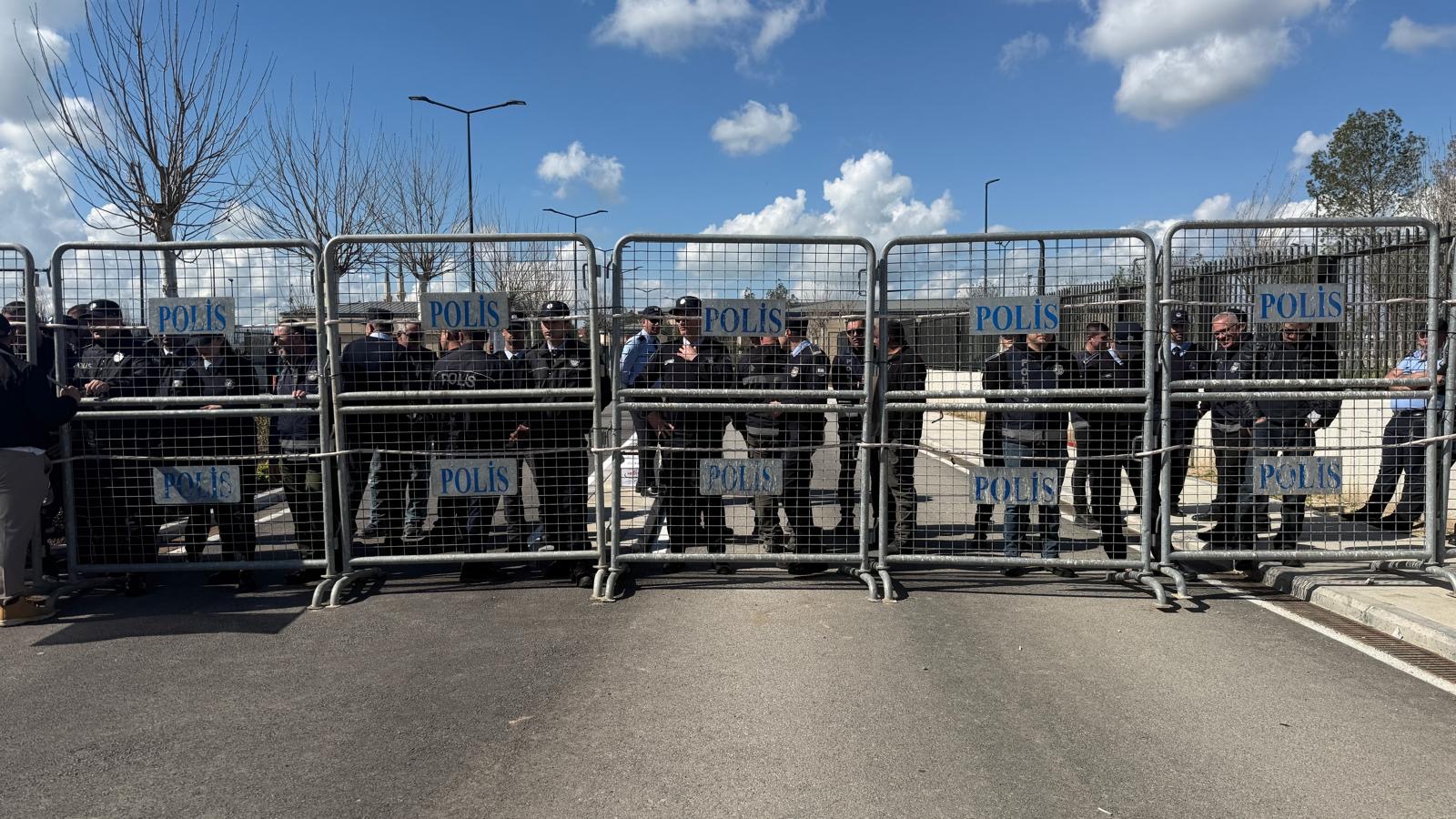
Monday had begun with protesters from various trade unions, led by telecommunications workers’ union Tel-Sen, descending on the ‘parliament’ building, only to find that the police had placed a riot fence a few hundred metres in front of the building’s main entrance.
The placement of the fence provoked bemusement among many, with opposition political party TDP leader Zeki Celer saying, “the last time Turkish Cypriots were locked out of parliament was by the Greek Cypriots in 1963 – now the UBP, the DP, and the YDP have done it today”, in reference to the ruling coalition’s three parties.
Later on Monday morning, the fence was taken down, and the protest had dispersed by lunchtime.
Ustel had moved to defend the deal in his speech to the legislature, describing it as “strategic”, and stressing that he had received assurances from legal professionals that, contrary to objections raised by some in opposition, it does not run contrary to the ‘TRNC’s’ constitution.
He also said that his ruling coalition “has no worries” about the possibility of signing additional amendments to the deal with Turk Telekom in the future so as to allay the fears of trade unions and telecommunications workers regarding the deal’s potential ramifications on their careers, given the increased presence of a company from Turkey.
“The Republic of Turkey has never said no to a Turkish Cypriot request. It did not say no yesterday, it did not say no today, and it will not say no tomorrow, either,” he said on this matter.
He later went on to say that he would “sign and approve any law brought to me by the Republic of Turkey from such a strategic position”.
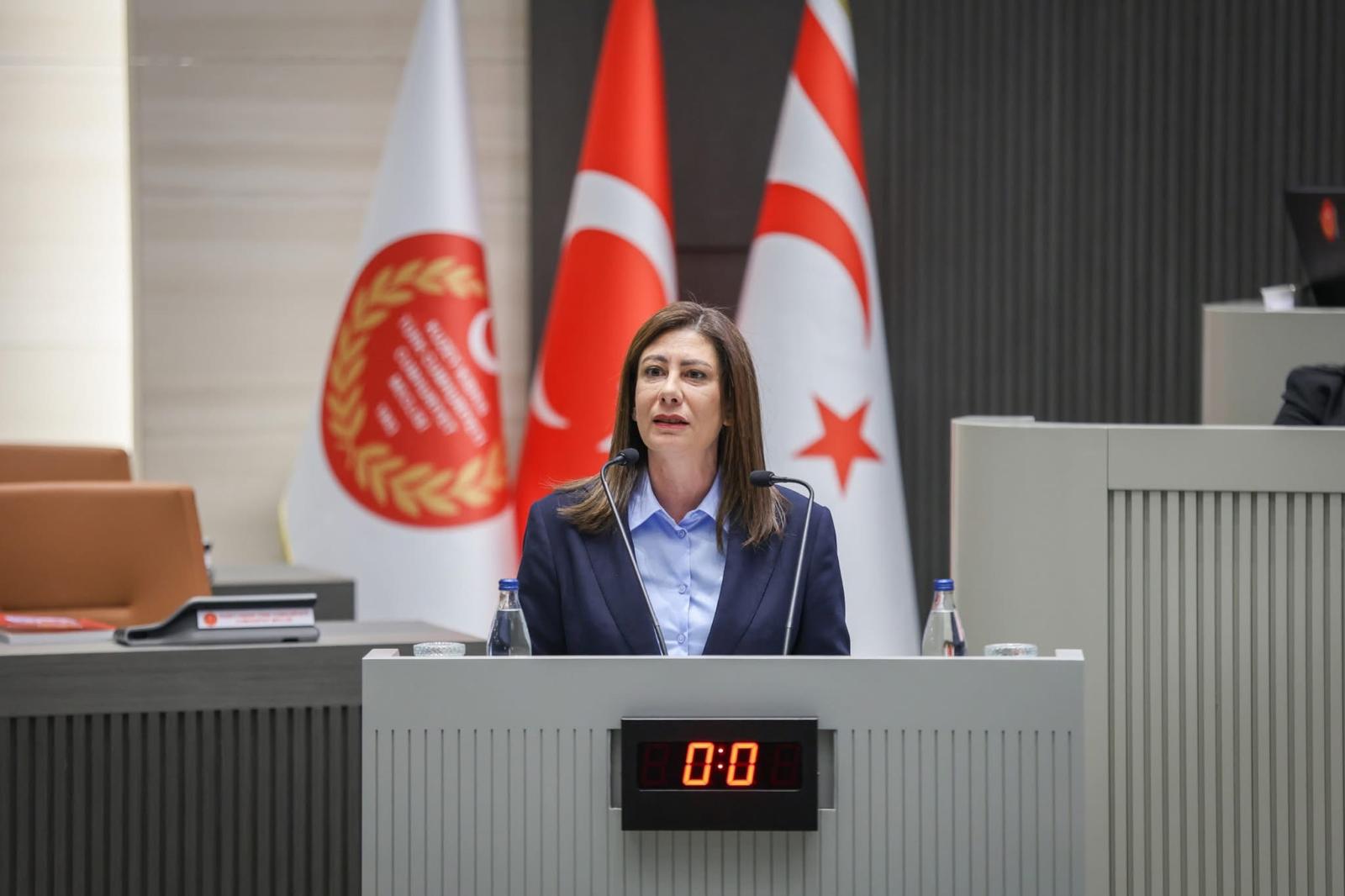
Opposition party CTP leader Sila Usar Incirli, meanwhile, was less than impressed, asking, “how can an issue where there is so much consensus come to such a terrible situation?”.
She added that there were “never any consultations” with stakeholders before the deal was signed last year, before criticising the fact that Turk Telekom was given exclusive rights to the Turkish Cypriot market.
“You said that a single investor will make this infrastructure. A single investor will do this business, and a single investor will provide telecommunication services. Dear fellow members, what is the name of this? This is called a monopoly,” she said.
She later asked, “do we really want a strategic issue like telecommunications to be monopolised in this country?”, before then saying that a separate piece of legislation would be required for the tax exemption promised to Turk Telekom in the deal to be realised.
“What are you getting in return for all this privilege?” she asked.
Later in her speech, she said the ruling coalition had “given up the sovereignty of the state” with the deal, before returning to the matter of Turk Telekom’s exclusive rights.
“What does the deal say? It says that no other company other than [Turk Telekom] will be authorised to transmit internet traffic generated within the TRNC to foreign countries. This is the transfer of exclusive authority, dear friends,” she said.
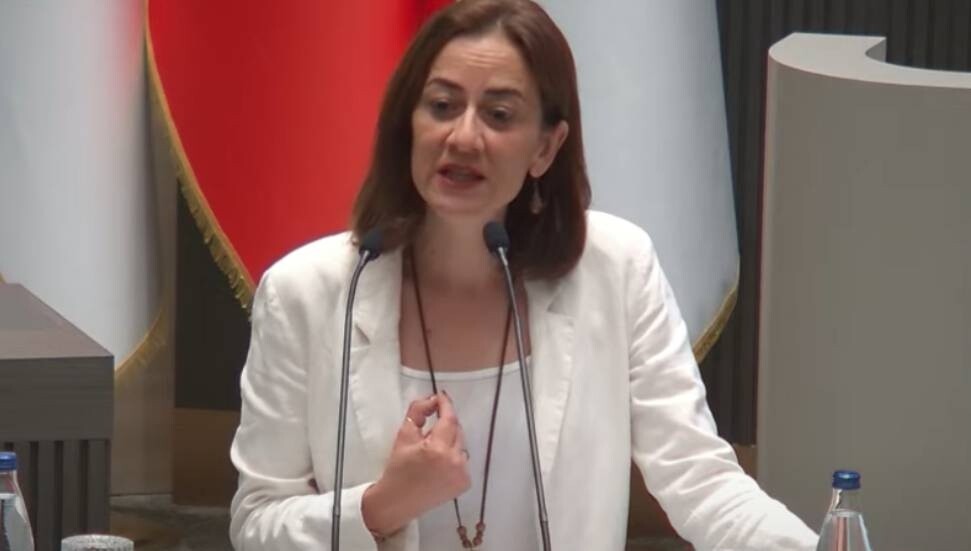
Dogus Derya, also of the CTP, offered fierce criticism for the ruling coalition for its signing of the deal, telling its members to “man up a little bit” and to “show a little bit of character” instead of taking instructions from Turkey.
She then likened the ruling coalition to “palace aides”, before accusing them of “leech politics”, adding.
“You are always stuck to something. Sometimes, you are stuck to your seats, sometimes you are stuck to Turkey, and sometimes you are stuck to private companies,” she said, before addressing Ustel directly on his claim that he would sign “anything” brought to him by Turkey.
“A person whose strings are being pulled by someone else’s hands cannot be called a prime minister. When you perform the act of being in authority, it does not mean you are actually showing authority. It is just a performance,” she said.
Turk Telekom is 60-per-cent owned by Turkey’s sovereign wealth fund and 25-per-cent owned by Turkey’s finance ministry, with the remaining 15 per cent floated on the stock exchange.


Click here to change your cookie preferences