
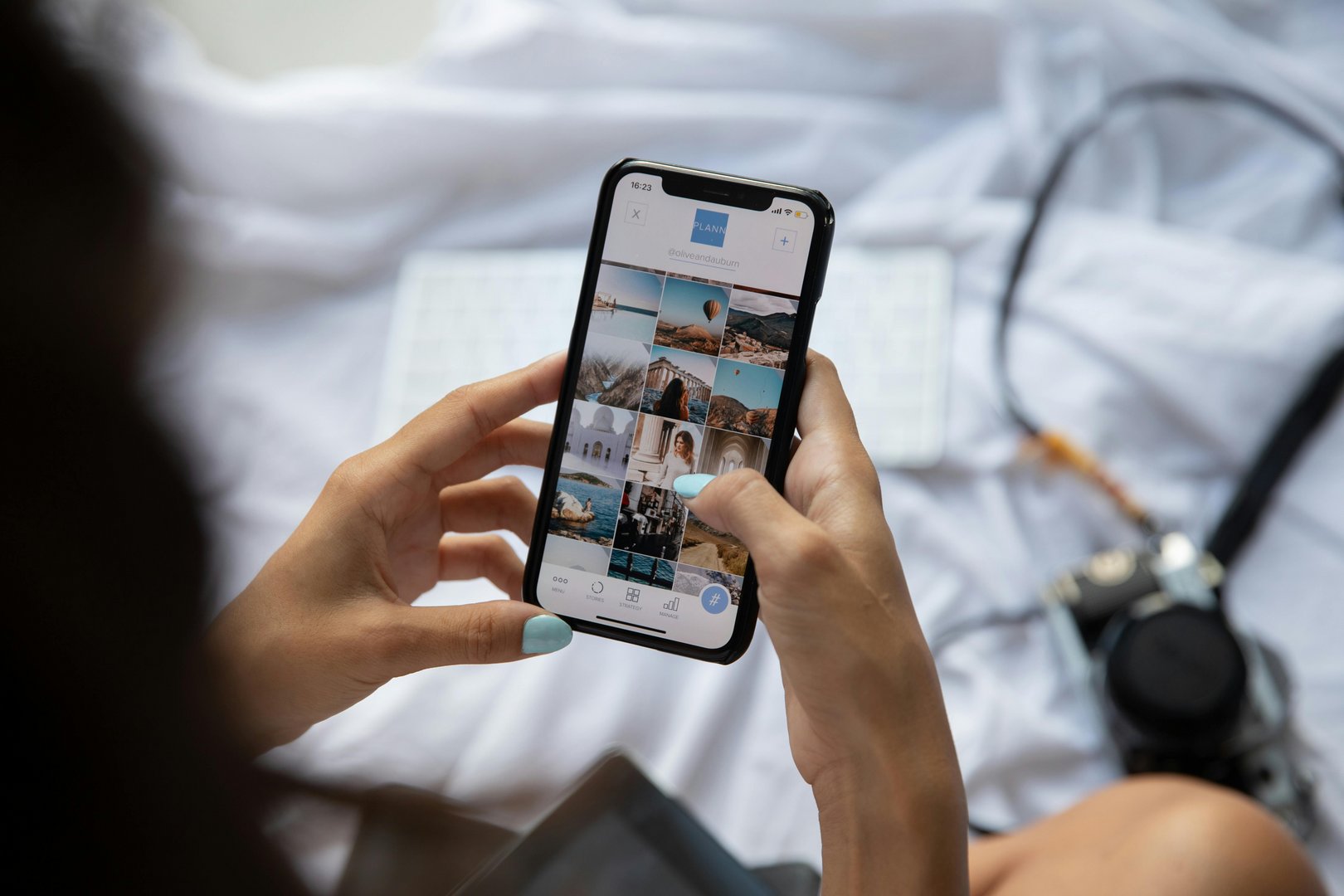
Cyprus is tightening oversight of influencer marketing, as authorities step up inspections to ensure that paid social media promotions are clearly labelled as advertising, in a global market projected to exceed $30 billion in 2025.
Once dismissed as a passing trend, influencer marketing has evolved into a dominant advertising channel.
Globally, the sector is expected to surpass $30bn this year, up from around $24bn in 2024, reflecting how strongly online personalities now shape consumer behaviour and purchasing decisions.
In the past, product promotion was largely the domain of celebrities, artists and athletes who appeared in traditional advertisements.
Today’s influencers, however, hold a different kind of power. They may not be household names, yet they maintain daily, direct interaction with their followers, cultivating a relationship that is intimate, two-way and commercially effective.
As a result, the line between personal recommendation and paid promotion has become increasingly blurred.
Against this backdrop, the consumer protection service and the advertising control agency have placed influencers at the centre of enforcement efforts.
In a joint update, the two bodies stressed that, in a digital environment where advertising is embedded within social media content, the distinction between personal opinion and commercial communication must be clear and immediately recognisable.
Under European and national consumer law, influencers who promote products or services in exchange for payment or other benefits are considered traders.
Consequently, they are required to comply with legislation on unfair commercial practices.
Speaking to Philenews, consumer protection service director Constantinos Karagiorgis said that whenever there is “any form of consideration”, whether monetary remuneration, free products, services, discounts, trips or other benefits, and the content aims to promote a business or product, the post constitutes advertising.
In such cases, he explained, the commercial intent must be stated “in a clear, distinct and immediately perceptible manner”, so that consumers understand without doubt that what they are viewing is an advertisement.
Any indication that is hidden, unclear or placed in a way that makes it difficult to interpret may amount to a misleading commercial practice.
Moreover, consumer protection in the digital economy is a priority under the European Commission’s 2030 Consumer Agenda, prompting national authorities to intensify supervision of influencer marketing.
From the beginning of 2025, the service, in cooperation with the agency, carried out targeted inspections of influencer accounts across social networking platforms.
According to Karagiorgis, the investigations focused primarily on transparency in commercial collaborations and the avoidance of misleading practices.
Cases were identified where partnerships were not clearly disclosed.
As a result, 14 warning letters were issued during the first round of checks, alongside one administrative fine. Monitoring in 2025 covered nearly 4,000 posts from more than 30 influencers.
A second round of inspections, focusing on accounts with significant appeal to young people aged 18 to 25, led to six additional warning letters.
A new investigation is already underway, while supervisory and information actions are expected to continue into 2026.
“Our goal,” Karagiorgis said, “is to consolidate a culture of transparency, effectively implement the legislation and strengthen trust in the digital market.”
In parallel, the agency launched a broad information campaign targeting influencers, advertising agencies and businesses. Its president, Sotiroulla Sotiriou, said the authority collaborates with an international platform that registers influencers across various social media channels, ensuring the reliability of the data used in monitoring.
During 2025, the authority sent informational emails to more than 30 influencers, outlining their obligations.
Advertising agencies that are members of the Cyprus Advertising and Communication Association, as well as businesses belonging to the agency, were informed about the Influencer Marketing Guide and the correct use of hashtags to disclose the commercial nature of posts. It was also clarified that the creation of “collab posts” does not automatically amount to disclosure of commercial intent.
Where businesses outside these associations were found to be insufficiently informed, additional guidance was sent.
Between February 1 and 25, 2025, the first monitoring wave examined more than 100 Instagram posts by 23 influencers and over 200 TikTok posts by 12 influencers.
Six further waves followed between March 17 and November 16, bringing the total number of posts reviewed to 3,631 from 32 influencers. In total, seven detailed reports were submitted to the service, including observations and recommendations for further action.





Click here to change your cookie preferences