
Cases of foot and mouth disease in livestock units in Larnaca most likely originated in the north, head of the Turkish Cypriot Veterinary Association Burak Toskoy said on Tuesday.
“It remains unknown whether the disease was transmitted from [the north] or whether it originally passed from the south to the north,” he said.
Although Toskoy emphasised that there was currently a lack of evidence confirming how the disease had spread to the Republic, he acknowledged that it had likely come from the north.
He added that rumours regarding the origin of the disease had been going around ever since its first outbreak in the north in December 2025, with some claiming it had meanwhile been circulating in the south.
The Cyprus News Agency, citing anonymous sources from the north, said that it had been informed that controlling the situation in the north remained difficult as epidemiological surveillance was limited due to the north’s ‘governmental’ structures.
According to the same sources, the uncontrolled movement of animals across the divide could not be fully prevented due to smuggling, leaving room for the further spreading of infectious diseases.
Toskoy said the two-dose vaccination of cattle in the north has been completed.
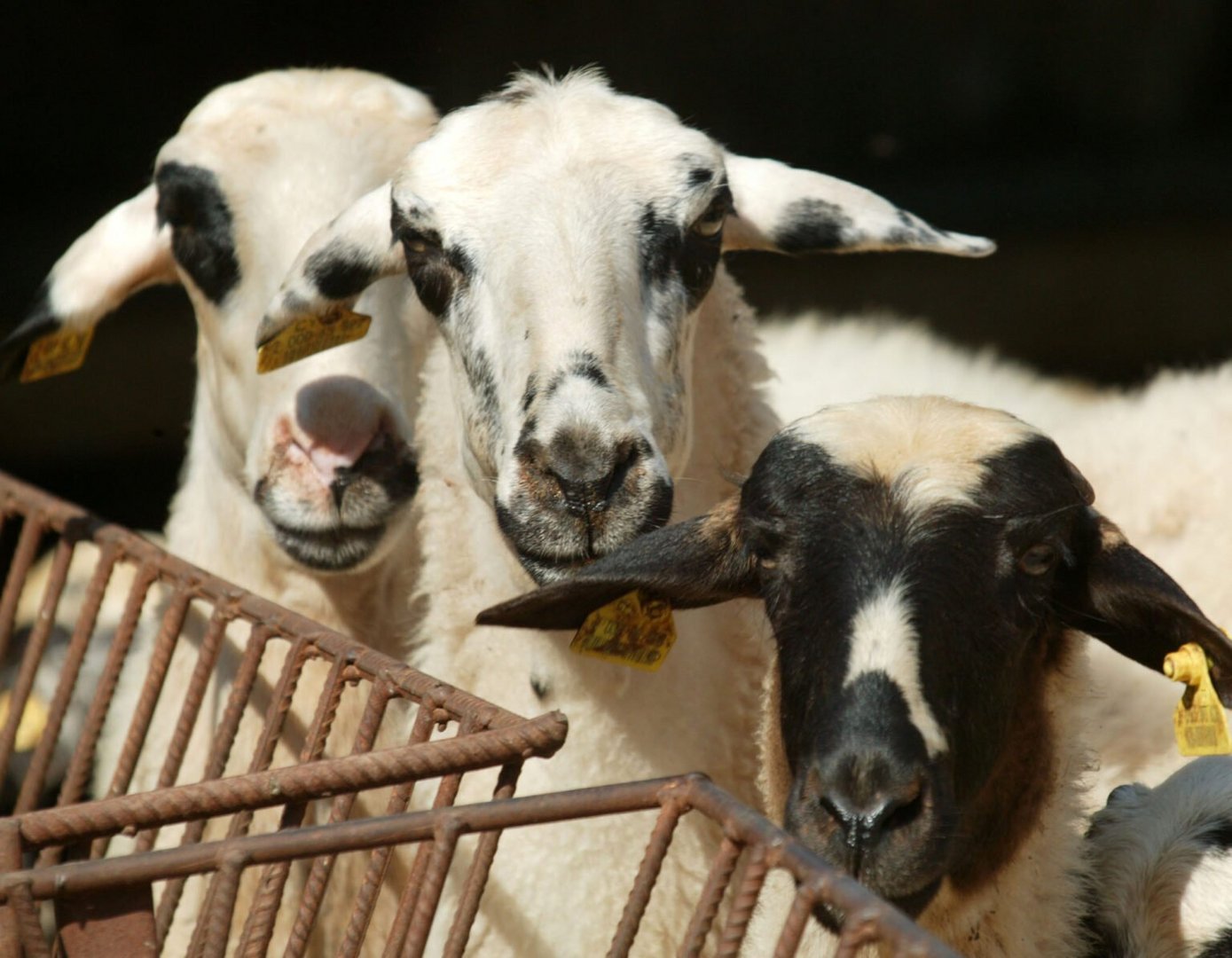
Meanwhile the vaccination of goats and sheep, made possible through vaccinations provided by the European Union, is ongoing and is anticipated to be finalised by March.
The European Commission provided a total of 500,000 doses of the foot-and-mouth disease (FMD) vaccine to the north on February 14, intended to be administered to small ruminants including goats and sheep.
While the outbreak soon prompted concerns over the disease’s spreading to the south, it took until Friday until the first case was confirmed at a cow-breeding unit in Livadia, in the Larnaca district of the Republic.
The Veterinary service said epidemiological investigations are under way to determine how the virus reached the Livadia unit.





Click here to change your cookie preferences