
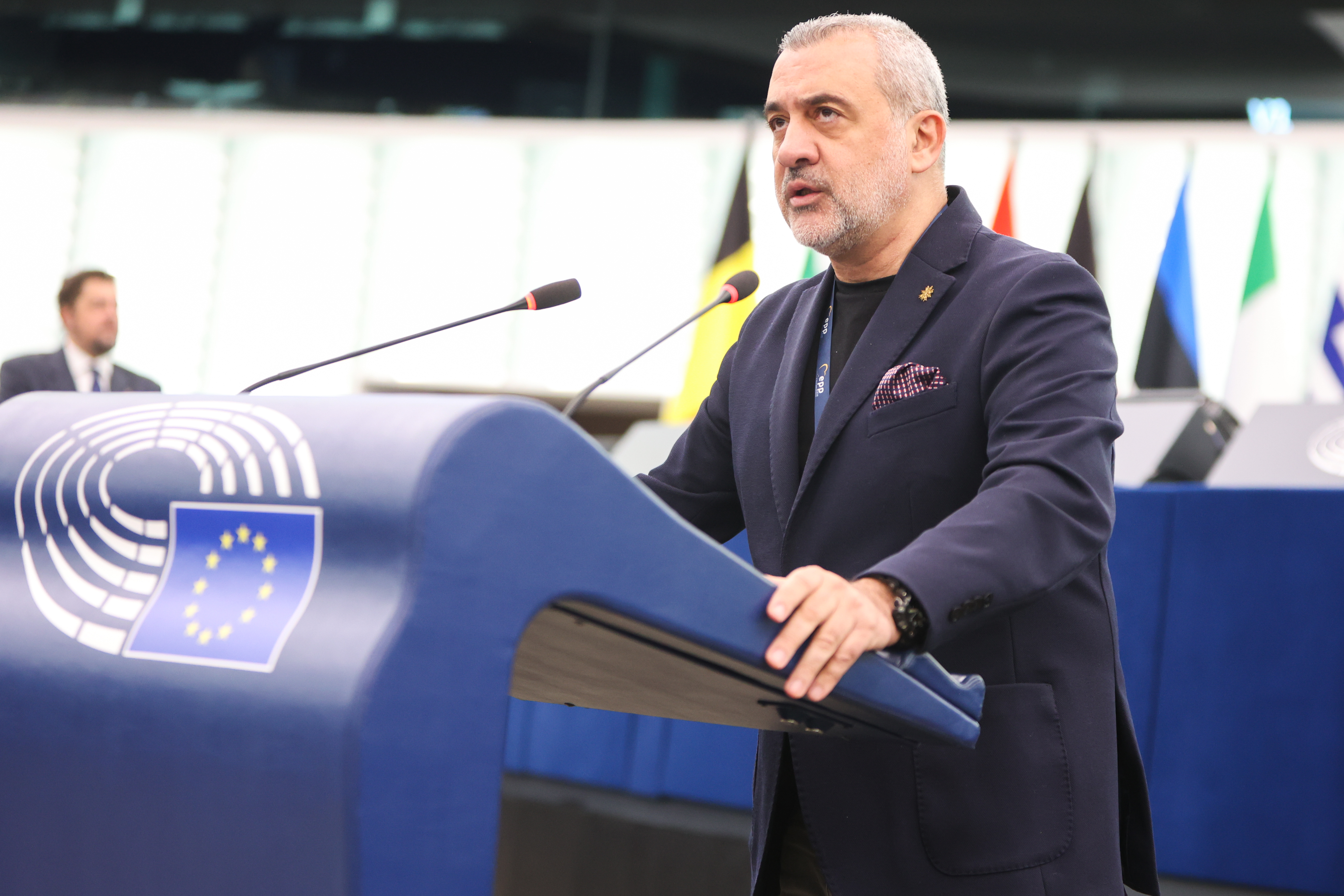
It is Turkey which “controls things in Cyprus”, Cypriot member of the European Parliament Loucas Fourlas, of Disy, said on Wednesday, as the parliament’s petitions committee (Peti) discussed the town of Famagusta, and in particular the fenced-off area of Varosha, in the presence of its mayor-in-exile Simos Ioannou.
“What are we doing? This is a story of sadism. It can only be sadism to charge someone as a tourist to go and see their own house. To go for a walk, to buy themselves a drink, and to see their own dilapidated house. It is a story of sadism in the heart of Europe,” he said.
He added, “if we put all the resolutions and support we have got so far, it would stretch from here [Brussels] to Varosha”, before turning his attention to the matter of Turkish Cypriot leader Tufan Erhurman, who is yet to address the matter of Varosha, opened to the public by his predecessor Ersin Tatar, since taking office last October.
“I heard about Mr Erhurman. We all welcomed the election of Mr Erhurman, as the man who believes in a solution. Why does Mr Erhurman not do anything about Varosha? Do you know why? It is not because he does not want to. It is because Turkey controls things in Cyprus. Turkey and Ankara,” he said.
He then criticised the European Union for pursuing closer relations with Turkey despite the fact that Varosha remains abandoned, saying, “this is the same Turkey that we Europeans want to put in the [Security Action for Europe] Safe programme to protect us”.
“We want to put Turkey in the institutions, give it a role, and we forget that Cyprus is a European territory which is occupied. Continue to get closer to Turkey and we will have a lot more Varoshas in Europe,” he said.
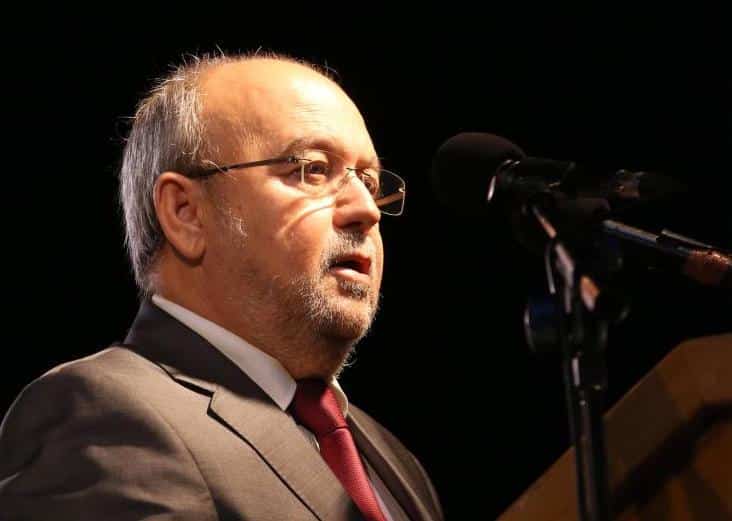
In his own address, Ioannou had said that Varosha is “a symbol of a violation of international law” and highlighted that “since 1974, [Turkey has not] allowed the return of its illegal residents”, while also making reference to the United Nations security council’s resolutions 550 and 789.
Resolution 550 states that the security council “considers attempts to settle any part of Varosha by people other than its inhabitants as inadmissible” and called on the Turkish Cypriot authorities to transfer control of the area to the UN.
Resolution 789, similarly, called for the area controlled by the UN peacekeeping force in Cyprus (Unficyp) to be “extended to include Varosha”.
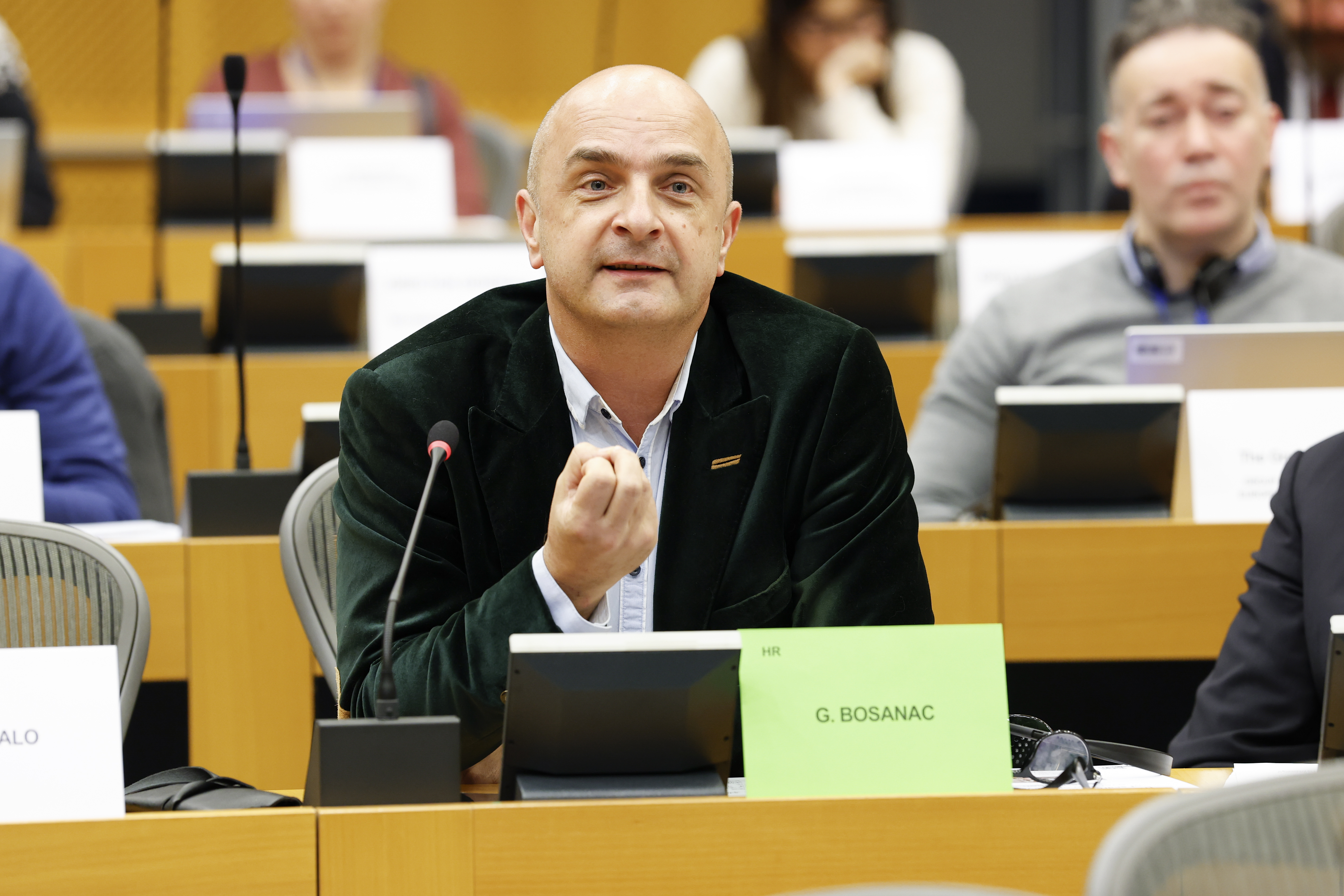
Croatian MEP Gordan Bosanac, of the country’s ecologist We Can! party, likened the situation in Varosha to the reintegration of Eastern Slavonia into Croatia, with the region having remained outside Croatian control at the end of the Croatian war of independence in 1995, with Serbs in the region operating a breakaway entity.
It was, through UN facilitation, integrated into Croatia gradually between 1995 and 1998.
“I know how important it was for Croatians, even under the occupation, to come and to visit their homes, and I know it was one of the things that … people should, even if the territory is occupied, they should be allowed to approach their homes,” he said.
Of a possible solution in Cyprus, he said that “it is possible”, and suggested a possible gradual return of Greek Cypriots to Varosha in the event of a solution to the Cyprus problem.
“It is possible, I don’t claim it is something that Cyprus could just take it over, because there are so many reconciliation initiatives which have been launched in the past, because this conflict is much older than the one which was in Croatia,” he said.
He also called on the EU to be more proactive on the matter, saying firstly that the European parliament is “talking a lot about military conflicts going on in Palestine, Gaza, Ukraine”, but that “we forgot that justice and peace was not fulfilled on the Cypriot island”.
To this end, he said that “maybe it is time to see and explore from the Commission’s side what the European Union, apparently as a key peaceful project in the world, can maybe do and … give another chance to find a way”.
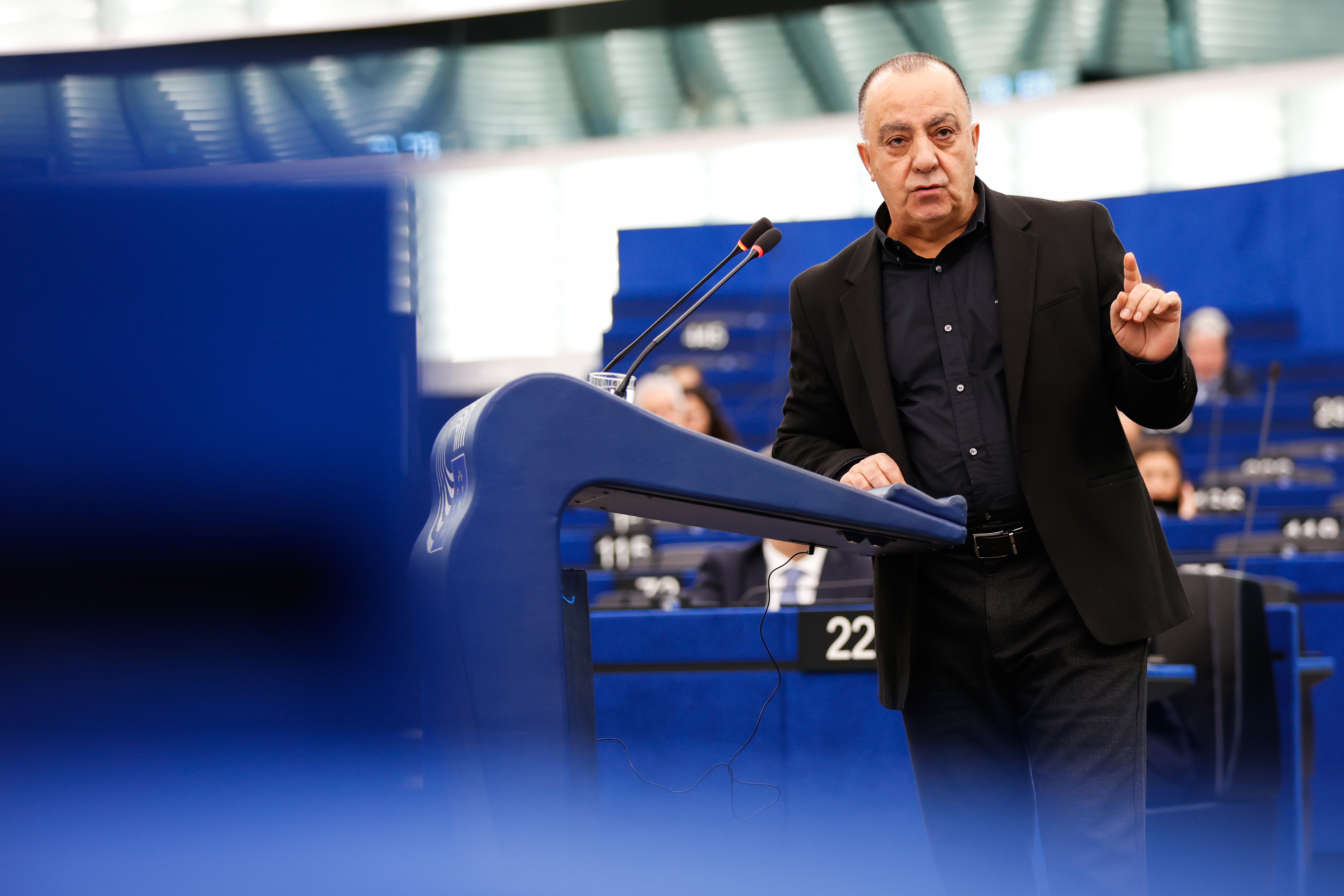
Akel MEP Giorgos Georgiou stressed his agreement with Bosanac, saying, “the problem will neither be solved with bullets or with screaming, but through a peace process”.
He also stressed Famagusta’s historical significance, saying that “Famagusta can only be compared to two other cities in world history – with Stalingrad and Missolonghi, as three cities that resisted to the end to repel their enemies”.
“Famagusta resisted the Turks in 1570 for a year. The Venetians defended it. Unfortunately, in ’74, the city surrendered and fell without a fight. Not one bullet was fired in Famagusta. The Turks came in from one side and went out the other,” he said.
He then also called for more action from the EU, saying that “the question is what the European Council and the European Commission are doing with a Turkey which has been violating international law for 52 years”.
Turkey, he said, is “provoking in the eastern Mediterranean, violating Cyprus’ exclusive economic zone, has not a trace of democracy in its country, has imprisoned everyone, has not left a journalist, a politician, or a single person outside of prison”.
He said that despite this, “we are pampering it, upgrading its customs union, liberalising visas, participating in high-level dialogues”.
“Is this not a shame for Europe? Should Europe not do something?”
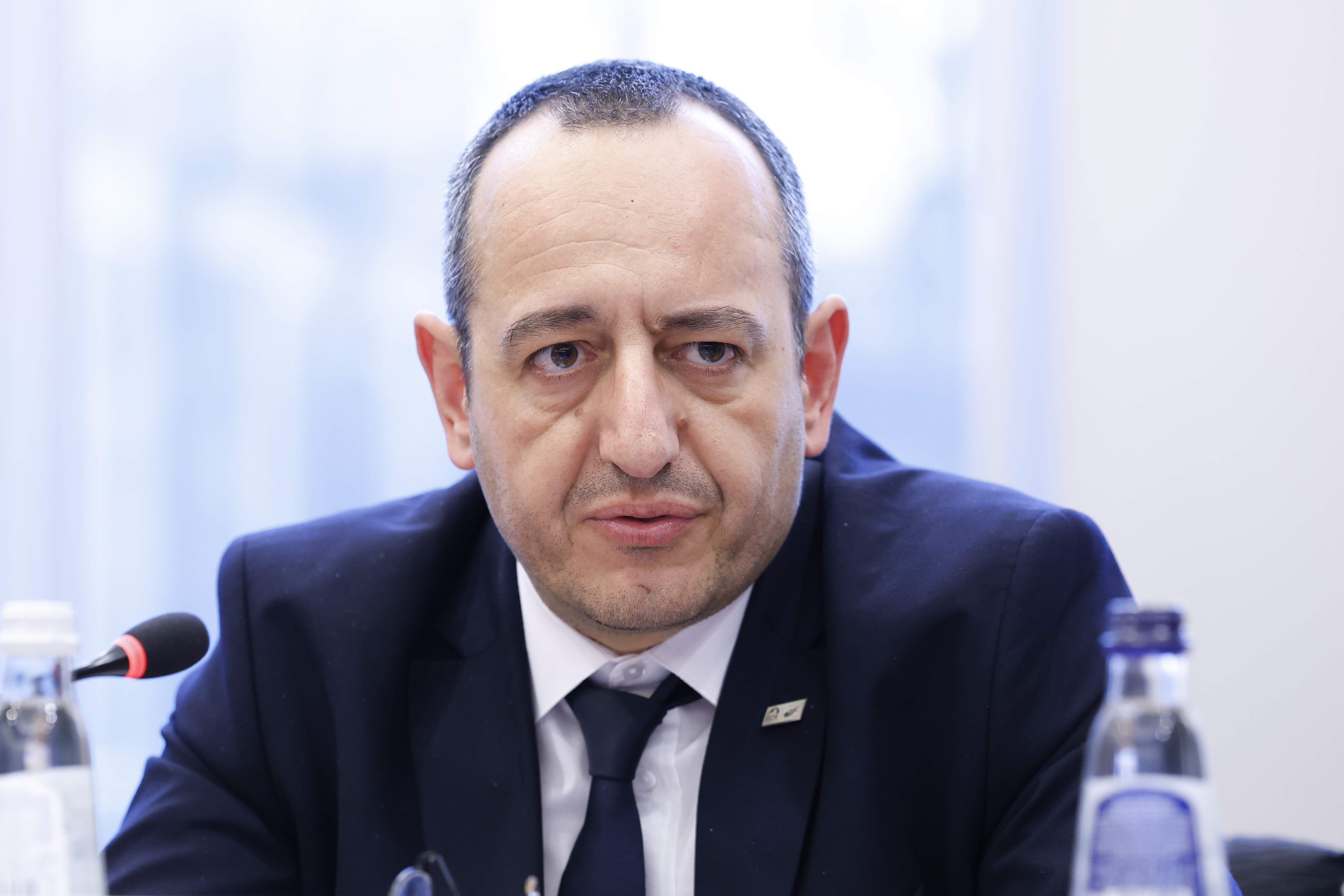
Elam MEP Geadis Geadi, meanwhile, took umbrage at Fourlas’ mention of Erhurman, saying, “let me make a correction: there are no elections in illegal regimes”, and that “there is no elected leader in the occupied territories, to clarify some things”.
He also criticised the ongoing talks on the Cyprus problem, saying that “I am hearing some reports about finding confidence-building measures with the other side, the Turkish Cypriots, as mentioned earlier”.
“It is as if we are talking today about the Russian invasion of Ukraine and instead of showing our hand to Russia, we are talking about confidence-building measures with the Russian-speaking Ukrainians,” he said.

Click here to change your cookie preferences