
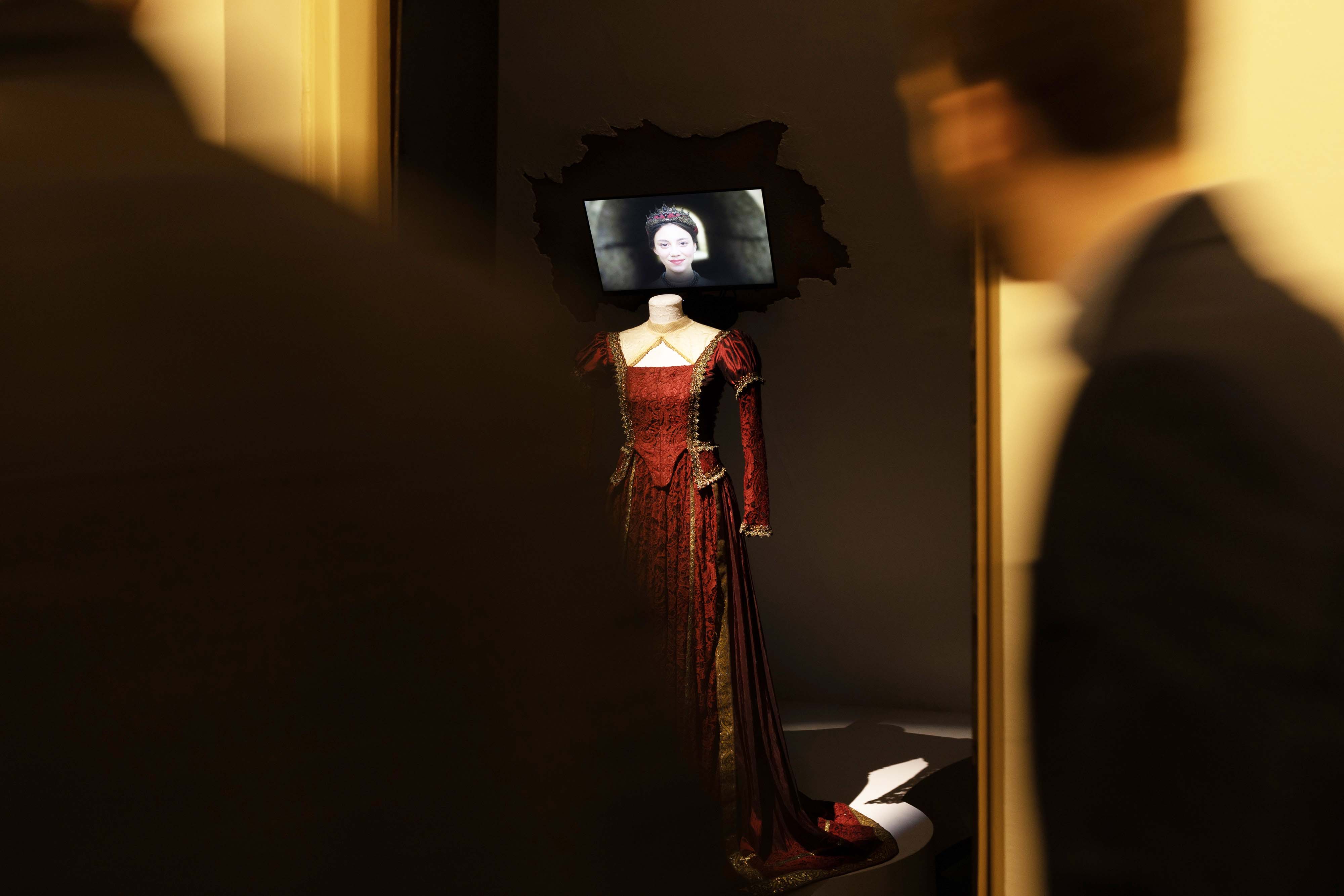
The stories of these three women aptly reflect what the women of Cyprus experienced in 1974 as a result of the invasion, and what we continue to experience since then
Three heroines of Mediaeval Nicosia – Elena Denores, Lucretia Lasse and Katerina Flangi – have been brought back to life in an exhibition showcasing the life of women who shaped the capital as we know it today.
And at the centre of this fascinating display are the poems about these three women by historian and poet Nasa Patapiou.
“The three heroines of Nicosia in the poems shed light on the history of Nicosia because they are not only related to important figures of the time but are also directly connected to mansions, bastions, temples and other landmarks of our capital, while they themselves are living testimony to the aftermath of war and directly linked to the traumas and wounds of 1974,” says Patapiou.
“Archival research opens up new avenues, and poetry certainly preserves and commemorates events in a more apt way than history itself. Let us be guided by vision and not follow the beaten track.”
The exhibition Mediaeval Nicosia, organised by the Press and Information Office (PIO), opened on February 27 at the old town hall of the capital atop D’Avila Bastion of the city’s Venetian Walls, and will remain open till June 25.
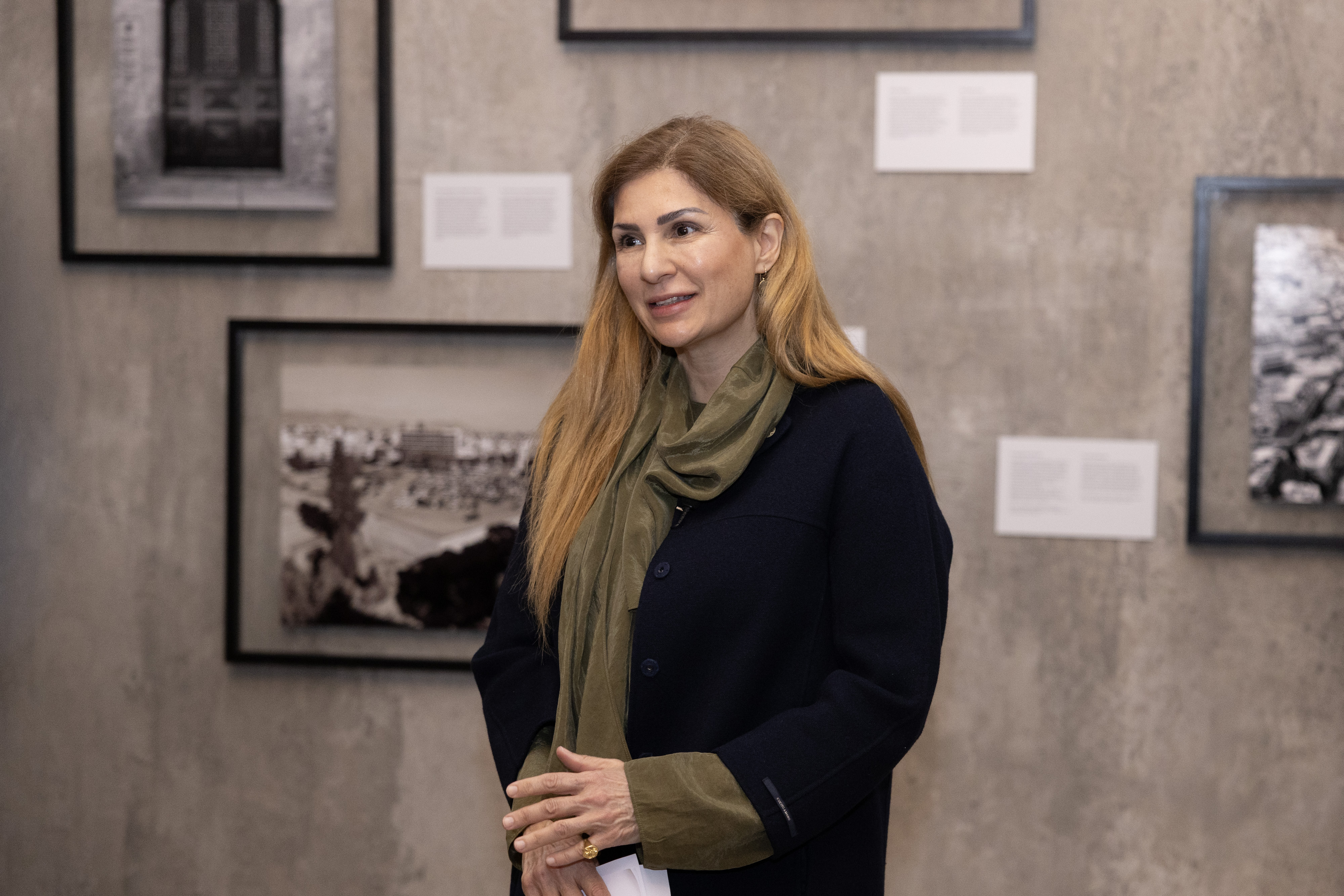
PIO director Aliki Stylianou highlighted the historical figures in a speech presenting the exhibition to delegates at the 15th Annual Direct Dialogue between EU Capital City Mayors and the European Commission, under Cyprus’ EU Presidency.
Cyprus, in the easternmost corner of the Mediterranean, belonged to Europe until the Ottoman conquest in 1570-1571. Mediaeval and Renaissance Cyprus existed as a province of empires with capitals in Constantinople and Venice, but also as an independent European kingdom under the rule of the French Lusignan dynasty.
“How many constructions and impregnable buildings, how many mansions and ruined residences have been rebuilt and are constantly being rebuilt, how many arid and barren places have been transformed into fertile lands. What love, how much affection and kinship between Venetian blood and Cyprus! What a transformation in the noble way of life!” Stylianou said, quoting Ioannis Denores.
Denores, one of the most prominent Cypriots, addressed the Doge and the authorities of the Republic of Venice on December 21, 1520 in Venice, as a representative – together with his compatriot Evgenios Synglitikos – of the urban community council, that is, the Università del Regno di Cypro.
Denores, scion of a family that had settled in Cyprus in the 13th century, was an important landowner and merchant. He was elected Viscount of Nicosia and in 1529 acquired the title of Count of Tripoli, while Synglitikos ensured that he also acquired a similar status as Count of Rocca.
“In the personalities of Denores and Synglikitos, the elements of the prevailing social class in Cyprus are portrayed, who, with only a few exceptions, held their headquarters in Nicosia. The capital of Cyprus, on the eve of the Ottoman invasion, had approximately 25,000 inhabitants and was the most populous city in the Greek-speaking East and the overseas territories of Venice,” Stylianou explained.
They had frequent contacts with Venice for matters related to public administration, relationships with prominent families of the Metropolis and Cyprus, estates, income, profitable commercial activities and education, especially from the University of Padua, which was the pre-eminent educational institution in Venetian territory.
“In 1553/54, the Calabrian composer Giandomenico Martoretta, returning from the Holy Land, stopped in Cyprus and was hosted by Elena Denores and Petros Synglitikos. She was one of the three mediaeval ladies we present in this exhibition, as depicted in the poems of Nasa Patapiou,” Stylianou said.
Martoretta was impressed by Elena’s beauty and dedicated a madrigal to her, that is, a musical composition of the time for four voices, calling her “the young daughter of Leda, to whom all of Cyprus turns its devotion”.
“Synglitikos, Denores, Kostantzos and Davilas are all examples of Cypriot rulers to whom writers, poets and historians have dedicated their work,” Stylianou said.
“It is no coincidence that in 1567 many of the names given to the bastions of the newly built fortresses in Nicosia derive their names from these prominent families.”
Venice had decided to build the new fortification of Nicosia to defend the city after becoming aware of the Ottomans’ expansion plans and the fragility of the earlier Lusignan fortifications. Giulio Savorgnano was the architect of the Venetian Walls and was sent to Cyprus from Venice to build them. According to him, Venice used to build fortresses in its distant possessions, so as to force the enemy into months-long sieges until help could be sent from Venice.
“The walls of Nicosia – the Venetian walls – are circular in shape and include 11 bastions named Caraffa, Podocataro, Constanza, D’Avila, Tripolis, Roccas, Mula, Quirini, Barbaro, Loredan and Flatro. They are undoubtedly the most important monument of the 16th century that defines the mediaeval Cypriot capital. It is a monument designed by Savorgnano but was built by the people residing in Nicosia,” Stylianou said.
“These people were none other than the Greek and Orthodox indigenous inhabitants of Cyprus.”
And those inhabitants lived very hard lives.
“While the aristocracy of Nicosia lived in an extravagant way, the common people were suffering and during the carnival of 1566 they organised an uprising because there was no bread left for them. Venice had left the grain warehouses in Nicosia empty, leading its residents to despair and ultimately to rebellion,” Stylianou said.
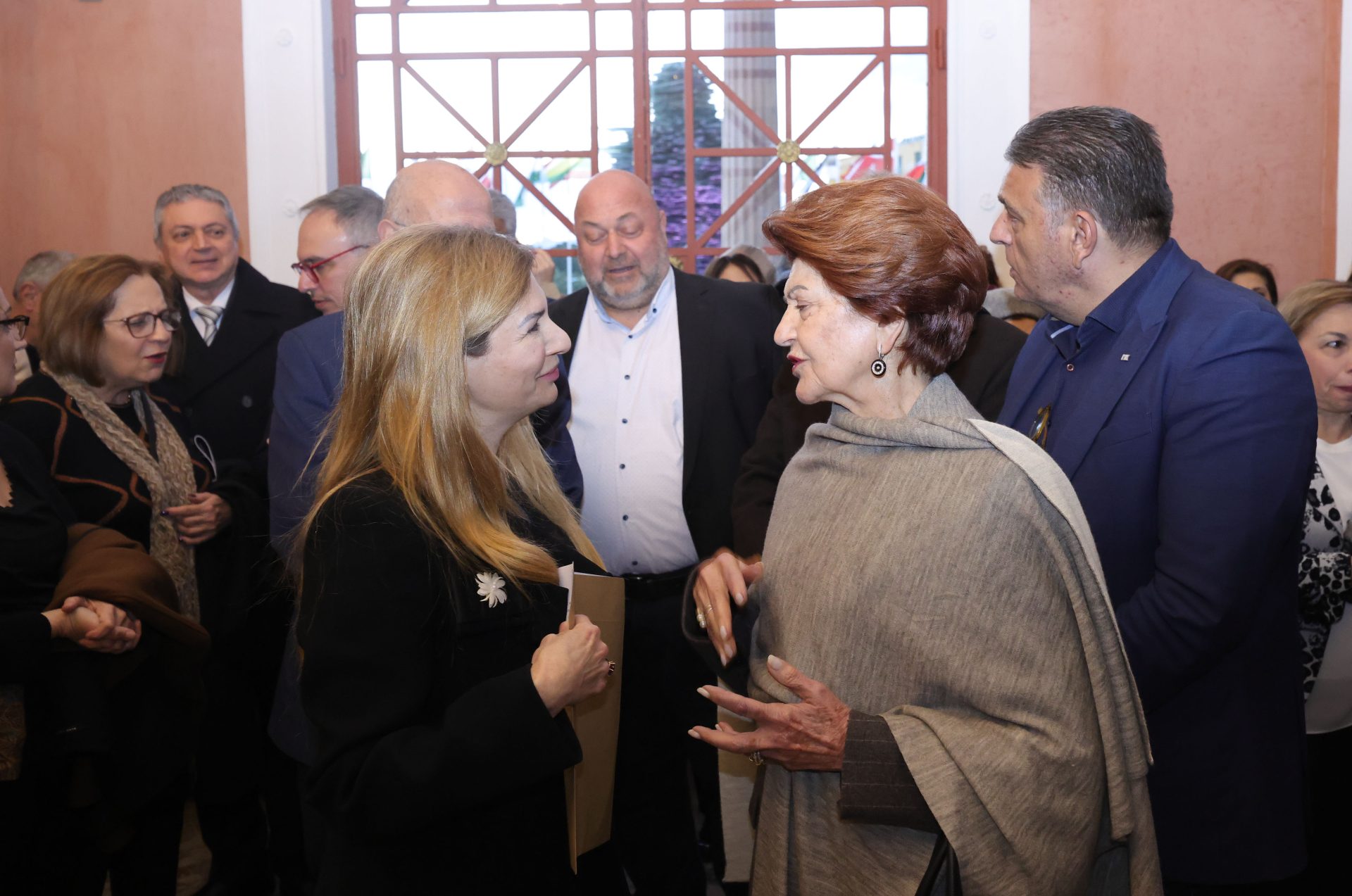
PIO director Aliki Stylianou with Androulla Vassiliou at the opening on Friday
According to Anna Marangou’s research into Giulio Savognano’s correspondence at the time, the research of Professor Gilles Grivaud and the publication by the Bank of Cyprus Cultural Foundation, the work of the Venetian walls began on the June 1, 1567. According to the monk Bartolomeo Nogiero, 80 churches, two monasteries, 11 palaces and 1,800 houses were destroyed for the construction of the new fortification. The demolition of the houses was organised by the mathematician Giovanni Sozomeno.
Since the 1974 invasion, the bastions D’Avila, Constanza, Podocataro, Caraffa and Tripoli are located in the free areas, while the bastions Roccas, Mula, Quirini, Barbaro and Loredan are located in occupied Nicosia. The Flatro bastion is located on the Green Line.”
In addition to the bastions, the walls had three main gates: Famagusta Gate (Porta Guiliana – named after Giulio Savorgnano), Kyrenia Gate (Porta del Proveditore) now in occupied Nicosia and Paphos Gate (Porta San Domenico).
“The rise and development of Nicosia’s society, with its increasingly Italian supremacy, came to an end with the fall of the city to the Ottomans on the 9th of September 1570, only 13 months after Savorgnano’s departure from Cyprus to Venice. Nicosia only withstood a four-month siege,” said Stylianou.
“It is this period – the Venetian rule of Cyprus from 1489 until the fall of Famagusta Walls in 1571 – that we are attempting to present in this exhibition, on the occasion of the Cyprus Presidency of the Council of the EU 2026, highlighting Cyprus’ close ties with Europe. The stories of three women, Elena Denores, Lucretia Lasse and Katerina Flangi, give life to the 82 years of the history of Mediaeval Nicosia through the poems of Nasa Patapiou.”
According to Patapiou, the three heroines are not mythical figures, nor were they chosen at random. The names of their families are still remembered today, either because they are borne by some of the bastions of Nicosia or because of the important role they played in many areas, such as the defence of Cyprus in 1570, the construction of the capital’s fortifications, or as patrons of literature and the arts, or even because they left behind written works about the war in question and their era.
With the conquest of Cyprus by the Ottomans in 1570-1571, not only did the last bastion of Christianity in the East fall, but it also marked the departure of many Cypriots, those who survived, of course, to Venice and other cities in Italy, as well as to the Venetian-ruled Greek regions.
Many of them arrived in Venice and elsewhere penniless and destitute. Some managed not only to get back on their feet but also to become powerful and financially strong through trade or other lucrative activities and to benefit their small homeland, which had become a province of the then vast Ottoman Empire.
ELENA DENORES
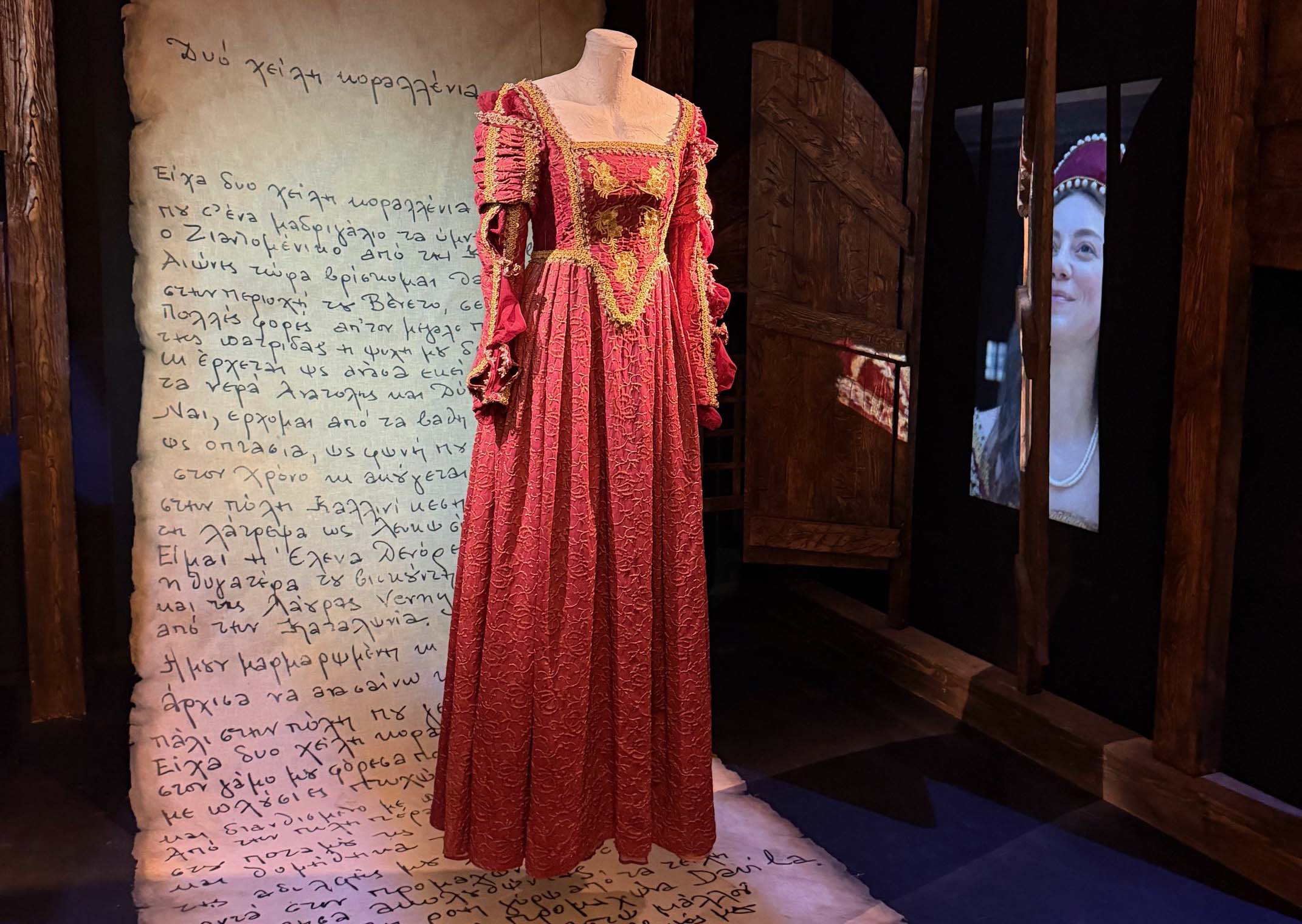
The Denores family of Cyprus, from which Elena’s father came, had distant origins in England, and had settled in Cyprus from the Latin Kingdom of Jerusalem. Her mother, Laura Verny, had distant origins in Catalonia. The family’s most important fiefdom was Assia in Mesaoria and the surrounding area.
Around 1521, her family bought the vacant title of the county of Tripoli from the Venetians, and the third count of the family, James, built the Tripoli bastion of the walls of Nicosia and ultimately fell defending the city.
She is the only woman from Cyprus to be praised in a madrigal by the Italian composer Giandomenigo Martoretta (1515-1566), while the third book of his madrigals (Venice 1554) is dedicated to her husband Petros Synglitikos, who fell at the Davila bastion in 1570 defending Nicosia.
After her release from captivity, which took place during the Ottoman invasion of Nicosia, she fled to Venice and married Diomedes Strabalis, known from a chronicle bearing his name. The mansion of her sister Andriana Denores Cornaro was demolished for the new Venetian fortification of Nicosia.
The husband of her sister Lucretia, Livius Podocataro, built the bastion of the same name, and the mansion where they lived is now known as the house of the dragoman (interpreter) Hatzigeorgakis Kornesios.
LUCRETIA LASSE
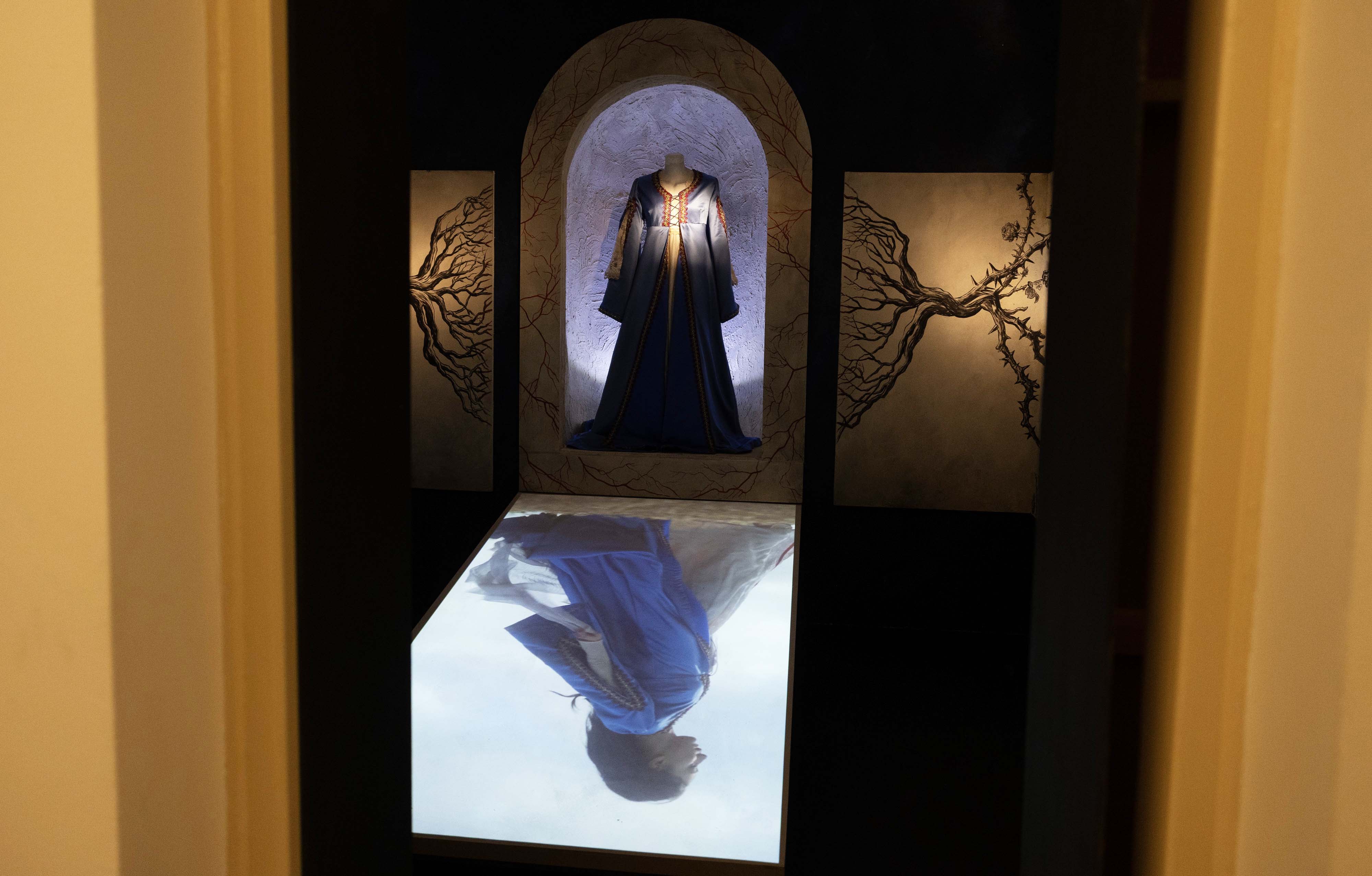
Born to a Greek mother and a father of Frankish origin, Lucretia Lassé came from the famous Frankish family that had settled in Cyprus together with the royal house of Lusignan. She lived in a mansion near Ayios Loukas in Nicosia, which belonged to Queen Katerina Cornaro and was purchased by her father when he married her to a member of the great Synglitikos family, who built the Rochas bastion and were founders of churches.
Three months after her marriage, Nicosia fell to the Ottomans, her family was killed, and she lived as a slave for 20 years. When she was freed, she fled to Venice and fulfilled her vow by donating a work by the great painter Ioannis Kyprios depicting the Resurrection of Christ to a Venice monastery. This icon is now in the Museum of the Serbian Orthodox Church in Belgrade.
KATERINA FLANGI
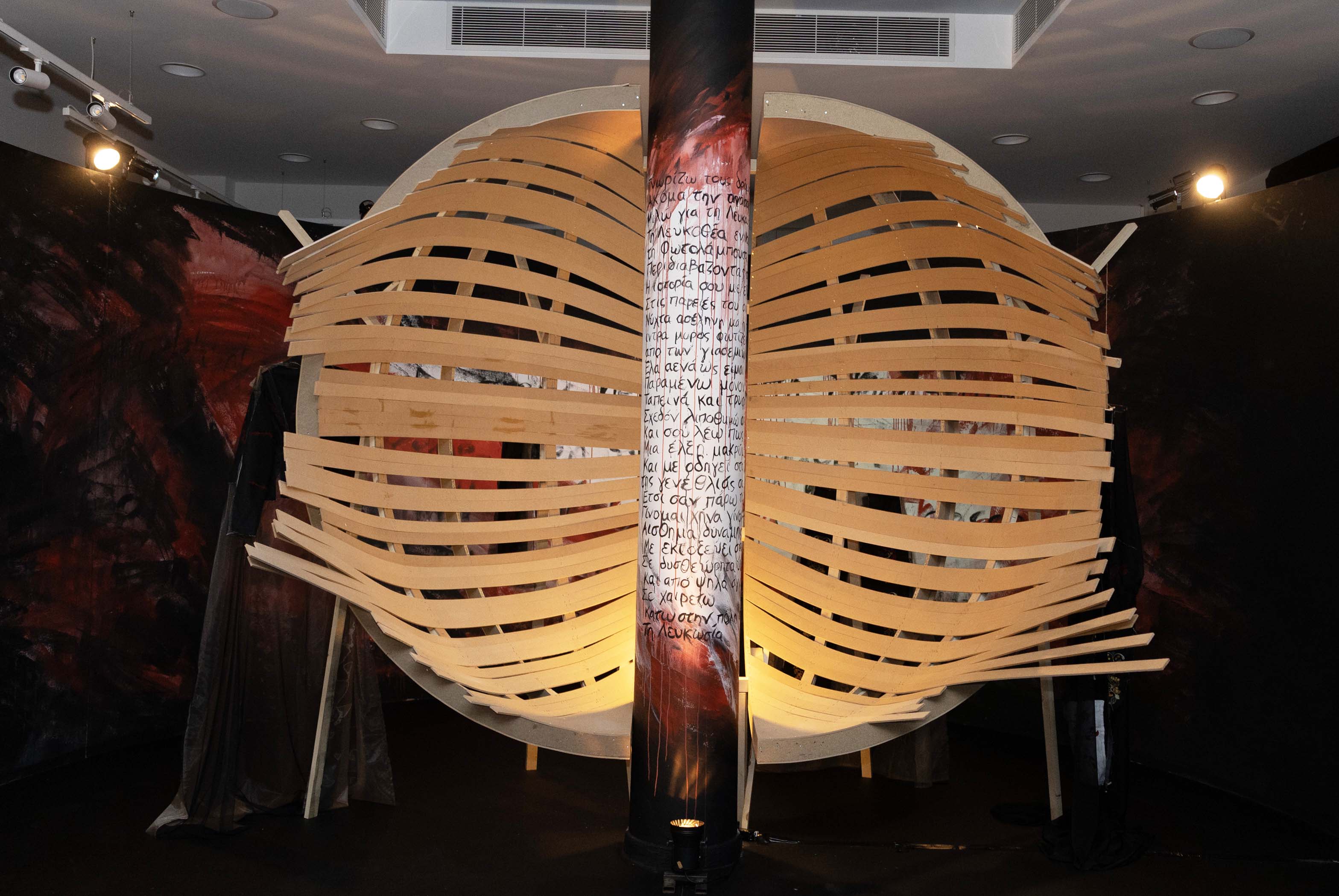
Katerina Flangi hailed from an eminent Cypriot family that excelled in many fields, some of whose members held mainly ecclesiastical positions.
The surname Flangi undoubtedly attests to the Cypriot origin of the family of the same name, as it comes from the French word flanc, in the Cypriot dialect flangi/flantzi, meaning liver, and is a remnant of the long Frankish rule on the island.
The Flangi family of Cyprus, which later became known in Venice as Flangini, has been documented on the island since the 15th century. Cypriot chroniclers and, above all, Venetian sources mention members of the same family who pursued an Orthodox ecclesiastical career. Among them are a priest, a protopope and three bishops. In chronological order, these are Bishop Ioannis Flangis of Solea (Nicosia), Bishop Stefanos Flangis of Lefkara (Limassol) and Bishop of Paphos (Arsinoe) and hymnographer Konstantinos Flangis.
During the siege of Nicosia, Katerina Flangi was killed along with other members of her family including the Bishop of Paphos, Konstantinos Flangis. According to her father, who later fled to the West, as soon as the Ottomans entered Nicosia, the teenage Katerina cut her long hair, dressed in men’s clothes, and fought against the enemy, falling heroically for her country.
“The stories of these three women aptly reflect what the women of Cyprus experienced in 1974 as a result of the invasion, and what we continue to experience since then. And all this because war has always had the same abhorrent face,” the introduction to the exhibition says.
Mediaeval Nicosia
Organised by the Press and Information Office (PIO), exhibition continues until June 25. Old Nicosia town hall, D’Avila Bastion. Wednesday and Friday 4-9pm. Saturday and Sunday 10am-1pm. Free entrance




Click here to change your cookie preferences