
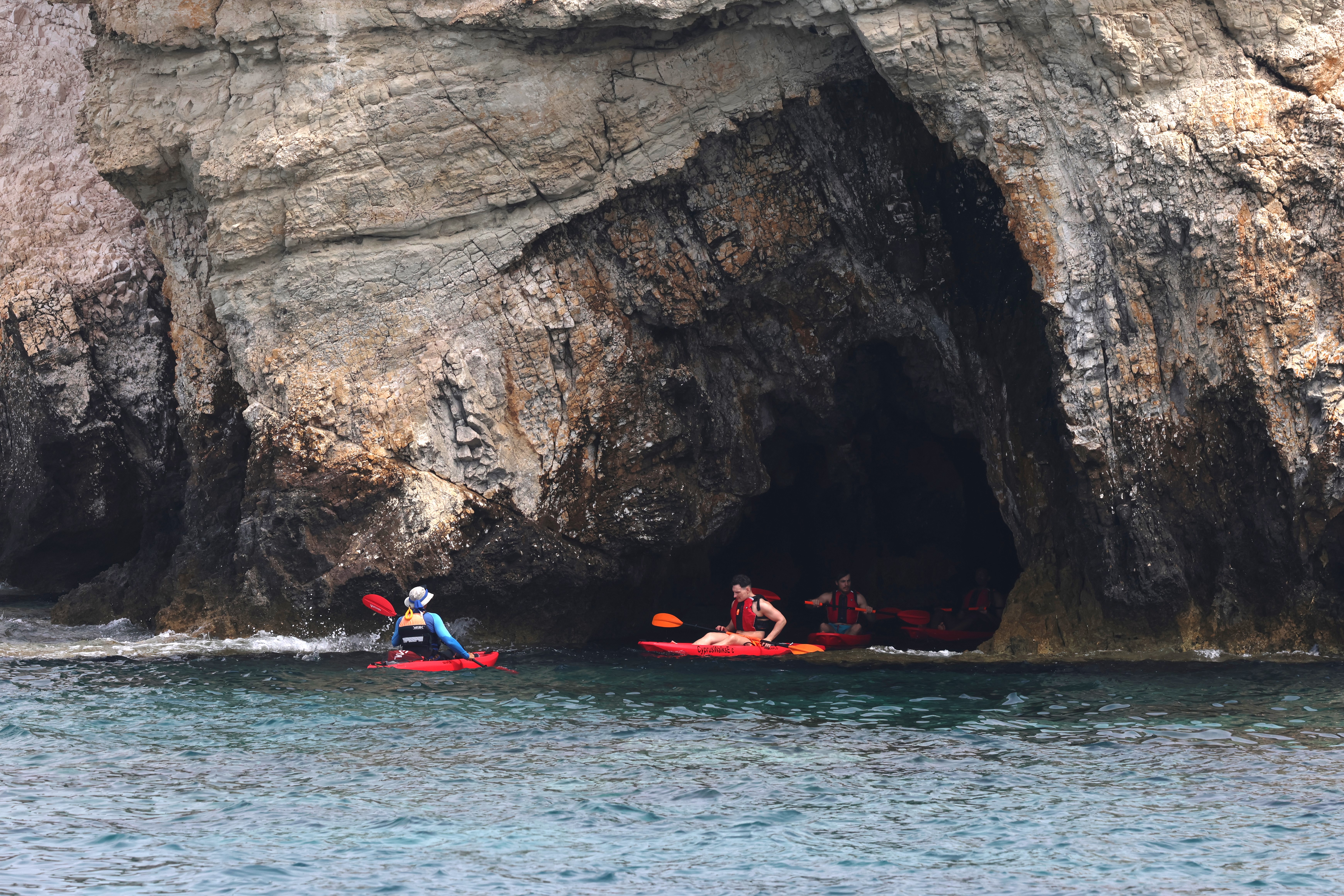
With the arrival of the summer tourism season in Cyprus, thousands of residents and visitors will once again enjoy the island’s coastal and marine environment. Cyprus’ seas are not only a cornerstone of the country’s tourism and economy, but also an important part of its natural and cultural heritage, supporting unique marine biodiversity that has existed in the Mediterranean for centuries.
As human activity at sea increases during the summer months, awareness and responsible behaviour become more important than ever. Protecting marine wildlife and respecting sensitive habitats are essential steps towards ensuring that future generations can continue to enjoy healthy and vibrant seas.
Among the species that depend on Cyprus’ coastal waters is the endangered Mediterranean monk seal (Monachus monachus), one of the rarest marine mammals in the world. Although the species has shown encouraging signs of recovery in recent years, it remains highly vulnerable to human disturbance, particularly from marine traffic and coastal activities.
To support the coexistence of marine wildlife and sea users, Enalia Physis Environmental Research Centre, together with SPOT Marine Life and IUCN Centre for Mediterranean Cooperation, published this year a handbook of “best practices to minimise impacts of human activities on marine mammals and sea turtles in the Mediterranean Sea” with the financial support of the Monk Seal Alliance.
The handbook provides practical guidance for touristic boat operators, recreational boaters, fishers, divers, and all sea users on how to responsibly behave around marine mammals and sea turtles in the Mediterranean Sea. Key recommendations include:
- Maintain a minimum distance of 100 metres from marine mammals and sea turtles.
- Navigate slowly (maximum 5–6 knots) within 300 metres of animals.
- Never chase, surround, touch, feed, or swim directly with wildlife.
- Avoid entering or blocking sea caves, which are critical habitats for Mediterranean monk seals.
- Reduce noise, avoid loud music, and keep engines in neutral if animals approach.
- Never discharge garbage or oily waste into the sea.
The handbook also encourages citizens and sea users to report sightings and incidents responsibly, including information such as location, species observed, behaviour, photographs, and any possible injuries or entanglements.
Protecting the Mediterranean monk seal and all marine life is not only a conservation obligation but also a shared responsibility for everyone enjoying Cyprus’ marine environment. Responsible boating practices can significantly reduce disturbance and contribute to the long-term survival of this iconic species in the Eastern Mediterranean.
As marine tourism continues to grow, adopting best practices at sea is essential to ensure that Cyprus remains a safe haven both for visitors and for its unique marine biodiversity.





Click here to change your cookie preferences