
The wider camping debate raises questions over access to nature
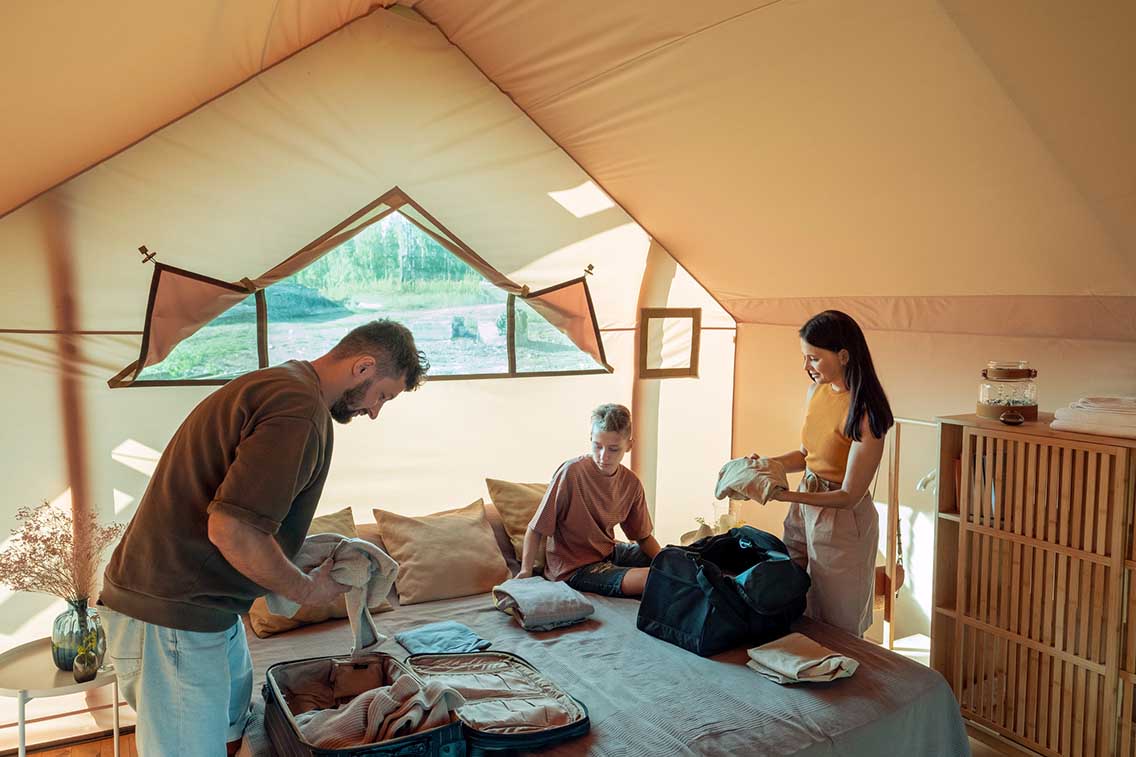
As campsites across Cyprus are closed for upgrades, glamping is quietly growing. This blend of “glamorous” and “camping” allows visitors to enjoy nature without sacrificing comfort.
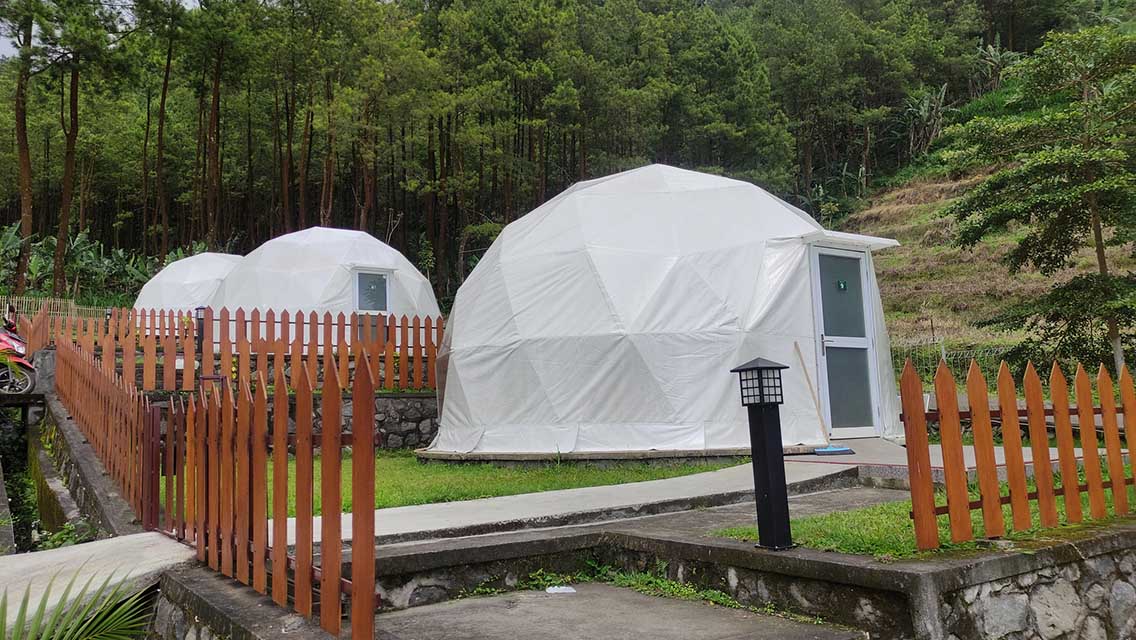
Unlike traditional camping, glamping provides ready-made accommodations like yurts, domes and furnished tents with beds, electricity and private facilities. It appeals to those wanting a mix of nature and comfort, bridging camping and boutique stays.
However, glamping’s future in Cyprus is uncertain. Despite rising interest in nature-based tourism, operators face challenges due to the lack of a legal framework for projects in rural areas.
The deputy tourism ministry has submitted legislation for regulating glamping to the House of Representatives twice, but it remains unapproved.
“Any future policy or regulatory framework relating to glamping developments must take into account a range of planning, environmental and sustainability considerations, including the potential impacts that such developments may have on environmentally sensitive areas, protected landscapes and local infrastructure,” ministry spokesman Marios Chanakas said.
He added that there was currently no further information available regarding possible developments in the sector.
Cyprus lacks a specific licensing category for glamping, resulting in no official register of glamping businesses. Nevertheless, several operators have emerged across various regions.
These include Amazing Cyprus Glamping Domes in Paphos, Cyprus Glamping Park and For Rest Glamping in Larnaca, Agros Glamping in Limassol, Back To Nature Glamping in Arakapas, Glamping Pod in Polis, Dome in Nature in Vavatsinia, ECO GLAMPING PALIOMYLOS in Troodos, River Glamping in Kalopanayiotis, Yurts in Cyprus in Simou, Nirvana Yurts Glamping, and The Spot Glamping Studios in Paralimni, among others listed on booking platforms.
This list is not exhaustive but indicates a growing presence on the island. Some projects focus on luxury domes and private retreats, while others offer eco-friendly alternatives for a simpler nature experience.
Between camping and tourism
Some operators view glamping as more than just an expensive camping option. Pawel, founder of Yurts in Cyprus, has designed his project to promote an off-grid lifestyle that encourages slowing down and reconnecting with nature.
Since 2013, the retreat has attracted visitors seeking a peaceful alternative to conventional tourism. He believes glamping and camping offer different experiences for different audiences.
This raises a broader question about glamping in Cyprus: should it be regarded primarily as a tourism product or as a means for responsible access to nature?
The discussion comes at a time when traditional camping opportunities are becoming more limited.
The closure of the Polis Chrysochous campsite and the suspension of Platania campsite for upgrading works and uncertainty surrounding the campsite near Troodos square have left many campers questioning whether Cyprus currently has enough organised facilities.
Camping has been an affordable way for residents to enjoy the island’s forests and coastline. For many families, spending a few days in a tent under pine trees or by the sea is a summer tradition.
Some campers worry that fewer organised sites could lead to unmanaged areas.
The forestry department has clarified that camping restrictions are in place to protect forests and ensure safety, not to limit access to nature. Uncontrolled camping can damage habitats, cause litter, erode soil, harm vegetation and increase wildfire risks.
Wildfire prevention is crucial, especially in Cyprus’ hot climate. Officials aim to protect biodiversity, reduce pollution, minimise wildlife disturbance, and ensure effective emergency responses.
The public is reminded that the Platanias camping area is no longer recognised as a camping site. Tents, caravans, huts or other structures in state forests need permission from the director of the forestry department.
The forestry department prioritises improving current facilities over expanding access without environmental assessments.
Any new camping proposals must consider ecological sensitivity, planning requirements, carrying capacity and long-term sustainability.
Private operators claim that nature-based accommodation could benefit rural communities if clearer regulations are established.
The deputy tourism ministry confirmed that Cyprus’ three recognised private camping sites: the now closed Polis, Feggari in Peyia, and Aphrodite Family EcoCamping in Neo Chorio are operating without full licences but within the current framework.
Different visions of nature tourism
Not everyone believes the future of outdoor tourism should move towards greater comfort and luxury.
Aphrodite Family Eco Camping has said its approach focuses on maintaining a personal connection between visitors and nature rather than following traditional tourism models.
The debate reflects a wider question facing Cyprus: should nature tourism focus on commercial experiences designed for comfort, or should it protect simpler and lower-impact ways of enjoying the outdoors?
Cyprus’ natural appeal
The island’s landscapes have long drawn outdoor enthusiasts. The Troodos mountains feature cooler temperatures, forests, hiking trails and rural villages, while coastal areas like Polis Chrysochous offer beaches and access to the Akamas region.
Traditional camping sites historically provided affordable ways to enjoy these landscapes. New glamping projects aim to blend nature with appealing accommodation for those who prefer not to camp conventionally. Guest reviews indicate that many appreciate this mix of comfort and nature.
One guest called it “a perfect place to relax and enjoy nature”, praising the “peaceful, green surroundings”, swimming pool, outdoor cinema and friendly staff. Another described the domes as “gorgeous, clean, private”, highlighting the stunning area and amenities like the open-air cinema and fresh breakfast.
Families also find glamping attractive. A returning guest noted significant improvements, calling it “incredibly family-friendly” with new entertainment options and great food.
Another visitor mentioned the “huge, lush green territory with stunning views”, along with a swimming pool, bonfire area, and clear night skies for an “unforgettable” stay.
At a coastal glamping site, visitors praised the “great location, friendly host, amazing facilities, and clean, cozy” accommodation, with one feeling “immediately at home” due to the well-equipped studio and proximity to the sea.
However, some reviews highlight challenges in the sector. Guests reported poor access roads, maintenance issues and inconsistent facilities. One visitor described the road as “extremely bad and very challenging”, while another noted that “the booking photos are outdated” and facilities appeared “a little worn out”.
Additional comments mentioned unreliable hot water, dust, uncomfortable beds and mosquitoes, revealing a gap between expectations and reality at some sites.
Some accommodations, like dome retreats and yurts, focus on privacy and sustainability, while others provide a more structured experience similar to small tourism units.
Across the island, operators are increasingly marketing glamping as part of a broader nature tourism experience rather than just a camping alternative.
What comes next?
As Cyprus improves campsites and plans for outdoor tourism, authorities must balance protecting fragile landscapes with public enjoyment.
Supporters of glamping believe clearer regulations could aid responsible businesses and attract more visitors to rural areas.
Environmental authorities prioritise ensuring that development does not harm the ecosystems that draw visitors.
Currently, glamping’s future remains uncertain.
It is no longer traditional camping, but it has not yet been fully recognised as a tourism category of its own.
As legal camping spaces become harder to find and interest in nature-based experiences continues to grow, the question facing Cyprus is not whether people want to spend time outdoors, but how that access can be managed responsibly.




Click here to change your cookie preferences