
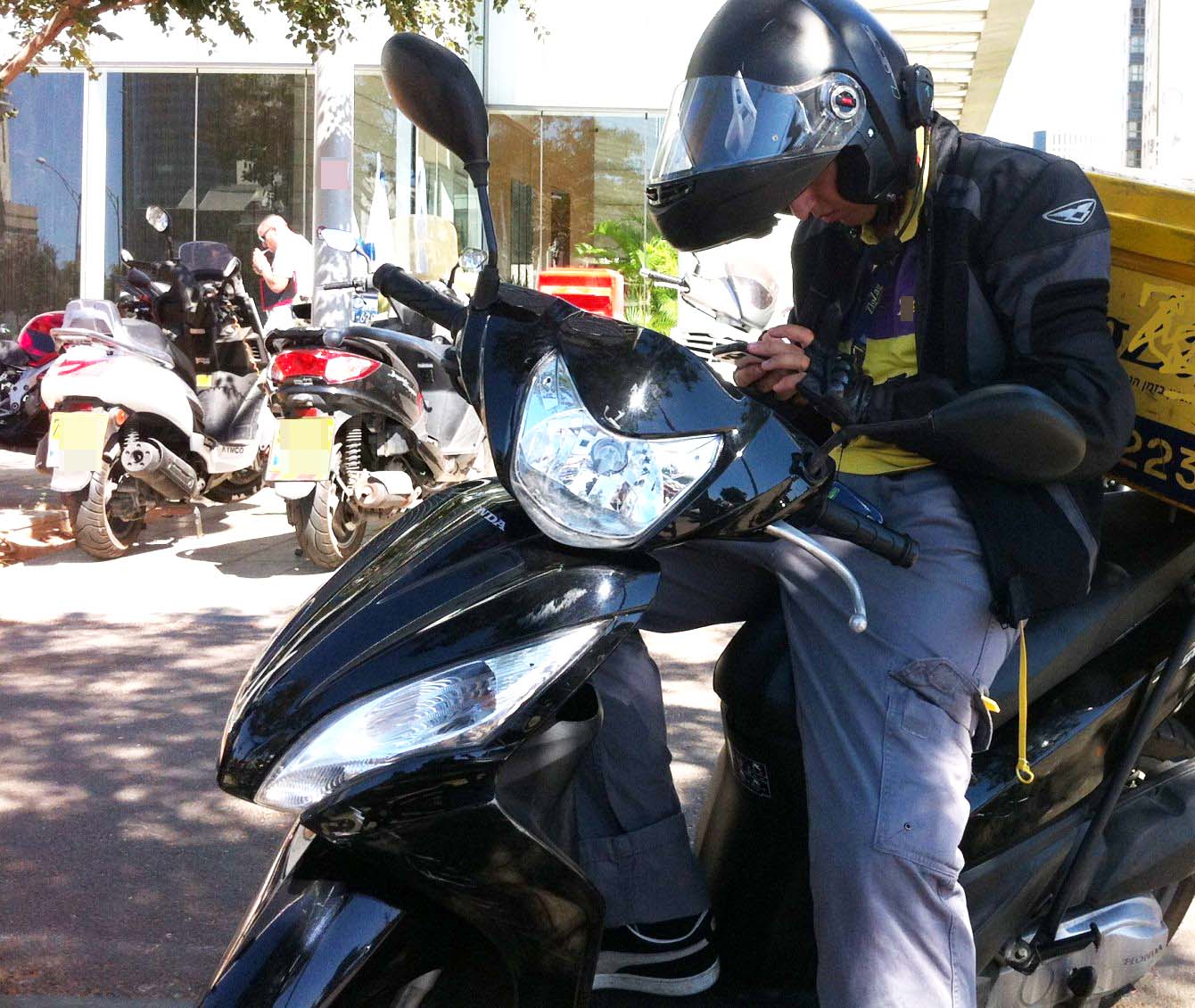
Consumers ordering food to be delivered to their door are at risk of poisoning due to poor cool box sanitation and Cyprus’ high temperatures encouraging pathogens, with proper packing during preparation having most likely prevented any serious issues so far.
The Consumer Association approached delivery drivers to inspect motorcycle cooler containers. Association president Marios Drousiotis said on Wednesday that only two drivers agreed to open their boxes for inspection.
Although not all boxes can be considered to pose a health risk, Cyprus’ summer temperatures and the failure to sanitise the containers after each use can lead to increased dangers.
Employers’ union OEV deputy director Lena Panayiotou told the CyBC that “the necessary checks are being carried out regarding the procedures for transporting and delivery ready-made food”.
Such measures, she said, were training delivery drivers and replacing their delivery equipment every six months.
However, following the recent food poisoning incident at a Limassol wedding, “taking additional measures is being examined”, Panayiotou said.
The state health services, under the health ministry, has also sounded the alarm after the Limassol incident, which saw 70 people reporting Salmonella symptoms and 21 requiring hospital treatment.
Politis said the services have been receiving more and more complaints over the past months regarding dirty and damaged cool bags, which constitute a critical hygiene gap from the time the food leaves the kitchen until it reaches the consumer.
Consumers complained that cool boxes contained spilled food from previous deliveries, some boxes were torn or did not seal properly, and some contained personal items belonging to the drivers. Others said they had seen motorcycles left outside during closing hours, exposed to weather, insects and rodents.
The health services have sent letters to OEV and Keve concerning food deliveries through online order platforms, including those carried out by car.
The delivery drivers, they said, were not employed by the platforms, but were self-employed associates, mostly foreigners on temporary resident permits, making control very difficult.
The health services said they were authorised to conduct inspections and follow up on complaints, but could not be outside restaurants checking delivery boxes. Therefore, they said, they had called on restaurants and delivery platforms to help out by checking the boxes and making sure the drivers meet personal hygiene standards.
In serious cases, the health services advise the restaurants to refuse to hand over the food and request another driver.
Politis contacted platforms to get their take on the issue. Wolt replied, saying hygiene was a priority and that it regularly checked food delivery equipment. Following the health services’ letter, Wolt said it would be upping its game.
Drousiotis told CyBC’s Trito programme that there should be a specific protocol for delivery companies as high temperatures encourage pathogens in food.
He added that the health services should take samples for testing and make their findings public.
Drousiotis also spoke to philenews, saying that the bags inspected by the Consumers’ Association were tested and three pathogens were found. The laboratory that carried out the testing told the association that those pathogens could easily cause food poisoning.
He added that the fact that there have not been increased incidences of food poisoning was most likely due to the fact the foods are well packed during preparation.
However, delivery drivers, he said, should clean and sanitise their cool boxes anyway.




Click here to change your cookie preferences