
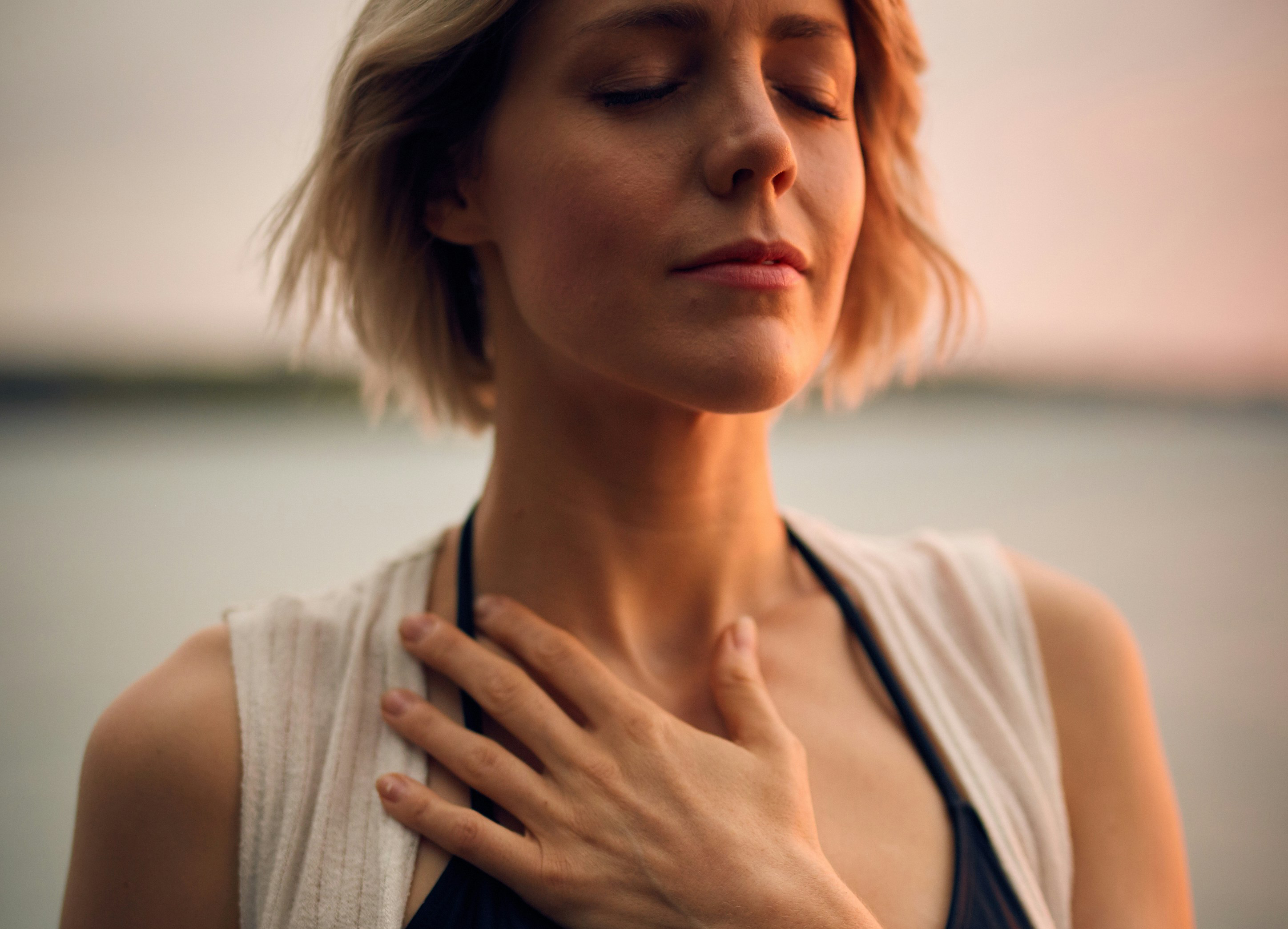
The differences between sympathetic and parasympathetic breathing
By Vasilios Silivistris
Breathing is one of the most ordinary actions we perform, yet it has a remarkable influence on our physical and emotional state. Every breath carries information to the body about whether we are safe, threatened, calm or under pressure. This happens through two branches of the autonomic nervous system: the sympathetic and the parasympathetic systems. Although they work in opposite ways, both are essential for healthy functioning. Understanding how they operate helps us appreciate why certain breathing techniques can reduce stress, improve mood and support long-term wellbeing.
The sympathetic nervous system is often described as the fight or flight system. It prepares the body to respond quickly when danger is present. When this system is activated, breathing becomes faster and shallower. The heart rate rises, muscles tighten and the body shifts into a state of readiness. This response is vital when we face a genuine threat, but modern life often triggers it through constant pressure, worry or emotional strain. Many people live with sympathetic activation far more often than their bodies were designed to tolerate.
The parasympathetic nervous system works in the opposite direction. It is known as the rest and digest system. When active, it slows the heart rate, supports digestion and encourages relaxation. Breathing becomes slower and deeper. This system helps the body recover after stress and restores a sense of balance. It is involved in everyday functions such as salivation, tear production, sexual arousal and healthy digestion. It also plays a role in immune function and emotional stability. When the parasympathetic system is engaged, the body feels safe enough to repair, restore and settle.
One of the most effective ways to activate the parasympathetic system is through controlled breathing. Slow, steady breathing sends signals through the vagus nerve, which helps the body shift out of the sympathetic state. This is why deep breathing is recommended during moments of anxiety, frustration, or emotional overwhelm. It is a simple technique that can be used anywhere, without equipment and without drawing attention. Even a few minutes of calm breathing can lower blood pressure, reduce muscle tension and quiet racing thoughts.
Therapists often teach clients how to use parasympathetic breathing to manage stress and improve emotional regulation. It is a core skill in trauma therapy, mindfulness practice and many forms of psychological support. Activities such as meditation, yoga, tai chi and progressive relaxation all rely on this principle. They encourage slow movement, steady breathing and focused attention, which together guide the body back into a calmer state. Spending time in nature, playing with pets, or concentrating on a calming word can also support the parasympathetic response.
There are small physical actions that can help as well. Gently touching the lips with two fingers can stimulate parasympathetic fibres, because the lips contain a high concentration of nerve endings linked to the rest and digest system. Visualising a peaceful place or concentrating on one task at a time can also guide the mind away from stress and back into calm. These techniques work by interrupting the cycle of sympathetic activation and reminding the body that it is safe.
The balance between sympathetic and parasympathetic activity is essential for wellbeing. We need both systems. The sympathetic system protects us and keeps us alert when necessary. The parasympathetic system restores us and allows the body to heal. Problems arise when one system dominates for too long. Chronic sympathetic activation can lead to exhaustion, digestive problems, sleep disturbance and emotional instability. On the other hand, a lack of sympathetic response can leave a person feeling flat, unmotivated or unable to respond effectively to challenges.
Breathing is the bridge between these two systems. It is one of the few bodily functions that is both automatic and under conscious control. This gives us a unique opportunity to influence our internal state. By paying attention to how we breathe, we can guide the body towards balance. Slow breathing encourages calm. Rapid breathing signals urgency. The body listens to these cues and responds accordingly.
In a world where many people feel overwhelmed by constant demands, the idea that calm can be found through something as simple as breathing may seem too easy. Yet the evidence is clear. Controlled breathing improves emotional resilience, supports physical health and strengthens the connection between mind and body. It is a skill that requires no special training, no equipment and no cost. It is available to everyone.
If more people understood the power of their own breath, they might discover that calm is not distant or complicated. It is already within reach, one steady breath at a time.
Dr Vasilios Silivistris (Vasos) is a psychotherapist, counselling practitioner psychotherapycounselling.uk





Click here to change your cookie preferences