
Columbia Group chief executive Andreas Hadjipetrou has set out a strategy of measured expansion, tighter internal cooperation and greater seafarer support, three months after taking charge of one of the world’s largest ship-management groups.
Hadjipetrou said this week that Columbia would continue expanding its core ship-management business and wider services, but insisted that growth must be “measured, profitable and meaningful”. His comments, published by Ship Management International, offer the clearest indication yet of his plans since replacing Mark O’Neil in April.
His promotion was accompanied by the appointment of Demetris Chrysostomou as deputy chief executive, while Chrysostomou retained responsibility for Columbia’s operations in Asia. The company said the appointments would strengthen its leadership and support its growing presence in the region.
The management changes followed O’Neil’s departure after nine years at the Heinrich Schoeller-controlled group. At the time, O’Neil said the transformation he had been brought in to oversee had been completed and that he was leaving Columbia in safe hands and in good shape, according to Seatrade Maritime.
Hadjipetrou now takes responsibility for a business providing crewing and technical services to around 585 vessels. Columbia’s own figures show that the group has more than 20,000 employees at sea and ashore, together with over 25 management and representative offices, crewing agencies and training centres worldwide.
The emphasis on growth is therefore backed by a series of concrete expansion moves. In January, TradeWinds reported that Columbia was planning a new operational centre in India with as many as 220 employees, intended to complement its existing base in the Philippines.
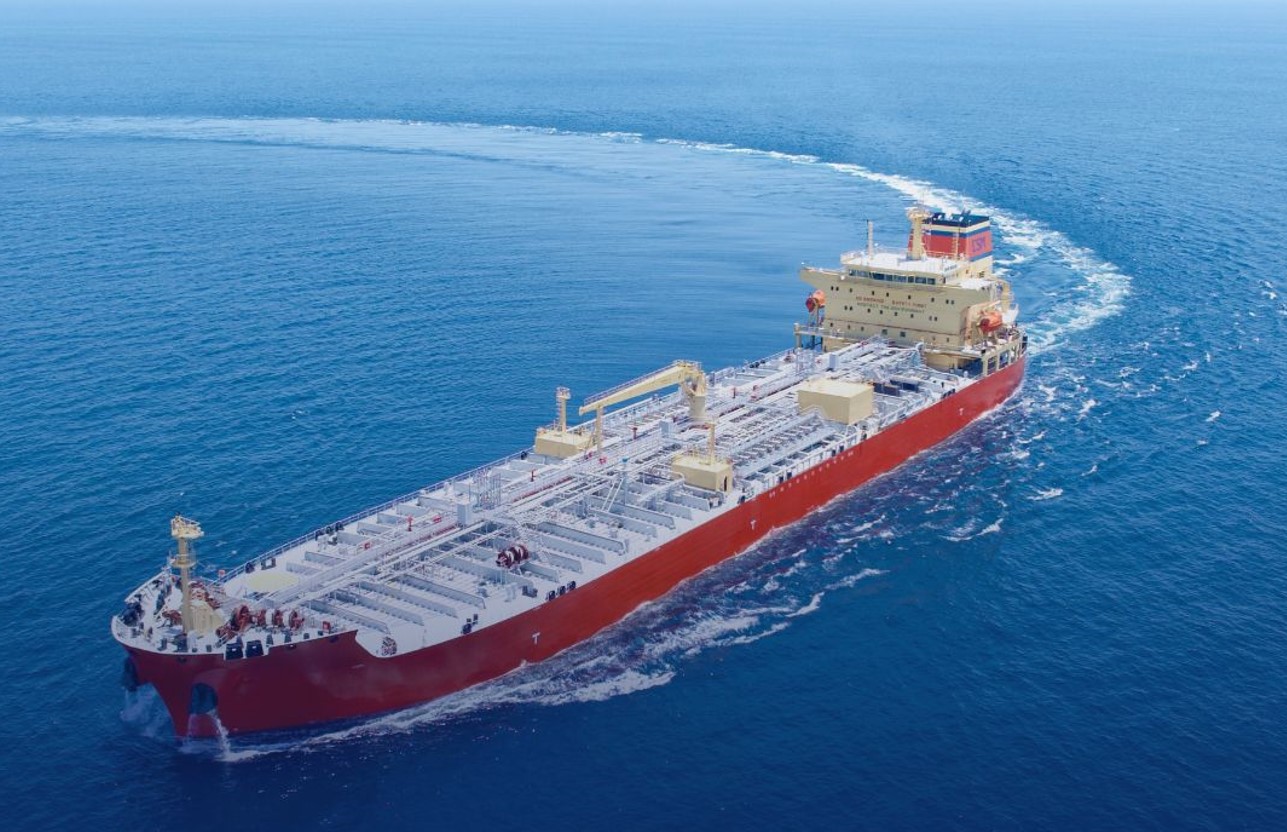
The company subsequently expanded its office in Istanbul, while its Singapore operation was appointed in May to provide technical management for three Aframax tankers under construction for Zhejiang Seaport Financial Leasing. Once delivered, Columbia will oversee their crewing, technical operations, regulatory compliance and performance, according to details of the agreement.
Columbia has also been widening its technology operations, appointing Christina Orfanidou as its first head of artificial intelligence in February. Her remit includes developing internal AI tools, modernising crewing systems and using automation to reduce repetitive administrative work.
Hadjipetrou said his immediate priority was to improve cooperation and information-sharing across Columbia’s companies, offices and departments. While “shipping is changing quickly”, with decarbonisation, technology, regulation and market uncertainty reshaping owners’ requirements, he said the group’s response must remain focused on reliable service, transparency and strong governance.
However, he also placed seafarers at the centre of the strategy, arguing that Columbia must continue improving their working conditions, safety, wellbeing, training and communication. Clients, meanwhile, require a partner that understands their needs and communicates clearly, rather than simply providing routine vessel-management services.
Hadjipetrou said Columbia had been built on “trust, strong values and long-term relationships”, adding that his task was to protect those foundations while moving the company forward. Although technology and decarbonisation would continue to influence investment, he said the focus must remain on quality, accountability, trusted partnerships and long-term performance, noting that strong companies depend on people who feel supported and proud of their contribution.
Hadjipetrou joined Columbia as an accountant in 1996 and has spent nearly 30 years with the group, holding senior roles across finance, commercial management, technical operations, client relations and international expansion.




Click here to change your cookie preferences