
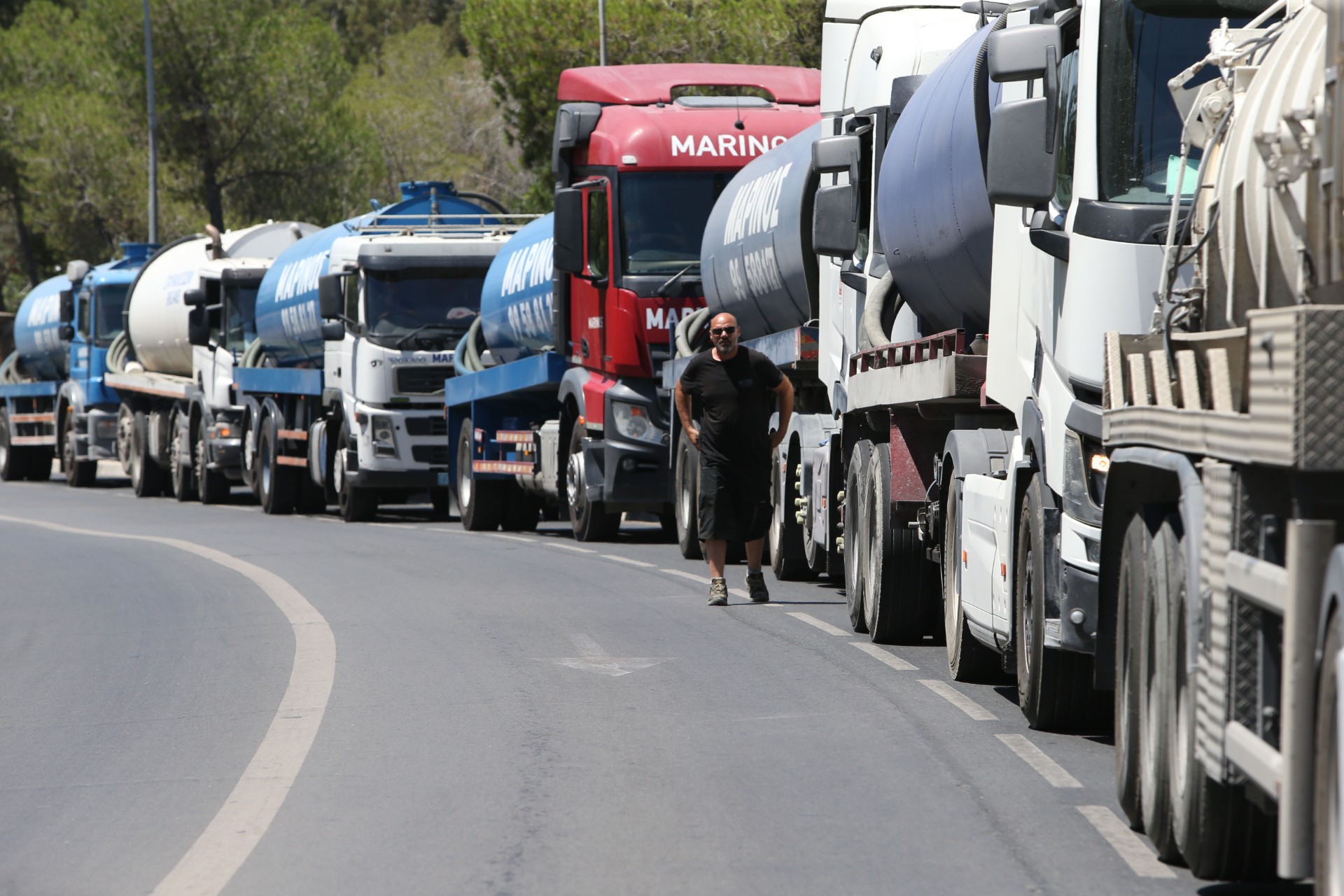
Cesspit sewage currently being sent to the overburdened water recycling treatment plant in Moni could be handled by the plant in Vati as early as September, with the ongoing upgrade at Vati expected to be wrapped up before the end of the year.
Next week the Water Development Department will meet the Vati contractor – whose five-year agreement provides for the current works – with a view to relieving the struggling Moni plant, run by the Limassol district self-government organisation (EOA).
In addition to dealing with the extra cesspit cleaning trucks from Vati offloading into a nearby manhole, it is suspected that industrial waste is also being dumped in one of the around 20,000 such manholes in the district, thus affecting the quality of recycled water produced by Moni.
Water Development Department (WDD) deputy first officer Michalis Michail told the Cyprus Mail that “we are in constant contact and cooperation with the Limassol EOA to solve some problems,” Michail said.
Plant upgrade
The plant at Vati, he added, is operated by the WDD and “since February this year there is a contractor working there to upgrade and operate the plant.”
“For this upgrading to take place, the plant must operate at a lower capacity. It won’t stop altogether,” he said.
Michail explained that the works included improvements, new equipment and maintenance.
“We came to an agreement with the EOA – this agreement started being implemented in March 2026 – for it to receive some quantities of cesspit sewage through a specific manhole on the network just before the Moni plant.”
The quantities being deposited there are a maximum of “150 cubic metres per day, compared to the 30,000 cubic metres the plant at Moni manages”.
“This agreement was reached so that the contractor can carry out the upgrade works and continue the operation of the plant without needing to send cesspit sewage to the EOA,” Michail said.
“The plant had not broken down. It was an upgrading and operation contract.”
Even so, the Vati plant had not been working at full capacity since 2025 under its previous contractor, who eventually “abandoned the plant” before the WDD took over.
“We had needed the EOA and a similar type of collaboration had taken place, with the transport of cesspit sewage to Moni,” he said.
The Water Development Department had operated the plant at Vati until it brought in a new contractor for a five-year period.
Problems, such as the quality of the processed water, are being addressed in “a spirit of cooperation” with the Limassol EOA.
Illegal dumping
Michail clarified that these quality problems were not necessarily caused by the cesspit sewage being taken to Moni.
The Limassol EOA and the WDD both requested data from the truck GPS systems, as “there are suspicions or complaints that illegal dumping is taking place through manholes, possibly even of industrial waste, which could cause a problem to the Moni plant.”
“It is not easy to prove this. The EOA sewerage network might have up to 20,000 manholes and a truck could dump its load into one of them unnoticed,” Michail said.
Data has also been requested from the Environment Department, which has “information on the GPS systems the trucks are obliged to have installed”.
Michail said Vati has a maximum capacity of 800 cubic metres per day, however it now manages up to 300 cubic metres per day, meaning that 150 cubic metres are being treated by the contractor with the rest being sent to Moni.
“We expect that works at Vati will be wrapped up before the end of the year […] Next week, we will be having a meeting with the contractor to see if we can handle the quantities that are now being sent to the EOA facilities before the full upgrading is completed. This should start in September,” Michail added.
Decades of concern
Vati has come under fire over decades for environmental and other concerns.
It started out as a landfill receiving huge amounts of waste and was linked to underground burning, emission of odours, pollution and illegal dumping, including the carcasses of animals from Limassol zoo, which prompted investigations and public outcry.
When the waste management plant in Pentakomo opened, the landfill was gradually closed down and the site continued to operate as a sewage management plant, servicing cesspit cleaning trucks.
In July, the WDD and the Environment Department issued a joint statement, saying that due to upgrading works, the Vati sewage treatment plant was underworking and that arrangements had been made to ensure the continuous processing of cesspit waste from the Limassol district, brought to the plant by professional cesspit cleaners.
What Vati could not process, the statement said, would be sent to Moni, which is already processing sewage from the Limassol sewerage system, while Vathia Gonia was also available pending the examination of alternatives.
The departments said the problem at Vati was temporary and that the plant would be up and running at full capacity by December.
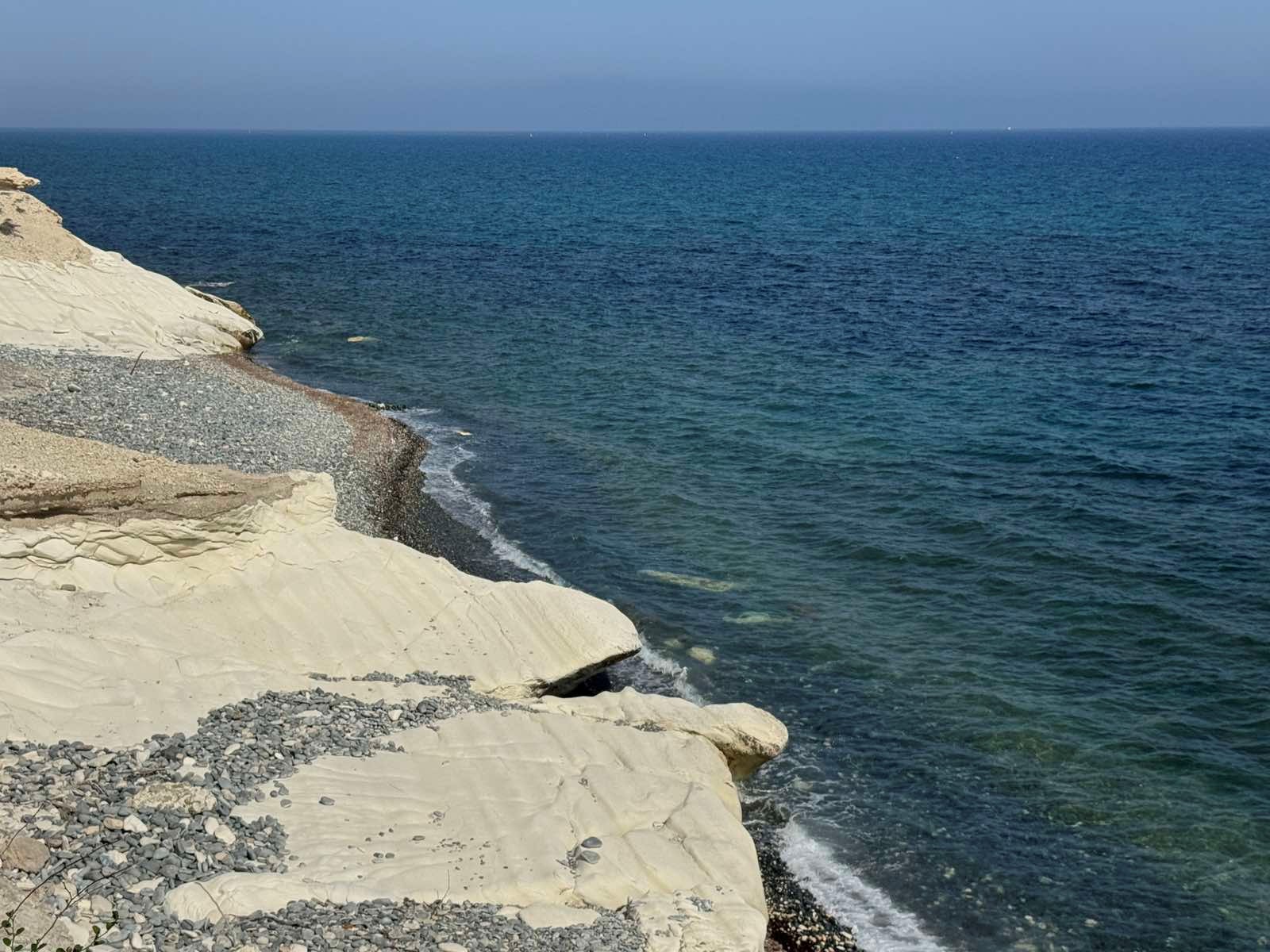
However, Moni is not capable of receiving the additional sewage, which is overflowing into the sea.
This is happening while plans go ahead for a desalination plant in neighbouring Monagroulli, which will be removing the salt from the same water and distributing 60,000 cubic metres of it per day to Limassol households.
Professional cesspit cleaners had long been complaining about failed measures and being sent from one plant to the other to empty their trucks.
EOA chairman Yiannis Tsouloftas clearly said a few weeks ago that Vati was the responsibility of the Water Development Department and that the EOA had done it a favour by receiving some of the sewage quantities from cesspits under strict preconditions, which “were not met”.
Tsouloftas had warned that he could not risk the proper operation of the plant and that if anything happened it would cause “a huge environmental crisis”.
In June, Moni’s community council reported the high concentration of sewage in the sea, which was by then reaching the beach, and in July the councils of Moni and Monagroulli met with the now former agriculture minister to discuss a new desalination plant at Monagroulli and raised the issue of pollution.
Moni community leader Giorgos Evripidou had told the Cyprus Mail that the Monagroulli desalination plant will be “pumping water from the sea and distributing it into homes”. This desalinated water, he said, will be the same water into which the sewage has been flowing for years.
The plant at Moni treats sewage and produces irrigation quality water and is supposed to dump any excess only if there is a technical problem.

Click here to change your cookie preferences