
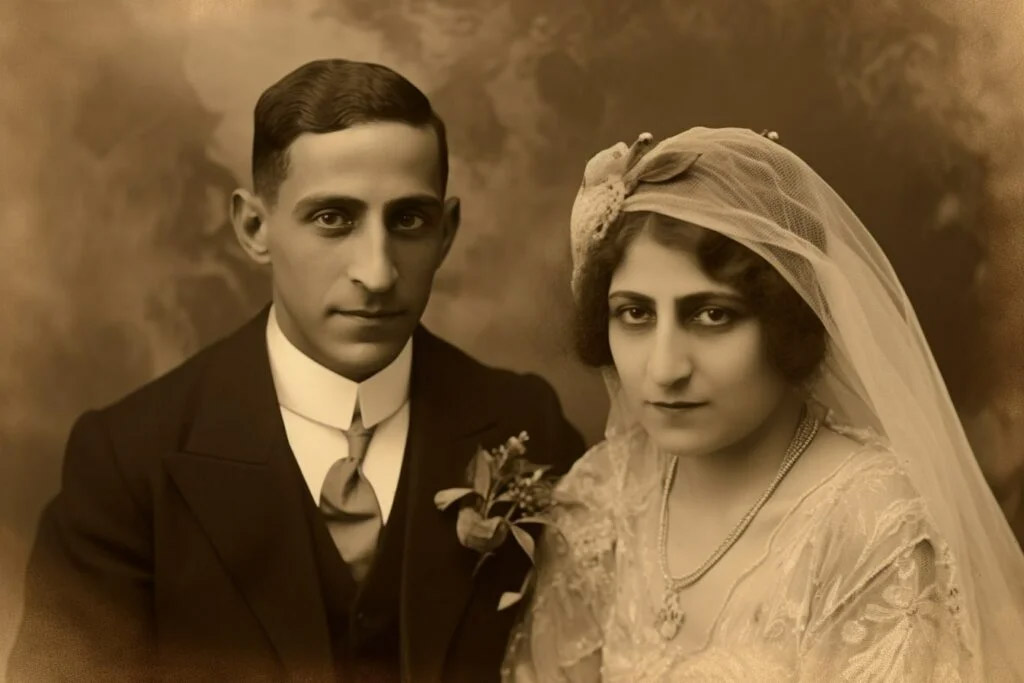
An examination of 393 historical agreements shows how marriage arrangements transferred property, businesses and agricultural assets
During the 20th century in Paphos, marriage dowries included houses, vineyards, livestock, cash, and even shops and petrol stations, research presented this week shows.
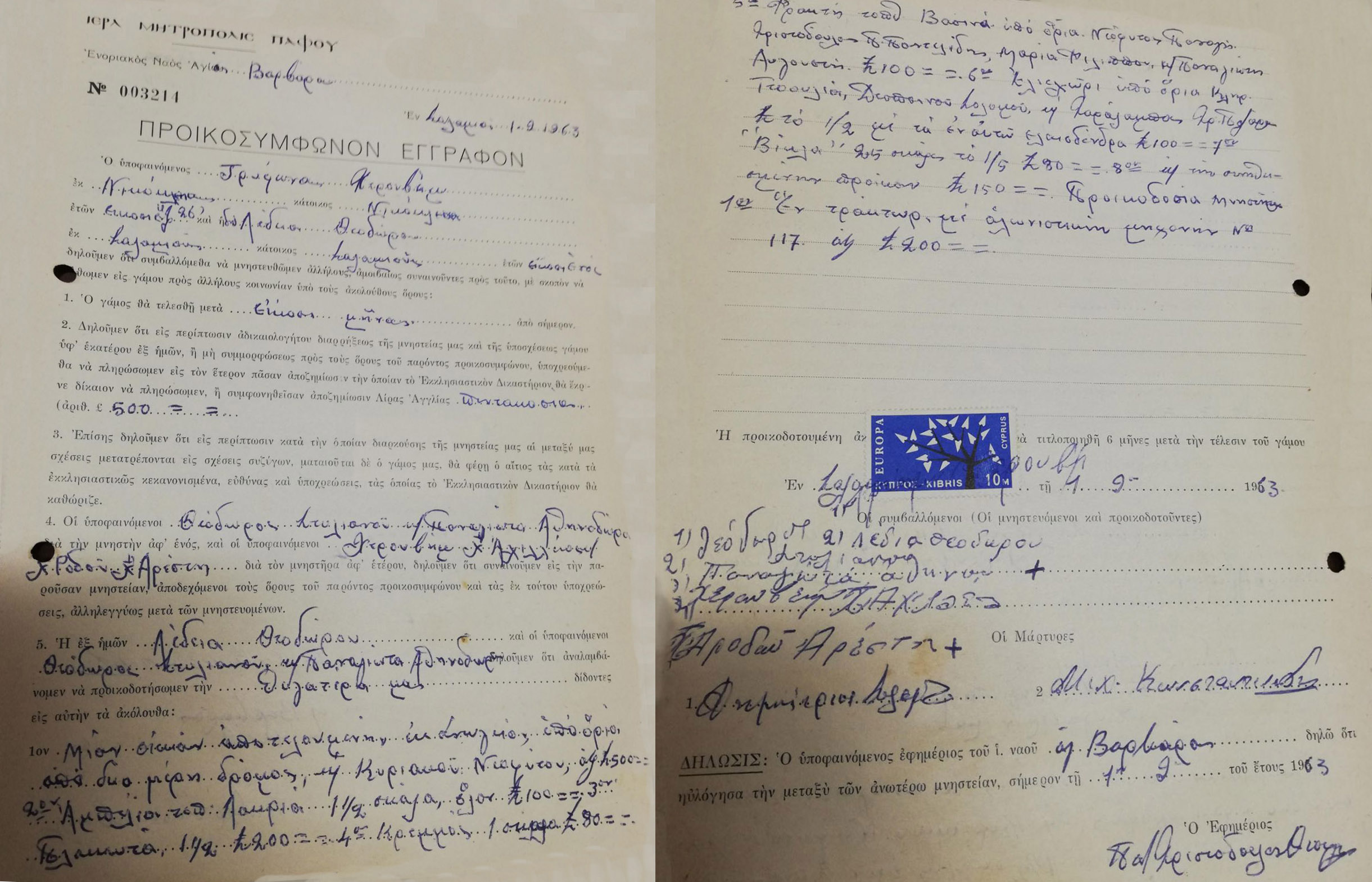
Philologist Dr Efthymia Lemoniatis studied 393 dowry agreements from Paphos, Tsada and Salamiou, primarily drawn up between 1940 and 1970.
Her work illustrates that dowries were not just wedding customs but also mechanisms for property transfer, aiding young couples in establishing homes and bolstering the local economy.
The findings also underscore the heavy financial burden on brides’ families, who were often expected to provide a home alongside land, money, and household items.
Of the 260 agreements examined in Paphos, 231 recorded contributions from the bride’s family, compared with 75 from the groom’s side.
In Tsada, the figures were 38 and nine respectively, while in Salamiou they were 89 and 66.
The difference was particularly striking when it came to housing.
In Paphos, 184 agreements provided for a house from the bride’s family, compared with just 10 from the groom’s.
In Tsada, 31 houses were provided by the bride’s side and none by the groom’s, while in Salamiou the figures were 59 and 21.
In some cases, parents also had to pay for repairs or extensions before the property could be handed over.
One agreement in Ayios Theodoros provided for 800 Cyprus pounds, half of which was intended for repairing and extending the couple’s home.
Land was another major component, particularly in rural communities where agriculture provided a livelihood.
In Salamiou, the agreements recorded 478 land grants to women and 261 to men. These included 195 vineyards for women and 118 for men.
Livestock also featured prominently. Forty of the 91 agreements from Salamiou included animals, with 202 allocated to men and 164 to women.
Sheep, goats and cattle provided food and potential income, while pack animals were essential for agricultural work.
Dowries could also include furniture, clothing, kitchen utensils, looms and Singer sewing machines.
The latter offered women the possibility of earning additional income through sewing.
Some agreements went further, providing businesses and employment.
One father promised to employ his son-in-law in his coffee shop for two years, paying him six shillings a day.
Another particularly substantial agreement included a car, 20 plots of land, a house, a shop, agricultural property, £2,000 in cash and a petrol station.
Other documents recorded shares in the Paphos Ice Factory and the Lara company.
The research analysed agreements from the Cathedral of St Theodore in Paphos, Panayia Chryseleousa in Tsada, and St George and St Barbara in Salamiou, all stored in the archives of the Paphos bishopric.
Church authorities were pivotal in documenting these agreements, outlining family obligations.
However, the documents do not confirm if all promised items were delivered.
Lemoniatis’ study revealed that dowries facilitated housing and livelihoods for couples but imposed significant financial strain on brides’ families.




Click here to change your cookie preferences