
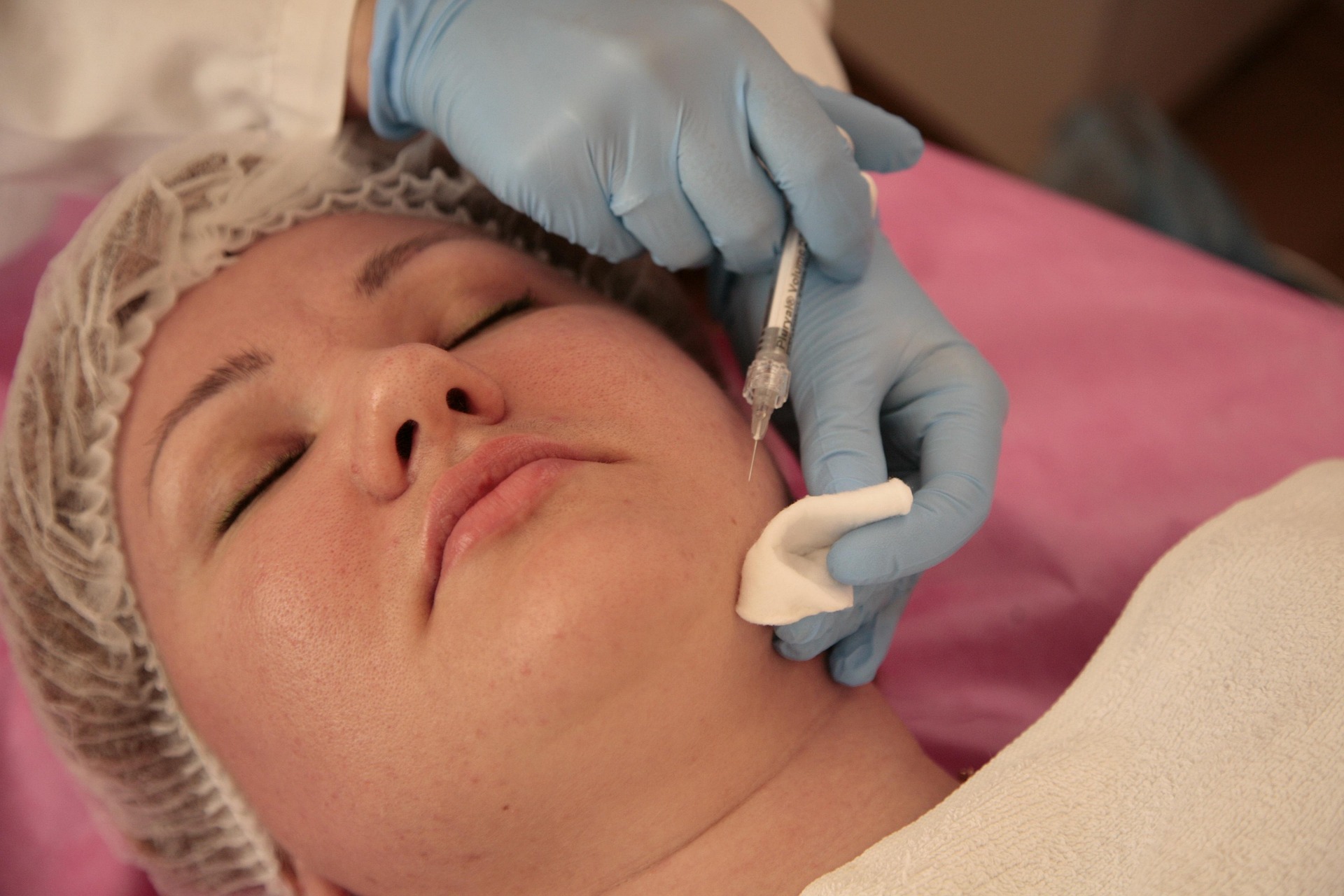
A hospitalisation and two arrests involving unlicensed products have highlighted concerns about cosmetic injections outside regulated medical settings
A young woman was recently admitted to the hospital after suffering an allergic reaction to a hyaluronic acid injection into her lips at a so-called Botox party.
The incident was followed by a public outcry over the type of event at which the woman was allegedly administered the beauty treatment, prompting concerns over the spread of the unofficial use of Botox practice.
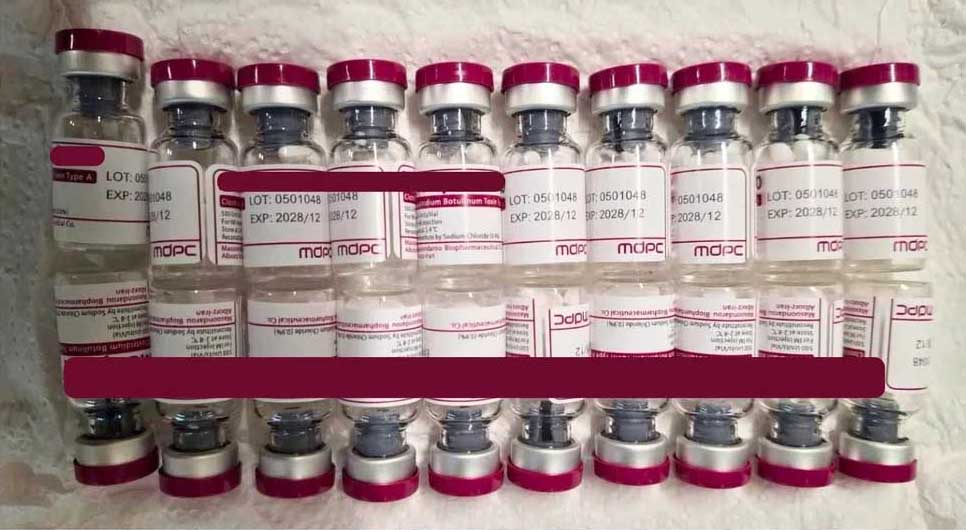
And then there were the two separate arrests for Botox ‘smuggling’. In late October a Greek doctor was arrested at Larnaca airport after customs agents found large quantities of Botox products and anaesthetics of unverified origin in his luggage.
The doctor had been due to visit Cyprus to carry out cosmetic injections at a private hospital, and his arrival had been advertised online in the weeks before his trip, drawing the attention of the pharmaceutical services.
The packaging carried no instructions or labels in Greek or English, raising questions about the products’ origin and whether they met Cyprus’ pharmaceutical standards.
On November 12, a Turkish Cypriot man was arrested after customs officers discovered 399 vials of Botox in his possession at the Ayios Dhometios crossing point, although in that case it appears the man intended to take the products abroad.
What are Botox parties?
Botox parties are typically held in makeshift spaces in people’s private homes. They become the setting for a largely unregulated trend at which attendees receive beauty treatments such as hyaluronic acid or Botox injections.
“Botox injections constitute medical procedures and must be performed by legally authorised and appropriately qualified physicians, in accordance with applicable legislation and professional standards, in properly licensed medical settings,” the Cyprus Medical Association told the Cyprus Mail.
The publication of the recent incident prompted concerns over who is performing the procedure. Suspicions have been raised that injections are given by beauticians or other individuals with no formal medical training and the setting in which these procedures are performed.
“Thepharmaceutical services became aware of a relevant incident following the hospitalisation of a young woman,” said Panos Mytides, a pharmacist at the pharmaceutical services.
Mytides said that the matter is currently under investigation by the police and that further measures would be taken if investigations uncover unauthorised or falsified medicinal products.
“The pharmaceutical services will take the appropriate action in accordance with the provisions of the medicinal products for human use law,” he said.
Responding to concerns over illegal practices more broadly, the pharmaceutical services said that the monitoring of the illegal distribution or use of medicinal products is conducted through investigations based on received complaints and are typically carried out jointly with the police.
“Authorised inspectors of the pharmaceutical services have the power, at any reasonable time, to enter and inspect any premises, other than buildings used as private residences, where medicinal products are manufactured, tested, stored, offered for sale, or sold,” the services said.
Thus, the absence of monitoring becomes clear, given that Botox parties are held primarily in private residences, which are precisely the locations the law designates as beyond the inspectors’ authority.
Medical procedures require sterile environments
“Indeed, I have heard of such parties being organised in Cyprus,” said doctor Diana Vulcanescu, who offers aesthetic treatments in her Nicosia clinic.
Vulcanescu is a general practitioner, specialising in aesthetic medicine and female hormonal health.
She vehemently warns against attending Botox parties, noting that procedures offered in non-professional environments could pose serious risks to the health of attendees.
“I would definitely advise against attending such Botox parties,” she said, “botulinum toxin is a medication, and it should be administered by a trained doctor.”
She explained that in Cyprus, only doctors are legally permitted to administer injectables. This includes botulinum toxin.
“At these Botox parties the injector may not even be a doctor. The medication itself may not be kept at ideal temperature – it needs to be refrigerated – and in case of complications, the patient cannot be attended to.”
All products offered at Vulcanescu’s clinic, including the botulinum toxin, are bought exclusively from official distributors, with prices for Botox treatment ranging between €100 to €500 for sessions lasting 20 to 40 minutes.
Vulcanescu stressed that injectables should always be administered in a clinical setting, highlighting that crucial safety indications such as sterile environment are not possible outside of such an environment.
“Injectables should only be administered at a certified medical clinic,” she said.
Vulcanescu herself does not host Botox parties and firmly distances herself from the practice.
“I absolutely do not offer such parties or group sessions. At my clinic, I approach the treatment planning and protocols individually for every patient.
Misleading labelling of makeshift spaces as ‘aesthetic institutes’
In response to the incident involving the young woman, the union of beauticians filed a statement distancing aesthetic institutes from what it described as misleading reports.
“The association expresses its strong objection to reports that link these so-called ‘Botox parties’ – and the alleged illegal administration of injectables – with ‘aesthetics institutes’ or ‘aesthetics centres’,” the union said.
It objected to what it said was misleading terminology used to describe improvised spaces where medical injectable procedures are performed, and stressed that such procedures did not fall within the professional duties of beauticians.
“The association rejects the unwarranted conflation of the aesthetician profession with alleged illegal medical injectable procedures, as well as the attribution of liability to the sector through unsubstantiated or generalised claims,” the union said.
Increase in the import of unlicensed injectables
Meanwhile the police said that they had not yet received any complaints regarding Botox parties, however they did refer to the arrest of the Greek doctor who had been stopped at Larnaca airport with large quantities of Botox products.
Referring to the incident, director of pharmaceutical services, Elena Panayiotopoulou, said that the doctor in question had been advertising services for cosmetic procedures via social media.
She said that authorities had observed an overall increase in the import of unlicensed injectables for cosmetic procedures in recent years but explained that it was impossible to carry out thorough checks on passengers.
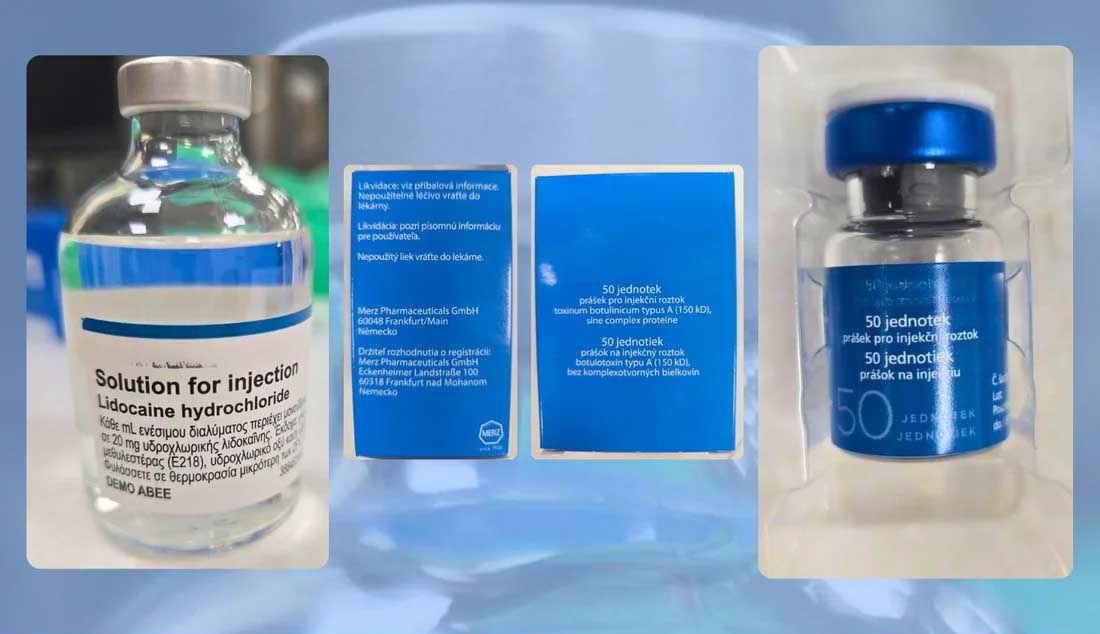
Instead, she said that the pharmaceutical services primary remit is to determine whether the pharmaceutical products they identify are licensed in the Republic and that they may file complaints with the customs department based on relevant information, which then proceeds with baggage checks and potential confiscations
“Pharmacist inspectors are not police officers. And I want to emphasise that,” she said.
But this is precisely where the problem lies. With beauty treatments having increased in recent years and Botox parties seemingly spreading across the island, authorities need more room to intervene.
As small as the procedure may seem, Botox is a medical treatment. It belongs in a sterile clinic, in the hands of a qualified professional, never in someone’s living room.


Click here to change your cookie preferences